In light of the terrible damage and trauma from the Great Tohoku Earthquake in Japan, I found this article by the Asahi Shinbun very touching. As mentioned in this post, high-schools in Japan often have a karuta club of some kind devoted to the Hyakunin Isshu poetry anthology, and the game which involves grabbing the right card (カルタ, karuta in Japanese) as the poem is read aloud.
The game involves three people: 2 people who compete, and 1 reader who reads the poem. The two competitors have to find the right card, containing the last two verses of the poem the reader recites. The reader of course uses a card with teh full poem. As the article explains, it’s important to be able to read a poem clearly, with the right tone and rhythm, or the two players might be distracted. The Hyakunin Isshu iPhone app I bought a while ago has nice, professional recitations of each poem.
Anyhow, quite a nice story to read about young people recovering from the Earthquake, and ancient cultural traditions that still thrive admist modern culture and natural disasters. 🙂
The poet, Ariwara no Narihara Ason (在原業平朝臣, 825 – 990) or “Sir Ariwara no Narihara”, was the closest thing to a poetic genius during his time, and this poem is a prime example. Originally published in the Imperial anthology, the Kokin Wakashū, as poem number 294, it is considered one of the most iconic of the one-hundred Hyakunin Isshu poems.
Narihara is also credited for writing what is considered the greatest Waka poem on cherry blossoms (桜, sakura) ever composed:
Japanese
Romanization
Translation
世の中に
Yo no naka ni
If in all the world
絶えて桜の
Taete sakura no
there were of cherry blossoms
なかりせば
Kanariseba
no trace anywhere
春の心は
Haru no kokoro wa
ah, how truly peaceful then
のどけからまし
Nodokekaramashi
spring would be for everyone!
Translation by Dr Josha Mostow and Dr Royall Tyler from the Ise Stories, the poem is also number 53 in the Kokin Wakashū.
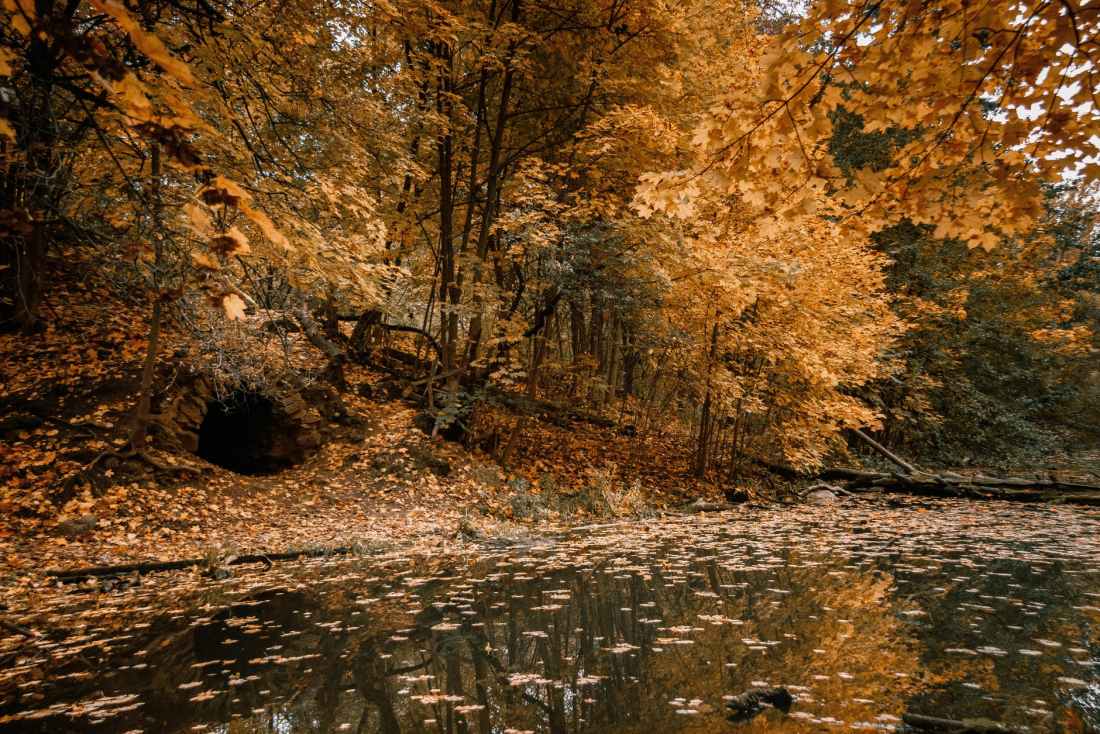
Returning to this poem, there is a lot to unpack. The imagery of red, autumn leaves flowing along the river provides a very memorable contrast. The Tatsuta-gawa River can be found in modern-day Nara Prefecture, and is a scenic, gentle flowing river near the town of Ikaruka. I’d love to see it someday. I cover more about the Tatsuta-gawa River and iconic Mt Mimuro in poem 69, but several poems in the Kokin Wakashū anthology also refer to fall leaves floating on it.
Lastly, the opening line of this poem, chihayaburu, is a prime example of “pillow words” in Japanese poetry. It literally means something like “a thousand swift swords”, but really is an honorific epithet when referring to the gods, similar to how Homer used to use special epithets for each of the Olympian gods. Nevertheless, it’s a famous line, and can be found in Waka poetry written even in modern times, and is also the title of the popular manga exploring the Hyakunin Isshu card game.
If there is one poem worth learning in all the Hyakunin Isshu, I would argue, it is this one.


 The Hyakunin Isshu