A Sad Autumn Moon: Poem Number 23

The Hyakunin Isshu is full of poems about Autumn as we’ve seen so far, and this is another example:

JapaneseRomanizationTranslation
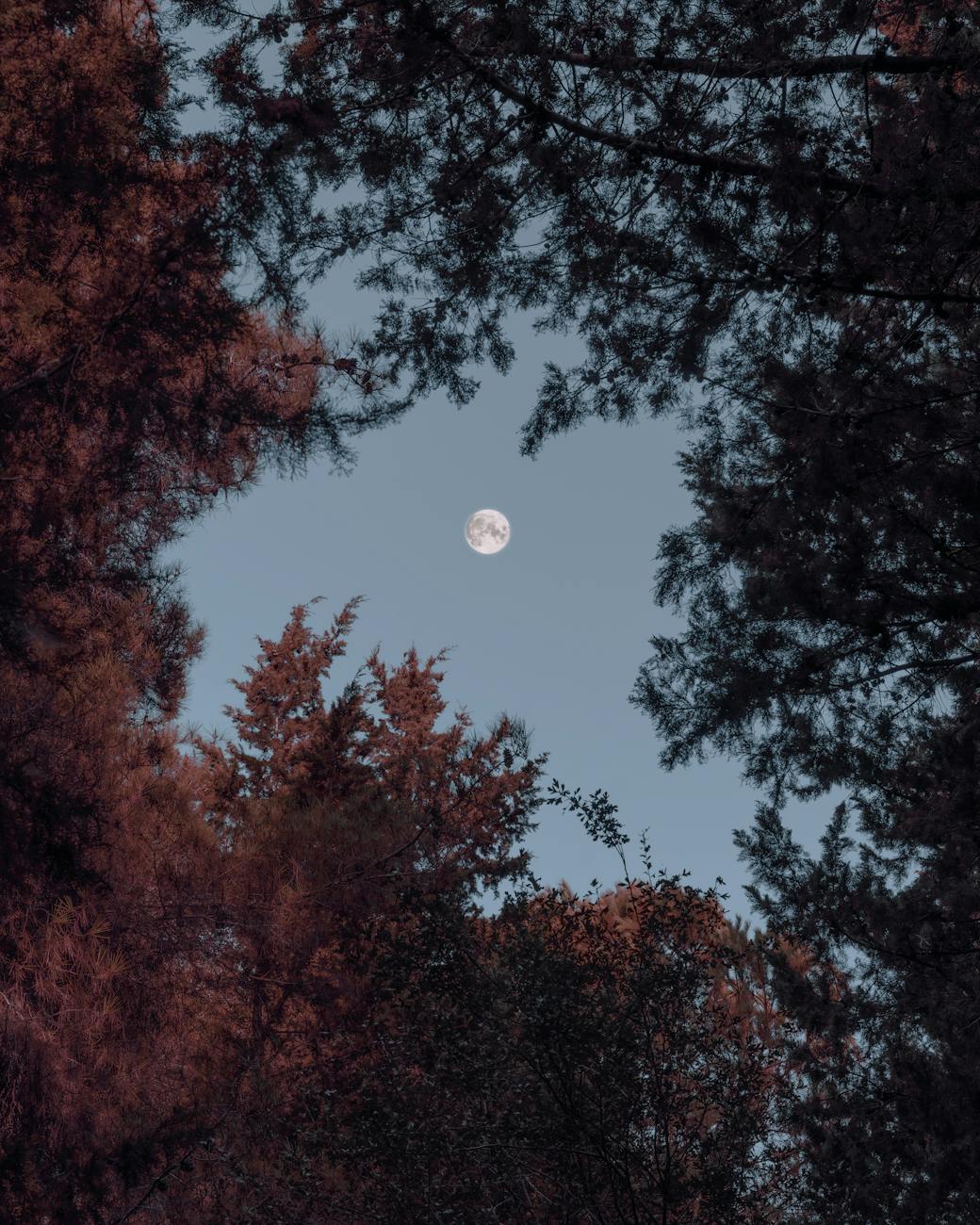
月見ればTsuki mirebaWhen I look at the moon
千々に物こそChiji ni mono kosoI am overcome by the sadness
悲しけれKanashi kereof a thousand,
thousand things—
わが身ひとつのWaga mi hitotsu noeven though it is not Fall
秋にはあらねどAki ni wa aranedofor me alone.
Translation by Dr Joshua Mostow

The author, Ōe no Chisato (大江の千里, dates unknown), is the nephew of Yukihira (poem 16) and Narihira (poem 17) and boasted a famous collection of his own called the Kudai Waka. Ōe no Chisato was also the son of a famous Chinese-studies scholar, who taught Confucianism and composed Chinese-style poetry (not Japanese-style waka poetry like above). Ōe no Chisato was thus part of the Imperial Court culture of the time, but not necessarily high-ranking. More of a middling family.

Similar to poem 22, this poem has influence from Chinese Six Dynasties style, but as Mostow explains, the poem reflects a change where Chinese poetic style is adapted into more native Japanese style. Mostow explains that the poem may allude to a famous poetic line by Bo Juyi.

As mentioned before, the moon plays a really important role in the Hyakunin Isshu, and poetry in general. But also, it’s a source of festivities too. In Japan, the 15th lunar day of the 8th month (harvest moon in the West), marks a fun time called o-tsukimi or “moon-viewing”. More on that in the other blog.

As for the poem, it kind of expresses a quiet humility too, I think, which is why I always find it one of the most memorable. The Moon inspires a lot of deep feelings, but this poem reminds us that it does not shine just for us.

Speaking of the moon, Ōe no Chisato is also famous for another moon poem, which is in the imperial anthology Shin-Kokin-Wakashu and considered one of the finest in the entire collection:

JapaneseRomanizationRough Translation1
照りもせずTeri mo sezuNeither the shining moon,
曇りもはてぬKumori mo hatenunor the cloudy night
春の夜のHaru no yo nocan win against
朧月夜にOborozukuyo nia hazy moonlit
しくものぞなきShiku mono zo nakinight in Spring.
1 Amateur translation

This poem in turn was used in the iconic Tales of Genji by Lady Murasaki (poem 57 in the Hyakunin Isshu, め).

So, we can see that Ōe no Chisato was no stranger to poetry, especially Chinese-style poetry, and was capable of describing the moon in many contexts.

Happy Moon Viewing everyone!

A Good Harvest: Poem Number 1

This is another iconic poem about Autumn and also happens to be the first poem in the Hyakunin Isshu:

JapaneseRomanizationTranslation
秋の田のAki no ta noIn the autumn fields
かりのいKario no io nothe hut, the temporary hut,
とまのあらみToma no aramiits thatch is rough
わが衣出はWaga koromo de waand so the sleeves of my robe
つゆにふりつつTsuyu ni furitsutsuare dampened night
by night with dew.
Translation by Dr Joshua Mostow

This, the opening poem of the Hyakunin Isshu, was composed by Tenji Tennō (天智天皇, 626 – 671), known in English as Emperor Tenji. Emperor Tenji helped oversee Taika Reforms as Crown Prince from the new capitol in Otsu, home of Omi Shrine, and was responsible for promulgating important historical texts in early Japanese history such as the Nihon Shoki and Kojiki. Further, he was a pretty ambitious guy and needed to strengthen his family lineage, so he compelled his younger brother to marry his own daughter, after marrying his younger brother’s former wife, Princess Nukata.

Complicated.

This poem is unique in the anthology because it deals with subjects that related to peasant life, rather than life in the Court, and later commentators explain that this was because of Emperor Tenji’s image as a benevolent ruler. It’s also possibly because of this image, that Fujiwara Teika chose this as the first poem.

In any case, the poem gives a window into the life of the peasants in Japan during this era. Like elsewhere in the world, the harvest was a very important time of the year, and in each village, someone had to guard the grain overnight from theft or from animals. They would often stay in small thatched huts, and stay awake overnight. As night fell, the temperatures would get cold and their sleeves wet with dew, while the smell of dried grains permeated the air.

Outside the aristocratic court, this was the life that many led to feed their family and it was this labor that Emperor Tenji sought to praise.

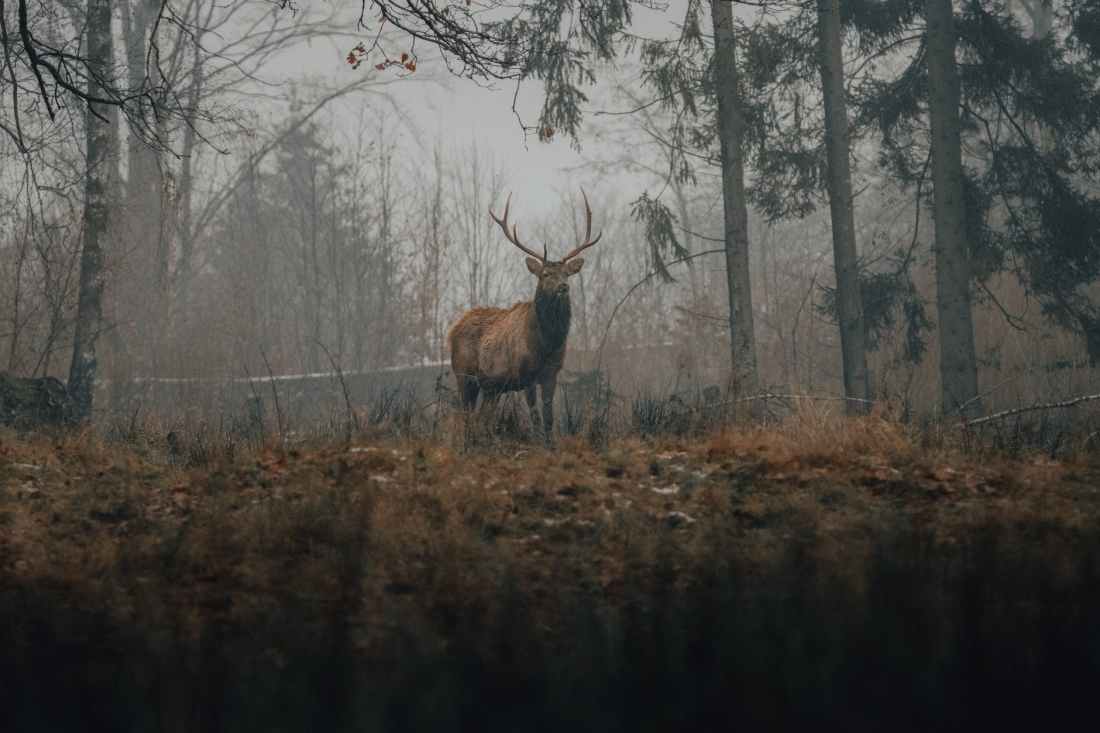
A Deer’s Cry in Autumn: Poem Number 5

This is a very iconic poem about Autumn from the Hyakunin Isshu:

JapaneseRomanizationTranslation
奥山にOkuyama niWhen I hear the voice
もみふみわけMomiji fumiwakeof the stag crying for his mate
鳴く鹿のNaku shika nostepping through the fallen leaves
こえ聞く時ぞKoe kiku toki zodeep in the mountains—
this is the time
秋は悲しきAki wa kanashikithat autumn is saddest.
Translation by Dr Joshua Mostow

The poem was composed by one mysterious figure named Sarumaru Dayū (猿丸大夫, dates unknown), whom we know nothing about.

My new book offers a couple theories as to Sarumaru’s identity. One theory is that he could be the son of Emperor Tenmu (mentioned here among others places) named Prince Yuge (弓削皇子, Yuge no Miko). Another theory suggests that he could be the infamous Buddhist monk Dokyo, Japan’s version of Rasputin, who served Empress Shotoku. However, these theories are, as of writing, entirely speculative. We simply don’t have enough information.

Whoever Sarumaru was though, he nonetheless earned a place among the Thirty-Six Immortals of Poetry.

Even in the Kokinshū where this poem is first found, it is listed as anonymous, according to Professor Mostow, but seems to have been composed for a poetry contest in 893 hosted by Prince Koresada. Mostow further explains that this poem is surprisingly tricky to interpret: who is walking through the leaves, the deer or the author?

Speaking of deer, deer have been an integral part of Japanese poetry since early times. This and poem 83 show how the deer’s cry is a popular poetic symbol of sadness or melancholy.