
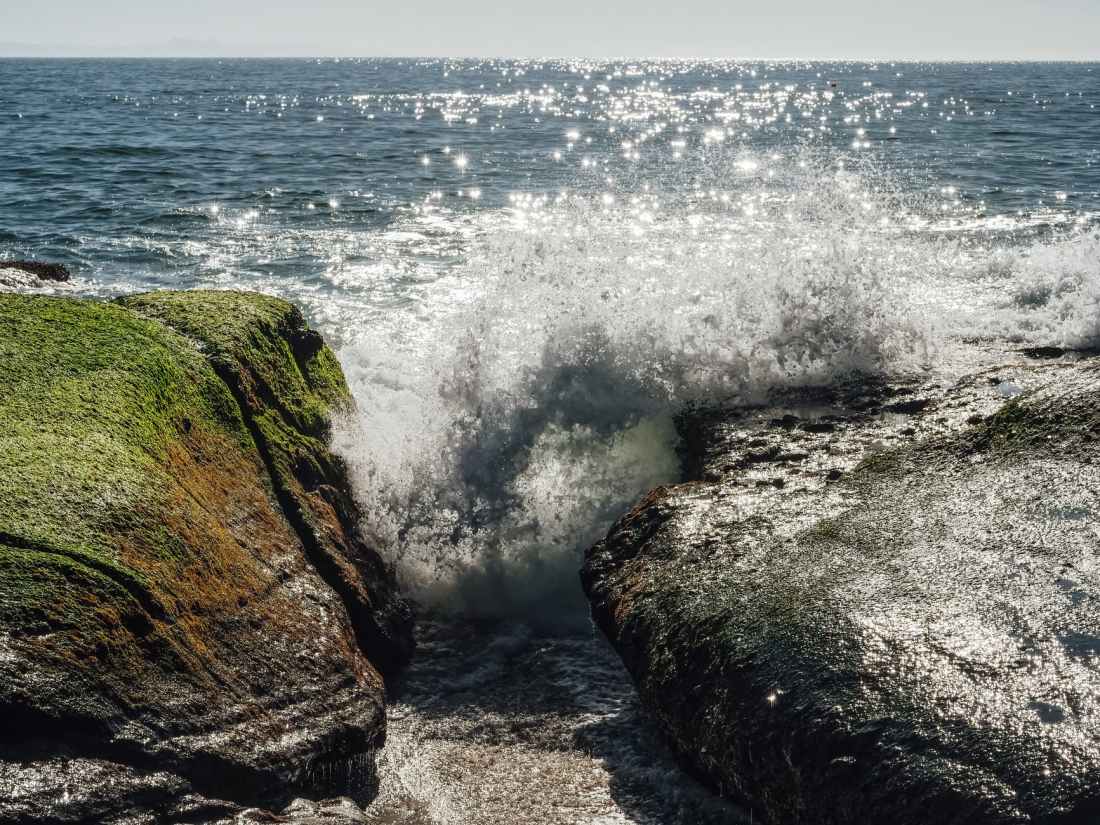
This was something many aristocrats in the old Heian court days probably faced:
| Japanese | Romanization | Translation |
|---|---|---|
| 住の江の | Sumi no e no | Must you so avoid others’ eyes |
| 岸による波 | Kishi ni yoru nami | that not even at night, |
| よるさへや | Yoru sae ya | along the road of dreams, |
| 夢のかよひ路 | Yume no kayoi ji | will you draw nigh like the waves |
| 人目よくらむ | Hito me yoku ran | to the shore of Sumi-no-e Bay? |
This poem was composed by Fujiwara no Toshiyuki Ason (藤原敏行朝臣, ? – 901) who was one of the Thirty-Six Immortals of Poetry, and was an active participant of poetry contests in his day and noted for his excellent calligraphy. His calligraphy was so good, he was often compared with the talented Buddhist monk and founder of the Shingon sect, Kukai.1 Coupled with his long life-span, he has a great presence in poetry and calligraphy during his era. My new book mentions that both he and one Ariwara no Norihira were both infamous playboys, and ended up marrying sisters. Needless to say his wild episodes were recorded in certain tales at the time.
In fact, this poem is part of a poetry contest held in 953, presumably under the theme of forbidden or another similar topic. The poem uses a clever pun for yoru. The first yoru in the poem refers to the waves visiting (寄る in modern day Japanese) the shore of Sumi-no-e Bay (modern day Osaka Bay, specifically Sumiyoshi).
The second yoru means night (夜). The author’s submission to the poetry contents laments that public scrutiny in the small, tightly-knit aristocracy of the Heian Period was so intense that his lover couldn’t even visit him even in his dreams. Professor Mostow points out that the poem can also be interpreted that he could not visit his lover in his dreams, as well.
Because it was such a closed and stratified society, gossip was rampant, and an embarrassing situation could destroy one’s career and family reputation. Forbidden love was something many in the Heian Court faced, and no doubt Toshiyuki’s poem resonated with such people.
1 Kukai (a.k.a. “Kōbō Daishi” posthumously) was so famous for his calligraphy, a phrase exists even to this day in Japanese:
弘法にも筆の誤り
even Kobo Daishi’s brush makes mistakes
kōbō ni mo fudé no ayamari
 The Hyakunin Isshu