Solitude: Poem Number 70

My favorite poem related to fall in the Hyakunin Isshu is this one:

JapaneseRomanizationTranslation
さびしさにSabishisa niWhen, from loneliness
宿を立ちいでてYado wo tachi ideteI stand up and leave my hut
ながむればNagamurebaand look distractedly about:
こも同じIzuko mo onajieverywhere it is the same
秋のゆうぐれAki no yugureevening in Autumn.
Translation by Dr Joshua Mostow

The author of this poem is a monk named Ryōzen Hōshi (良暹法師, dates unknown) or “Dharma Master Ryōzen”, who supposedly composed it while doing austerities in a remote hut outside the capitol. Unfortunately, we have little about Ryōzen Hōshi’s personal history, even in my new book. He had some infamy over a poem he composed during a poetry contest, by inadvertently copying one in the Kokin Wakashu, causing him to be a laughing stock. However, other scant records show he was still respected by the nobility overall.

The notion of “Autumn sunset” appears a lot in Japanese poetry, but apparently its meaning differs depending on the time and place. Ryōzen Hoshi gives a more melancholy, almost Buddhist, tone implying that the world around him is declining into winter and possibly, metaphorically declining in a general Buddhist sense. However, Sei Shonagon (poem 62) also wrote about Autumn Sunset in her Pillow Book, but used it to describe crows and wild-geese flying

An Autumn sunset means a lot of different things to a lot of different people, but it still is significant one way or another. For me, I tend to like Ryōzen’s imagery the best, and it’s the one I imagine whenever I read this poem.
Scattered Gems: Poem Number 37

Another iconic poem about Autumn in the Hyakunin Isshu:

JapaneseRomanizationTranslation
白露をShiratsuyu niIn the autumn fields
風のふきしくKaze no fukishikuwhere the wind blows repeatedly
秋の野はAki no no waon the white dewdrops,
つらぬきとめぬTsuranuki tomenuthe gems, not strung together,
玉ぞちりけるTama zo chiri kerudo scatter about indeed.
Translation by Dr Joshua Mostow

The author, Fun’ya no Asayasu (文屋朝康, dates unknown), is the son of Fun’ya no Yasuhidé (poem 22), but is otherwise unknown. My new book states that, like his father, he achieved only middling rank (junior sixth rank) in the Imperial bureaucracy, but unlike his father, he did not achieve much fame through poetry either. There have been persistent rumors, though, across the ages that some of Yasuhidé’s poems were in fact composed by his son, Asayasu. However, evidence is sketchy.

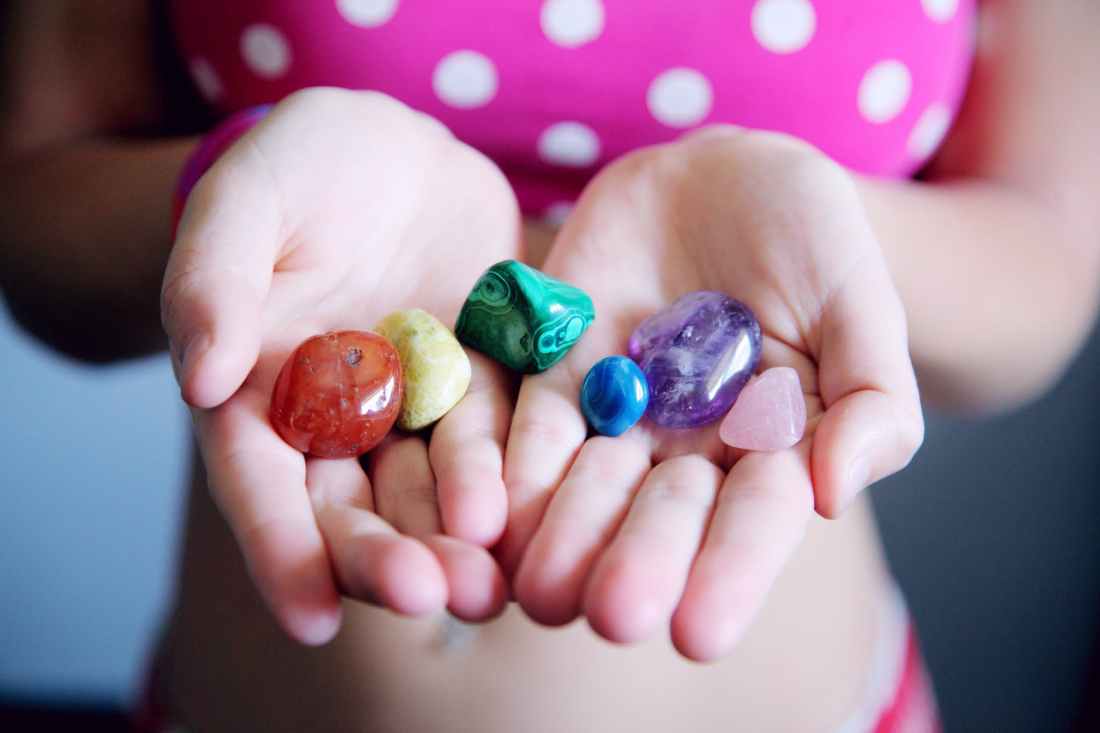
The poem is something of an oddity in the Hyakunin Isshu because, as Mostow explains, it seems to be a relatively common poem. It uses a popular motif of dew as gems, comparing them to pearls or jewels, and you can find similar imagery in other poems of the time. So, why did the compiler of the Hyakunin Isshu, Fujiwara no Teika (poem 97), select this poem for this anthology?

Mostow points out that this poem is featured in other anthologies as well, so for some unknown reason, it was highly prized, even though the significance is lost now.

Still, there is something beautiful about the idea of gems scattering in the Autumn wind in particular and perhaps that is what sets this poem apart from others from the same era.

Lonely In Autumn: Poem Number 47

This is a poem a like a lot from the Hyakunin Isshu that vividly expresses the mood of Autumn:

JapaneseRomanizationTranslation
むぐらYaemuguraTo the lonely house
しげれる宿のShigereru yado nowhere the weeds, eight
layers deep,
さびしきにSabishiki nihave grown rank,
人こそ見えねHito koso mienenot a soul can be seen—
秋は来にけりAki wa ki ni keribut autumn, at least,
has come.
Translation by Dr Joshua Mostow

The poet, Egyō Hōshi (恵慶法師, dates unknown) also known by his title “Dharma Master Egyō”, was a Buddhist monk active during the last half of the tenth century. He was the bishop (kōsō 高僧) of a major temple in old Harima Province and often gave lectures. As Professor Mostow explains, he was closely associated with other poets who frequently met at the Kawara Villa on the banks of the Kamo River. According to Mostow, these included Yoshinobu (poem 49) and Motosuke (poem 42) among others. He was also friends with Kanemori (poem 40).

The poem was given as an entry to a poetry contest about the coming of autumn to a ‘dilapidated house’ according to Mostow, but he points out that the “house” in question was probably referring to the Kawara Villa, itself previously owned generations earlier by Minamoto no Toru (poem 14). The juxtaposition between people (who don’t visit) and autumn (which does) makes this poem highly prized.

Given that Egyō is a Buddhist monk, and well-versed in the Buddhist teachings of the effervescence of life, it seems reasonable that he used the house and the seasons to give the poem a bit of a Buddhist theme. Spring gives way to Summer, Summer to Fall, Fall to Winter and so on. In the same way, things rise and fall, and Egyō perhaps wanted to remind his audience that “Autumn” comes sooner or later.