
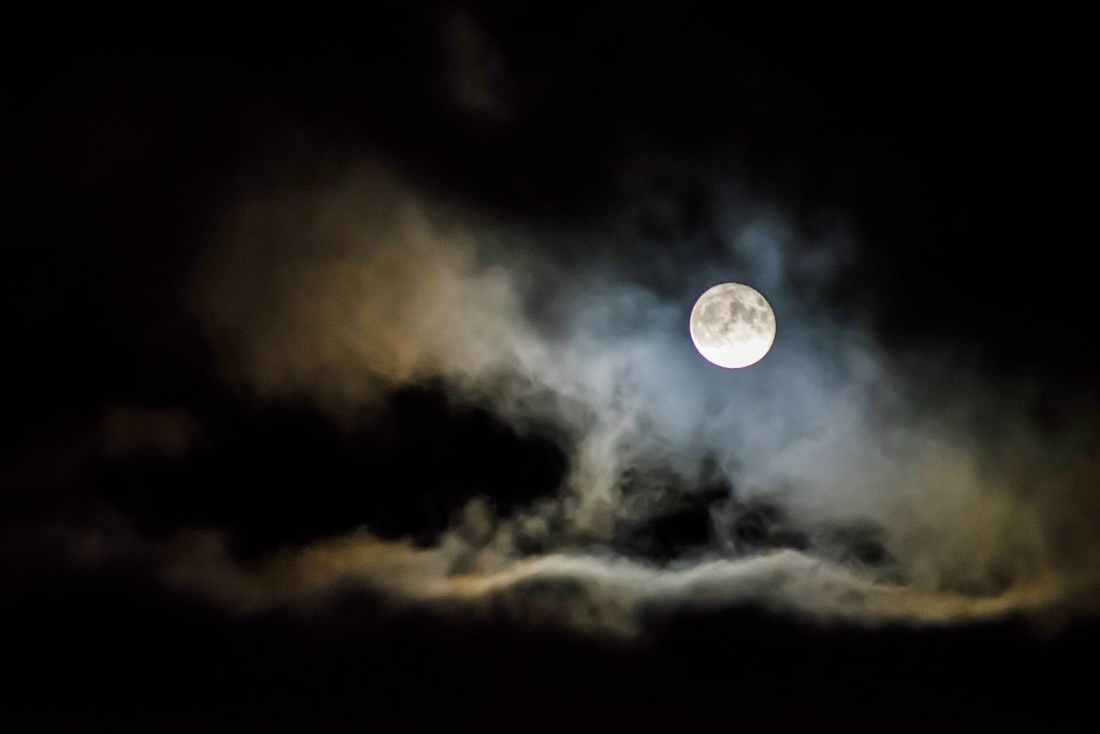
This poem is something that touches on an important theme here on the blog, but first, let’s take a look:
| Japanese | Romanization | Translation |
|---|---|---|
| 心にも | Kokoro ni mo | Though it is not what’s in my heart, |
| あらで浮世に | Arade ukiyo ni | if in this world of pain |
| ながらへば | Nagaraeba | I should linger, then |
| 恋しかるべき | Koishikaru beki | no doubt I shall remember fondly |
| 夜半の月かな | Yowa no tsuki kana | the bright moon of this dark night! |
This poem was composed by Sanjō-in (三条院, 976 – 1017), known in English as the “retired Emperor Sanjo“. He only reigned briefly for 5 years until his regent, Fujiwara no Michinaga, forced him to abdicate so that his own grandson could become Emperor (Emperor Go-ichijo). Fujiwara no Michinaga will be remembered as the main character of Lady Murasaki’s Diary, plus he employed a number of the female authors in the Hyakunin Isshu to be ladies in waiting for his daughter. Fujiwara no Sadayori (poem 64)’s family also lost in the same struggle.
To make matters worse, Emperor Sanjo was frequently ill, and this added further pressure for him to abdicate.
The poem above, according to Mostow, is thought to have been composed toward the end of his reign when he was ill and considering abdication. Was he concerned that night about his illness, or about the prospect of losing the throne? What made him savor that moon so?
As mentioned in this post, the later poems of the Hyakunin Isshu reflect a more somber era when political scheming and conflict replaced the earlier enthusiasm of previous generations. By this time, the Emperors had lost much of their power to ministers (mainly from the Fujiwara family) and were increasingly isolated, or even battling one another.
The 400-year Heian Period, the height of aristocratic culture in Japanese history, which the Hyakunin Isshu covers, would come crashing down about 100 years later.
 The Hyakunin Isshu