

My favorite poem related to fall in the Hyakunin Isshu is this one:
| Japanese | Romanization | Translation |
|---|---|---|
| さびしさに | Sabishisa ni | When, from loneliness |
| 宿を立ちいでて | Yado wo tachi idete | I stand up and leave my hut |
| ながむれば | Nagamureba | and look distractedly about: |
| いづこも同じ | Izuko mo onaji | everywhere it is the same |
| 秋の夕ぐれ | Aki no yugure | evening in Autumn. |
The author of this poem is a monk named Ryōzen Hōshi (良暹法師, dates unknown) or “Dharma Master Ryōzen”, who supposedly composed it while doing austerities in a remote hut outside the capitol. Unfortunately, we have little about Ryōzen Hōshi’s personal history, even in my new book. He had some infamy over a poem he composed during a poetry contest, by inadvertently copying one in the Kokin Wakashu, causing him to be a laughing stock. However, other scant records show he was still respected by the nobility overall.
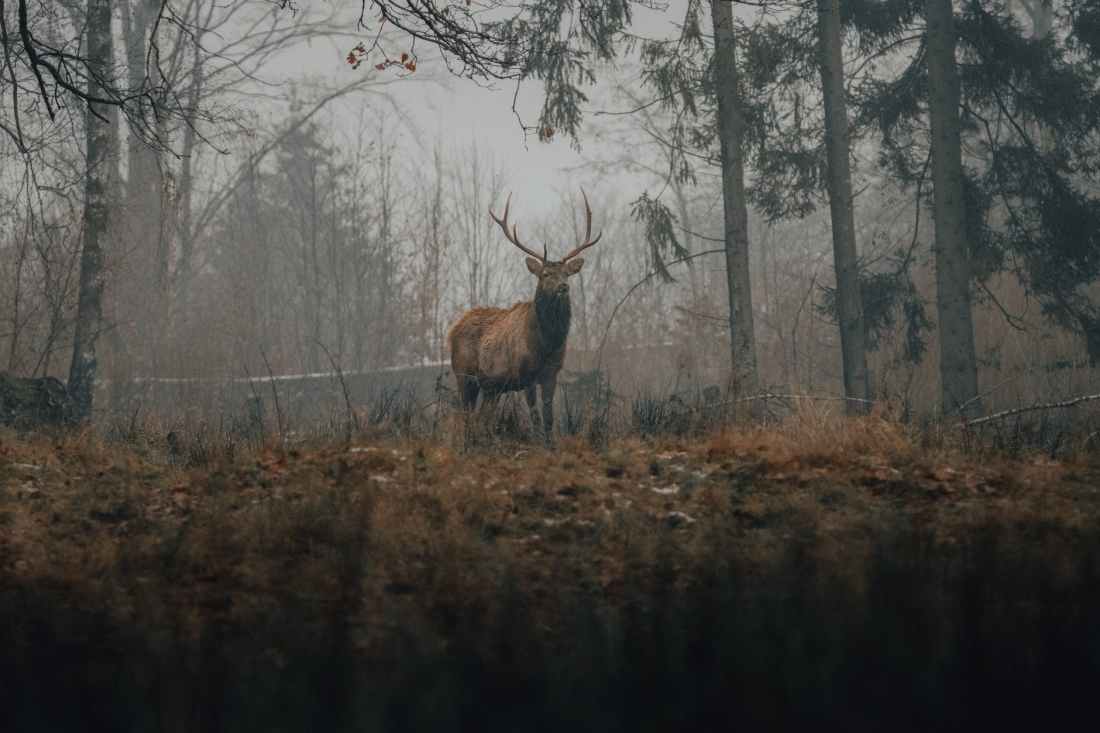
The notion of “Autumn sunset” appears a lot in Japanese poetry, but apparently its meaning differs depending on the time and place. Ryōzen Hoshi gives a more melancholy, almost Buddhist, tone implying that the world around him is declining into winter and possibly, metaphorically declining in a general Buddhist sense. However, Sei Shonagon (poem 62) also wrote about Autumn Sunset in her Pillow Book, but used it to describe crows and wild-geese flying
An Autumn sunset means a lot of different things to a lot of different people, but it still is significant one way or another. For me, I tend to like Ryōzen’s imagery the best, and it’s the one I imagine whenever I read this poem.
 The Hyakunin Isshu