

This is kind of a cool, unusual poem to find in the Hyakunin Isshu, but something we can all appreciate:
| Japanese | Romanization | Translation |
|---|---|---|
| ながらへば | Nagaraeba | If I live on longer, |
| またこのごろや | Mata kono goro ya | shall I again, I wonder, |
| しのばれむ | Shinobaren | yearn for these days? |
| うしと見し世ぞ | Ushi to mishi yo zo | The world that I once saw as |
| 今は恋しき | Ima wa koishiki | bitter, now, is dear to me. |
This poem was composed by Fujiwara no Kiyosuke Ason (藤原清輔朝臣, 1104 – 1177), “Sir Fujiwara no Kiyosuke”, who was the second son of Fujiwara no Akisuke (poem 79). Kiyosuke’s grandfather, Fujiwara no Akisué (藤原顕季) had founded the Rokujo School of poetry, and passed it along to Akisuke. However, there is evidence that Akisuke and his son Kiyosuke got along poorly. Real poorly.
The Rokujo School published an Imperially-sponsored anthology titled the Shikashiyū (詞花集), Kiyosuke was snubbed and not a single poem of his was included. Ouch. Further, in Kiyosuke’s career ambitions, Akisuke went out of his way to hinder his son finding lucrative positions in the Imperial Court. Thus, Kiyosuke never succeeded in the Court bureaucracy.
Ironically, Professor Mostow states that after his father Akisuke died, Kiyosuke inherited his position as head of the Rokujo School anyway. From here, he officiated poetry contests, and the Rokujo School took in success, so much so that it eventually developed a rivalry with Fujiwara no Shunzei (poem 83). Sadly, his efforts to publish another anthology, the Shokushikashu (続詞花集) dried up after Emperor Nijo died.
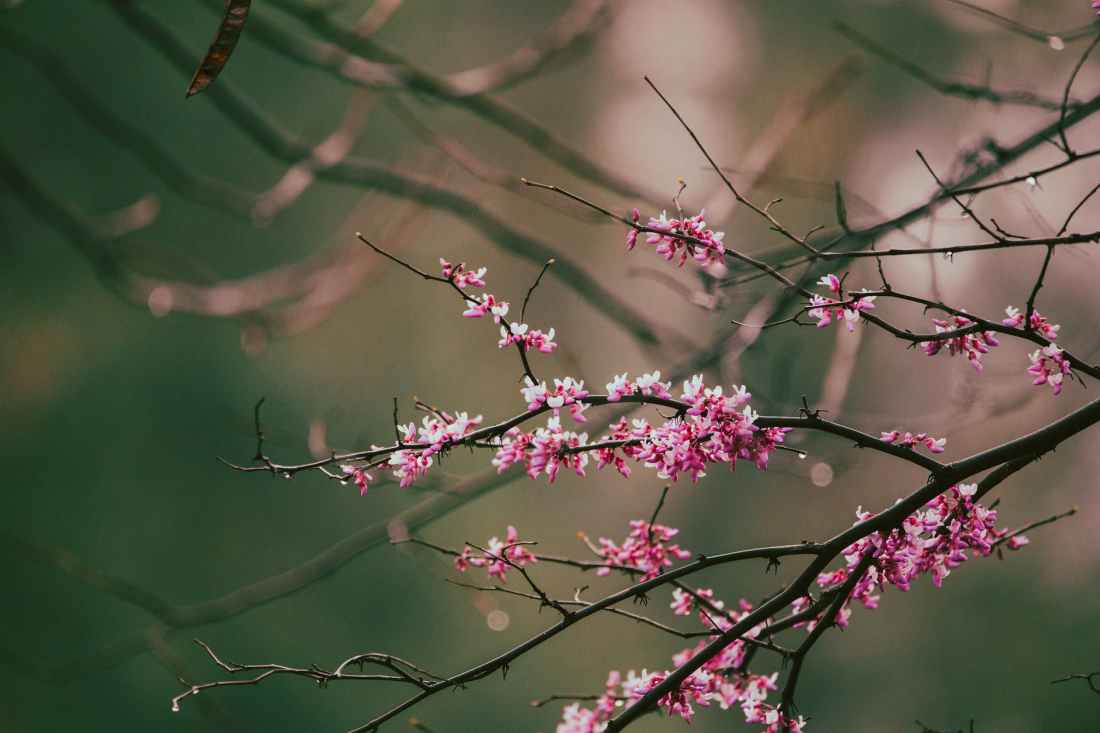
At heart, this poem is about nostalgia, how bitter things now somehow soften over time. It is thought that Kiyosuke may have recited this poem around the age of 60, and was thus looking back. Given his harsh upbringing, you can probably imagine why. But even the modern reader can think of a bitter time in their life, but when looking back nostalgia makes it seem sweeter than it was at the time. It’s also a reminder that if we are going through a hard time now, it won’t always be that way in the future.
Professor Mostow points out that some commentators think this may have, more concretely, alluded to the decline of the times, and in particular the disastrous Hōgen Rebellion, mentioned also in poem 76 and poem 77, and poem 86. That same rebellion ultimately began the rapid decline of the aristocratic Heian Period, epitomized in poem 100.
But even if that were true, it’s interesting how we tend to look back on this era with a kind of bitter-sweet nostalgia, far removed from the pain and destruction caused at the time.
 The Hyakunin Isshu