To War! Manyoshu Book One, Poem 8

Poetry about war is not something you will ever find in the Hyakunin Isshu, or other Imperial anthologies. So, I was quite surprised to find this poem in the Manyoshu.

ManyoganaJapaneseRomanizationTranslation1
熟田津尓熟田津にNikitatsu niI was going to wait for
船乗世武登ふな乗りせFunanorisen tothe moon to rise before
月待者月待てばTsuki matebaembarking from Nikita bay,
潮毛可奈比沼しほもかなひぬShio mo kanainubut the tide is up:
今者許藝乞菜今は漕ぎ出でなIma wa kogi-idé nago, row out now!
1 Translation by Kudō Rikio, Ōtani Masao, Satake Akihiro, Yamada Hideo, Yamazaki Yoshiyuki, ed. SNKBT: Man’yōshū, 4 vols. Iwanami, 1999–2003, originally found here.

This poem was recited by none other than Princess Nukata (Nukata no Okimi, 額田王, 7th century), whom we saw in these two poems. She wasn’t just a woman sought after by two emperors, but also played a small part in the effort to restore the Korean kingdom of Baekje.

A map of Korea in the 4th century showing the three kingdoms. Baekje is at the height of power at this time. Map by Historiographer at English Wikipedia, Public domain, via Wikimedia Commons

For centuries, the Korean Peninsula was divided into three kingdoms: Goguryeo, Silla and Baekje who constantly vied for control. Baekje, called Kudara (百済) in Japanese, was the country most closely allied with Japan in antiquity and helped bring much continental culture to the fledging Japanese court. They had a long-standing alliance.

But in 660, Baekje was crushed by the combined forces of Silla and their ally, Tang-Dynasty China (aka “Great Tang” as they called themselves). The remnants of the Baekje court fled to Japan and sought help to restore their kingdom.

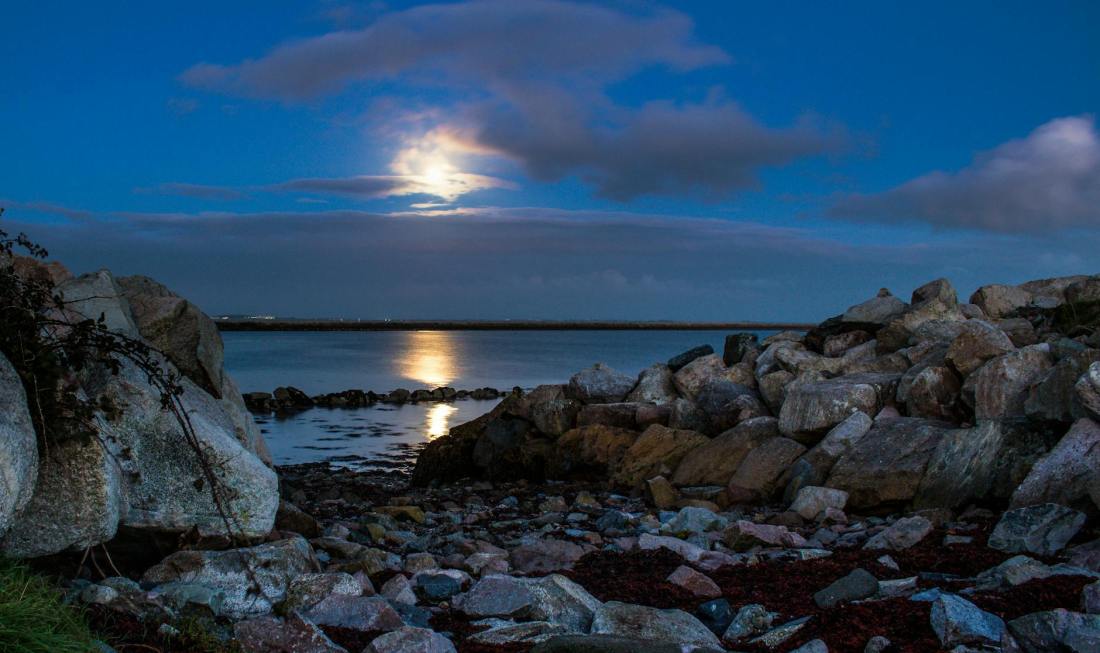
With Japanese and Korean restoration forces mustered at beaches of Nikita (熟田) Bay in modern day Ehime Prefecture, Princess Nukata, writing on behalf of the Baekje sovereign, Prince Buyeo Pung, recited this poem to fire up the troops.

Sadly, the restoration effort gradually failed. The forces landed in former Baekje and made initial gains, but gradually lost steam, and then were crushed in 663 at the Battle of Baekgang. This was also the last time that Japan sent troops to the Korean Peninsula until the 16th century under Toyotomi Hideyoshi’s invasion of Korea.

As I wrote before, the Manyoshu, while technically Japan’s first poetry anthology, is a somewhat different beast than later anthologies and collections. The poetry techniques are less refined, but the Manyoshu is often revered for its more visceral nature, its breadth, and its small peeks into antiquity.

P.S. Korean history is fascinating too, and makes for some pretty nice K-Dramas which you can easily find on streaming media such as Netflix. If you’re not already a K-Drama fan, maybe look up a few and enjoy.

P.P.S. Before I found a proper translation, I was translating the final line as “Let’s row” in the same way that Optimus Prime from the Transformers would say “Roll out!”. Maybe less accurate but it sounds cool, especially coming from Princess Nukata. 😎
The End of an Era: Poem 100

The very last poem in the anthology goes along with the previous one in our theme on the end of the Heian Court era:

JapaneseRomanizationTranslation
百敷やMomoshiki yaThe hundredfold palace!
古き軒端のFuruki nokiba noeven in the shinobu grass
しのぶにもShinobu ni moon its old eaves
あまりあるNao amari aruI find a past for which
むかしなりけりMukashi narikeriI long yet ever more.
Translation by Dr Joshua Mostow

This poem was composed by Juntoku-in (順徳院. 1197 – 1242), or “Retired Emperor Juntoku”. Emperor Juntoku‘s father, Emperor Go-toba (poem 99), led the disastrous Jōkyū Disturbance in a last-ditch effort to wrest back power from the new samurai military government in 1221. Like his father, Juntoku was exiled after the rebellion was crushed, but he was sent to Sado Island instead, and lived there for 20 years before his death.

This poem, though, was composed in 1216, five years before the war, and recalls the glory days of the Imperial Court before the downfall in the late 12th century. When we look at the lengthy history of the poetry included in the Hyakunin Isshu anthology, spanning 400+ years, you can see how much poems like this one contrast with the upbeat, optimistic ones from earlier generations. By the time that Emperor Juntoku had assumed the throne, the capitol of Kyoto was already a shadow of its former self, and his reign a greatly diminished one.

In fact, in the Hyakunin Isshu Daijiten, the book points out that the Hyakunin Isshu begins with a poem by an Emperor (poem 1) writing on the harvest, a prosperous subject, and ends with another Emperor longing for bygone times. Fujiwara no Teika (poem 97), the compiler of the anthology obviously knew what he was implying.

Also, the phrase momoshiki is an interesting one. According to Professor Mostow, the phrase is borrowed from a much earlier poem in the Manyoshu:

JapaneseRomanizationRough translation
ももしきのMomoshiki noAre the people of the
大宮人はŌmiyabito waHundred Fold Palace
暇あれやItoma areyaso carefree that they
梅をかざしてUme wo kazashitegather plum blossoms
ここにつどへるKoko ni tsudoeruto decorate their hair?
Book 10, poem 1883

This poem colorfully describes how people in the palace are decorating their hair with plum blossoms they’ve collected, and playfully suggests that life at the palace is well and carefree.

So, it’s really interesting to see how Emperor Juntoku revives this ancient phrase in a poem that conveys the opposite meaning. The sun has set on the Imperial Court, and the palace looks tired and worn now. 

Further, Professor Mostow translates momoshiki as the Hundred-fold Palace which is as good a translation as any in English. But the Chinese characters (kanji) are 百敷 or “hundred seats laid out”, but alternatively, momoshiki can be written as 百石城 meaning “100-stones castle”. Both meanings refer to the Imperial Palace or kyūchū (宮中) in Japanese. The first word implies a hundred mats laid out for sitting (i.e. many people attending the court), while the latter means 100 stones, implying a palace with firm foundations.

But it’s a poignant reminder that all things decline some day.

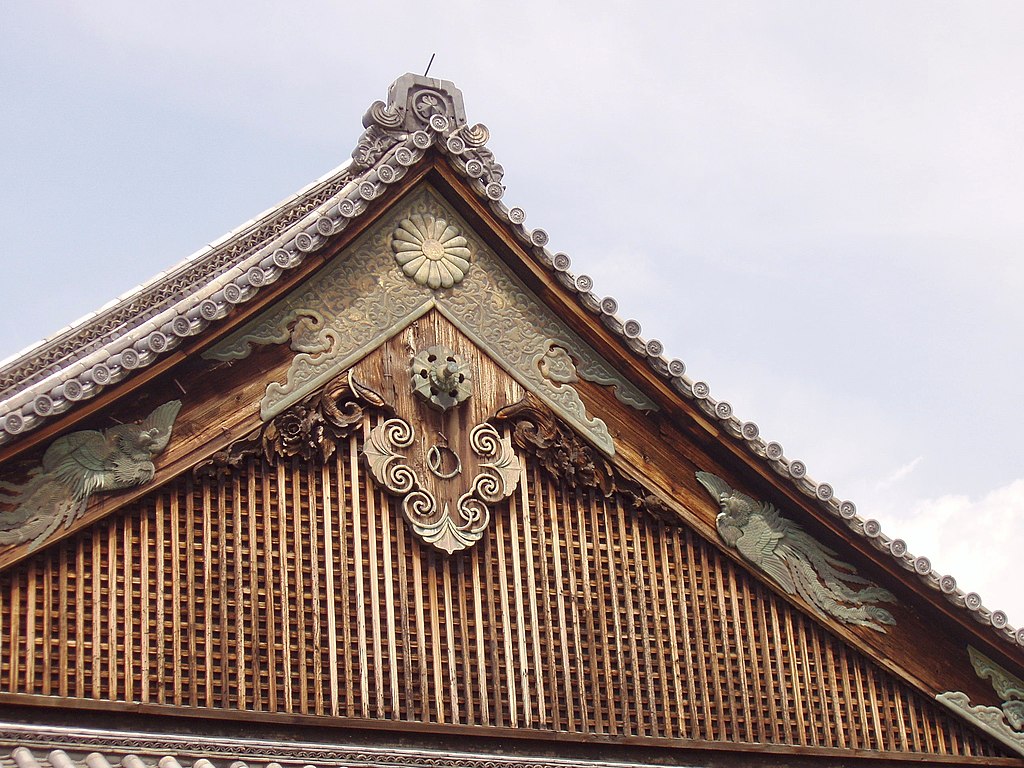
P.S. The featured photo above is the Ninomaru Palace, Kyoto, Japan (photo by Daderot, CC BY-SA 3.0, via Wikimedia Commons).

Brooding: Poem Number 99

Since I touched upon the end of the Court-era in Japanese history, I thought it would be fitting to post this poem:

JapaneseRomanizationTranslation
人もHito mo oshiPeople seem dear and
人もうらめしHito mo urameshipeople also seem hateful
きなくAjiki nakuwhen vainly
世を思Yo wo omou yue niI brood about the world—
もの思身はMono omou mi wathis self who broods about things.
Translation by Dr Joshua Mostow

The author of this poem was Gotoba-in (後鳥羽院, 1180 – 1239), or “Retired Emperor Gotoba”. Emperor Gotoba was one of the most noteworthy Emperors in Japanese antiquity. Gotoba was responsible for a revival in Waka poetry. He commissioned Fujiwara Teika (poem 97), who compiled the Hyakunin Isshu, among others to make a new official anthology after the Kokin Wakashū centuries before, and this new edition became the Shin Kokinshū which is still an important part of Japanese literature.

Gotoba was a bold character, and sought to restore power which had recently been wrested from the Imperial family by the new samurai class based in Kamakura, Japan (cf. poem 93). So, he and his son Emperor Juntoku, poem 100, organized a last-stand rebellion in 1221 called the Jōkyū Disturbance (or Jōkyū War) where he rallied the samurai back to his banner. Unfortunately, most didn’t want to lose their recent gains, and sided with the Kamakura government under the persuasion of Hojo Masako, the famous “Nun Warlord”.

Thus, the Jokyu Disturbance was a disaster and the Emperor’s forces were quickly destroyed. The young firebrand of an Emperor was then exiled to the Oki Islands and lived their for another 18 years.

This poem though, predates the rebellion and exile. According to Professor Mostow, it was composed as part of a series in 1212, which included Fujiwara no Teika, with the topic of “personal grievance”.

As to “who” he was referring to in the poem, that’s tricky. The word hito means “person or persons”, so it’s pretty generic. Mostow suggestions some traditional interpretations, such as those who oppose the Kamakura government, and those who uphold it (whom he detests), or another traditional interpretation was the common folk vs. those who opposed the rebellion (whom he obviously didn’t like).

We will never really know. But certainly after his exile, we can be sure he spent many days brooding.

P.S. Featured photo is another patron of the arts, Victor Hugo, brooding in this photograph from 1853. Photo by Charles Hugo, Public domain, via Wikimedia Commons