From Darkness Into Darkness: Lady Izumi’s Final Poem

In a lesser-known Imperial poetry anthology called the Shui Wakashu (拾遺和歌集), poem 1342, is recorded what is believed to be Lady Izumi’s1 final poem:

JapaneseRomanizationTranslation
暗きよりKuraki yoriThe way I must enter
暗き道にぞKuraki michi ni zoleads through darkness to darkness —
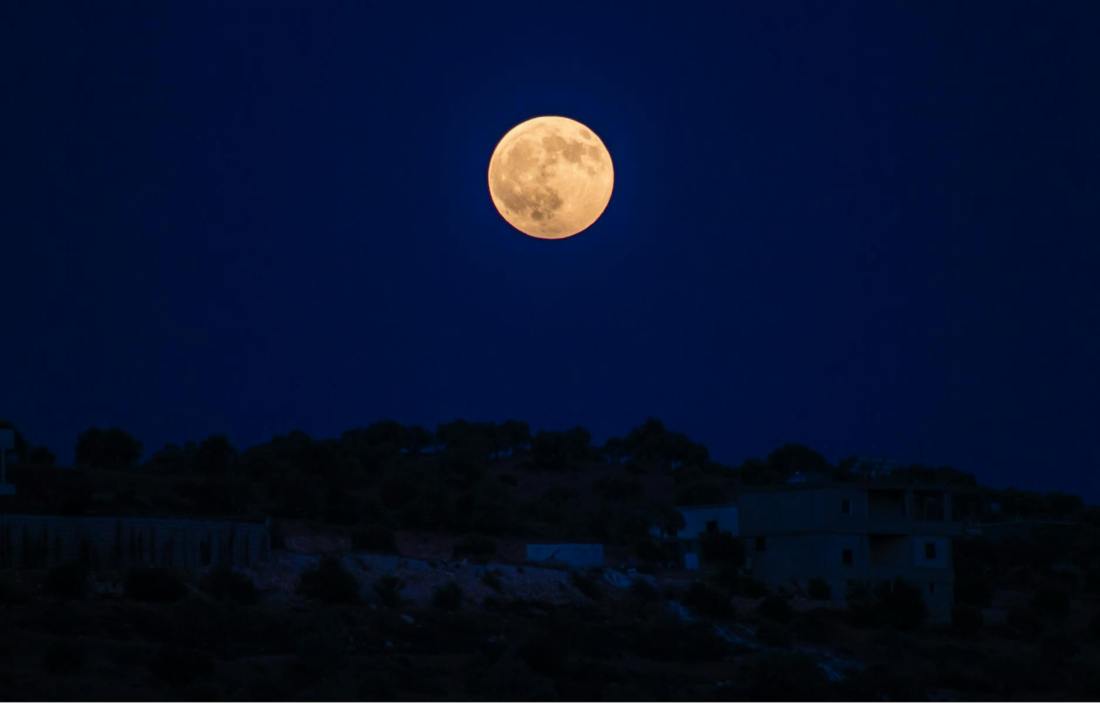
入りぬべきIrinu bekiO moon above the mountains’ rim
はるかに照らせHaruka ni teraseplease shine a little further
山の端の月Yama no wa no tsukion my path.
Translation by Jane Hirshfield and Mariko Aratani in “The Ink Dark Moon

This poem was addressed to a Buddhist monk named “Shoku” and includes several Buddhist allusions. The most important is the phrase “darkness to darkness”, which comes from chapter seven of the Lotus Sutra:

….from darkness they [living beings] enter into darkness,
to the end never hearing the Buddha’s name [hear the Dharma].

translation by Burton Watson2

This refers to the Buddhist notion of Samsara, the near-infinite, aimless wandering that living beings undergo lifetime after lifetime, like a cosmic rat race. Such beings, who have yet to hear the Dharma [the teachings] of the Buddha, will continue to wander lifetime after lifetime without rest.

Thus, Lady Izumi is asking Shoku to help shine a light in the darkness for her, so that she may find the way [follow the Buddhist path].

I had trouble deciding which blog to put this in, since it covers both themes, but I decided to post here since the poem was introduced in the new historical drama about Lady Murasaki, Izumi’s contemporary.

Lady Izumi was, to put it mildly, a complex woman. She had incredible talent, and found herself in one scandal3 after another as powerful men fell at her feet, plus she earned scorn from other women such as Lady Murasaki. And yet, she was also very kind, devout and struggled to balance both the religious and worldly aspects of her life, while raising her orphaned granddaughter.

Hirshfield and Aratani note that if this poem is indeed her last, the final word she ever wrote was tsuki (月), “moon”.

1 poem 56 in the Hyakunin Isshu (あらざらん)

2 alternate translation by Murano reads: …they go from darkness to darkness, and do not hear of the names of the Buddhas.

3 this was a conservative, narrow, aristocratic society where men frequently had affairs, but it was much more scandalous if women did. The idea that women could want, and enjoy sex, was not something people really accepted at the time.

Names in the Hyakunin Isshu

Hello readers,

If you’ve been following this blog for a while, and gotten to know some of the authors of the Hyakunin Isshu, then you may have noticed some patterns with the names of the authors. The authors are rarely listed by their birth name, and instead are listed under a sobriquet, or just their official title in the Imperial Court.

Why was this done?

My book, the Hyakunin Isshu Daijiten, explains that this was because in this period of Japanese history, names were thought to be tied to one’s life. People at this time, both the Nara (8th c.) and increasingly in the Heian (9th – 12th c) periods, were often worried about curses, evil spirits, and such, and went to elaborate lengths to avoid spiritual calamities (see background for poem 24 for example). So, to avoid risk of one’s name (and thus one’s life) being subject to evil magic, people often hesitated to share their personal names with others.

It’s unclear how commoners in the Nara/Heian Period named themselves; there is just not enough information, but for the nobility who all belong to the hierarchical Imperial Court, certain naming conventions developed.

Men

Men with important titles, or positions in the court often used their titles as their sobriquet. Lower-ranking men in the Hyakunin Isshu did not have this privilege.

  • Titles for members of the Imperial FamilyEmperor Tenji, (poem 1), Retired Emperor Go-toba (poem 99), and Prince Motoyoshi (poem 20).
  • Positions in the Imperial CourtSanjō Minister of the Right (poem 25), Major Counselor Fujiwara no Kintō (poem 55), and Master of the Grand Empress’s Palace (poem 83)
  • Clerical namesDharma Master Jakuren (poem 87) and Former Major Archbishop Gyōson (poem 66)
  • Poetic namesSarumaru Dayū (poem 5)

Women

Due to the Confucian, paternalistic culture of the Japan in antiquity, women were not given titles wihtin the Imperial Court (though they did earn rank just as men did), and seldom used their real name. Instead, they used a different naming convention.

  • Male relatives or spouses – Lady Ise (poem 19), whose husband served as governor of Ise Province, Lady Izumi (poem 56) whose tenure as governor of Izumi Province, “The Mother of Michitsuna, Major Captain of the Right” (poem 53), Taiyu of the Household of Princess Ryōshi (poem 90), and Ukon (poem 38) named after her father’s position as Captain of the Guards.
  • Poetic sobriquets – Lady Murasaki (poem 57) named after a character from her own novel the Tales of Genji, Akazome Emon (poem 58).

Because women were more often kept out of sight than men in the Imperial Court, biographical information about women authors of the Hyakunin Isshu is often much thinner than the men (except lower-ranking men). This makes learning about women like Lady Murasaki or Lady Izumi difficult.

In any case, the idea that names are tied to one’s lifespan is a fascinating cultural belief, and it’s likely you would find this in other pre-modern cultures as well.

The Women of the Hyakunin Isshu

An illustration from chapter 5 of the Genji Monogatari (Tales of Genji), photo by Tosa Mitsuoki, Public domain, via Wikimedia Commons

March 3rd in Japan is Girls’ Day and to celebrate I’ve decided to devote all of March to poetry from the Hyakunin Isshu from female poets.

Although most of poems in the anthology were written by men, a considerable minority (20% of the poems) are written by women as well. Many of these are found in poems 55-65 but are also scattered before and after. Many of these women represent the first female authors in world history including Lady Murasaki who wrote the Tales of Genji and her eponymous diary, and Sei Shonagon who wrote the Pillow Book. In addition was the diary of Lady Sarashina, the Gossamer Years and the writings of Lady Izumi.

Poetry in the days of the ancient Heian Court was everywhere and women wrote poetry as much as men did if not more. Like men, they participated in Imperial contests as well and made a name for themselves. Not surprisingly, some of these have been preserved in the Hyakunin Isshu, just as they were in official Imperial anthologies, such as the Kokin Wakashū. However, one interesting custom to note is that the women poets never used their own name. Instead they often used sobriquets associated with where their family was affiliated with, or their position in the Court. Lady Izumi’s father was governor of Izumi province for example.

So this month, expect some awesome poetry from the women of the Hyakunin Isshu!