The Iroha Poem

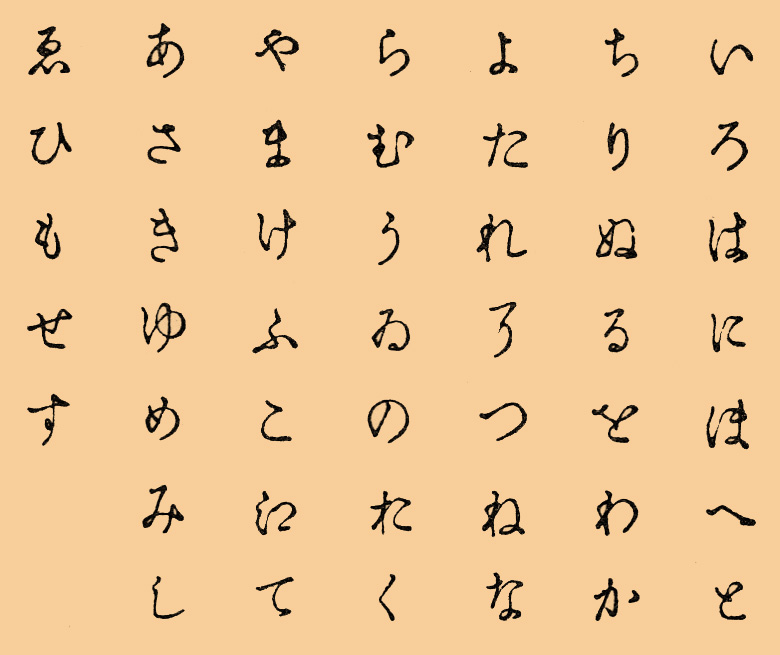
y. One of the most famous poems across Japanese history and even contemporary culture is a poem called the Iroha. The name “iroha” comes from the first three letters of the poem “i”, “ro” and “ha”. What makes this poem famous is that it uses each hiragana syllable exactly once, and still makes an intelligible, not to mention lovely, poem.

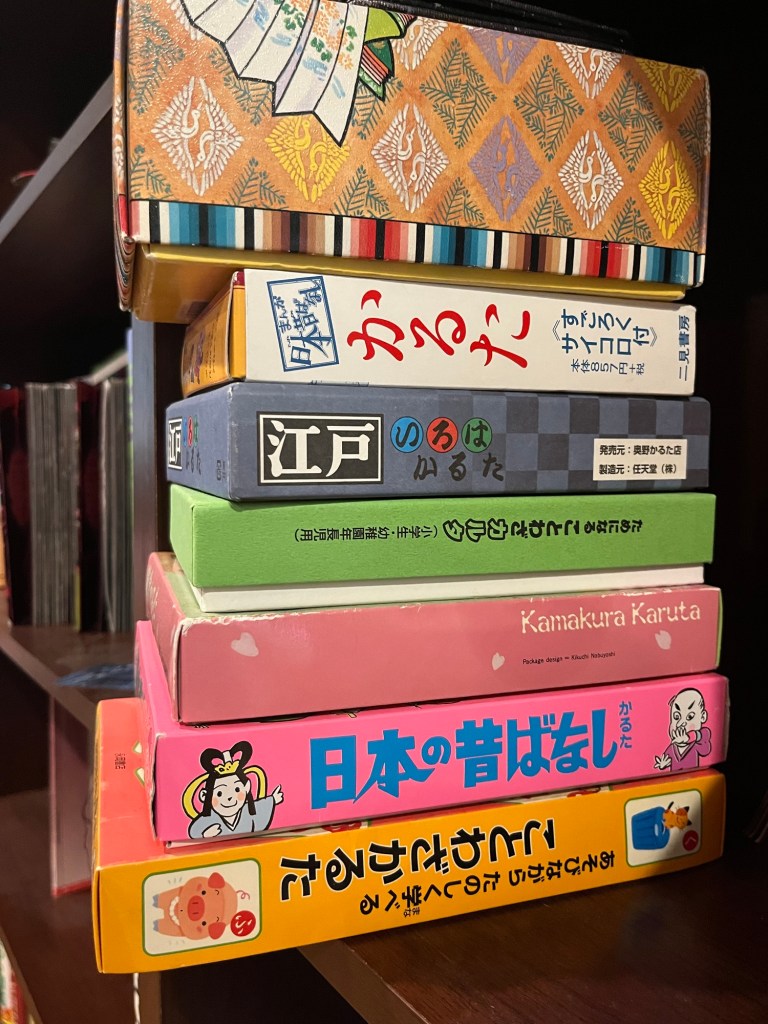
Because of this, it was often used in pre-industrial Japan as a way to organize things. Theater rows would be organized by the order in the Iroha letters, and so were firefighter brigades in pre-modern Tokyo (a.k.a. Edo). Even modern karuta sets are organized by iroha order. I don’t mean the Hyakunin Isshu karuta that I often discuss in the blog, but more informal karuta games that kids often play. We have a few sets here at home, given to us by my in-laws for the grandkids. You can see a nice selection of Iroha karuta sets on the Okuno Karuta online store, too.a

Various karuta sets my in-laws in Japan sent us. The top one is my wife’s original Hyakunin Isshu she had from grade-school.

But I digress.

The Iroha poem’s author is unknown (more on that later), but it was originally composed in old Manyogana script, like other poems of the early Manyoshu anthology, then later in hiragana. It includes many old spellings, so it’s a bit hard to render in modern Japanese.

The poem is as follows:

ManyoganaModern JapaneseRomanizationTranslation1
以呂波耳本部止いろはにほへI ro ha ni ho he toEven the blossoming flowers
千利奴流乎和加ちりぬるをわchi ri nu ru o wa kawill eventually scatter
餘多連曽津祢那よたれそつねyo ta re so tsu ne naWho in this world shall
良牟有為能於久らむうゐのおra mu u i no o kuremain unchanged? Let us today2
耶万計不己衣天やまけふこえya ma kyo (ke fu) ko e tecross the mountains of impermanence
阿佐伎喩女美之あさきゆめみa sa ki yu me mi shiand no longer have superficial
恵比毛勢須ゑひもせe hi mo se sudreams, nor be deluded
1 adapted translation from Wikipedia, plus a few modifications of my own
2 有為 (u i) meaning “viccisitudes of life” or the impermanence of all phenomena

This poem has strong Buddhist allusions to such concepts as samsara (“the aimless wandering lifetime after lifetime”), the delusions that bind us to this existence, awakening to these delusions (e.g. “enlightenment”), and finally nirvana (“unbinding”). The poem itself shows considerable familiarity with earlier Buddhist texts such as the Perfection of Wisdom sutras, including the Heart Sutra, as well.

But I digress. Again. 😅

There are some really interesting aspects of this poem that are worth sharing. First, authorship. Given the strongly Buddhist undertones of the poem, it’s often been attributed to a famous Buddhist monk named Kukai (a.k.a. Kobo Daishi) who was a talented poet and calligrapher. Another theory states that this poem may attributed to none other than the famous court poet Kakinomoto no Hitomaro, who composed poem 3 in the Hyakunin Isshu (あしびきの).

But things get even more interesting.

Scholars have noted that if you take the last syllable of each line (highlighted above for convenience) it spells another sentence: toka (ga) nakute shisu (咎[が]無くて死す) meaning “he/she died without fault or blemish”. Another theory, mentioned in my new book, points out that the 5th column spells out ho(n) wo tsu no ko me (本を津の小女), which could mean “deliver this book to my wife in the town of Tsu”, which if taken together with the 7th column implies that “I will die without blemish, please deliver this poem to my wife”.

So, is the poem a tribute to someone else? Perhaps Kukai or Hitomaro? If so, then who wrote it, and why? Was the poem a coded message to someone who was executed for political reasons? Or was the poem simply an attempt at word-play?

We will never know, but the impact of the Iroha on Japanese poem can still be easily seen today.

a Although things like Chihayafuru and this blog tend to emphasize the competitive karuta of the Hyakunin Isshu, in reality that’s only a small subset of karuta gaming culture. Most of it is much more informal stuff you play at home with family, much like board games in Western culture, and often times doesn’t even relate to the Hyakunin Isshu. Maybe I’ll post about it some time, but thanks to grandparents in Japan, we have 4-5 sets here ranging from such subjects as places in the city of Kamakura, old folks-sayings, Japanese fairy-tales, and just really basic words in Japanese. Most of these list the cards using iroha-order, and are not related to the Hyakunin Isshu. We’ve played them with our kids from time to time, and they’re much easier than competitive karuta, though it’s still assumed you know at least some basic Japanese.

From Darkness Into Darkness: Lady Izumi’s Final Poem

In a lesser-known Imperial poetry anthology called the Shui Wakashu (拾遺和歌集), poem 1342, is recorded what is believed to be Lady Izumi’s1 final poem:

JapaneseRomanizationTranslation
暗きよりKuraki yoriThe way I must enter
暗き道にぞKuraki michi ni zoleads through darkness to darkness —
入りぬべきIrinu bekiO moon above the mountains’ rim
はるかに照らせHaruka ni teraseplease shine a little further
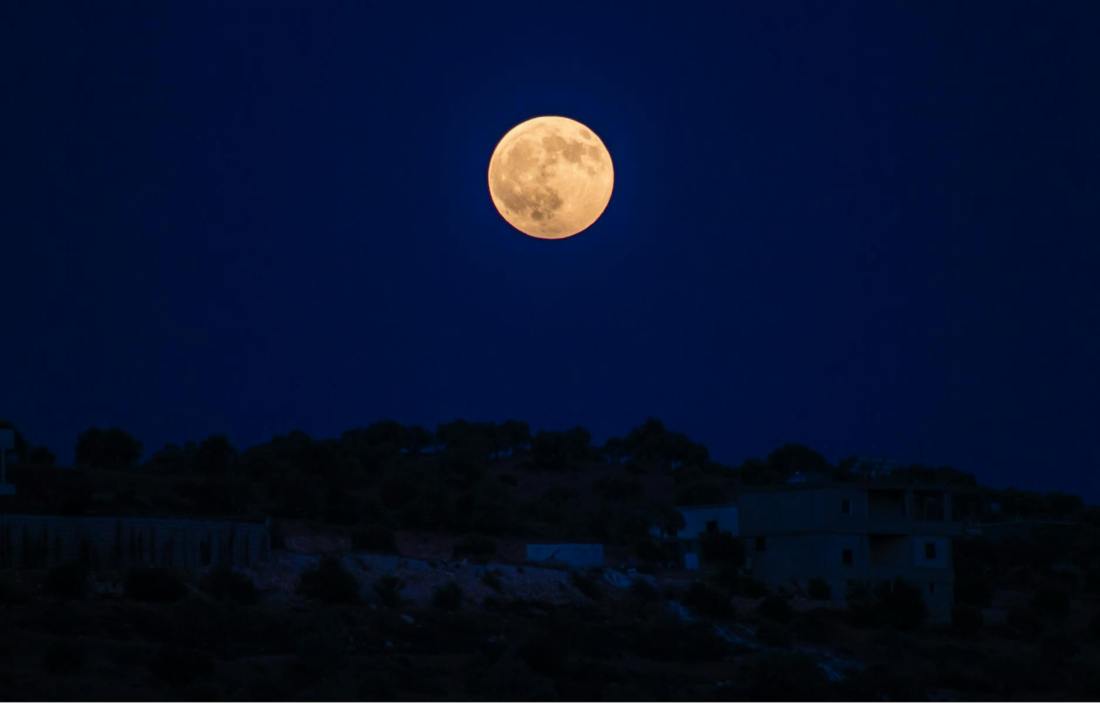
山の端の月Yama no wa no tsukion my path.
Translation by Jane Hirshfield and Mariko Aratani in “The Ink Dark Moon

This poem was addressed to a Buddhist monk named “Shoku” and includes several Buddhist allusions. The most important is the phrase “darkness to darkness”, which comes from chapter seven of the Lotus Sutra:

….from darkness they [living beings] enter into darkness,
to the end never hearing the Buddha’s name [hear the Dharma].

translation by Burton Watson2

This refers to the Buddhist notion of Samsara, the near-infinite, aimless wandering that living beings undergo lifetime after lifetime, like a cosmic rat race. Such beings, who have yet to hear the Dharma [the teachings] of the Buddha, will continue to wander lifetime after lifetime without rest.

Thus, Lady Izumi is asking Shoku to help shine a light in the darkness for her, so that she may find the way [follow the Buddhist path].

I had trouble deciding which blog to put this in, since it covers both themes, but I decided to post here since the poem was introduced in the new historical drama about Lady Murasaki, Izumi’s contemporary.

Lady Izumi was, to put it mildly, a complex woman. She had incredible talent, and found herself in one scandal3 after another as powerful men fell at her feet, plus she earned scorn from other women such as Lady Murasaki. And yet, she was also very kind, devout and struggled to balance both the religious and worldly aspects of her life, while raising her orphaned granddaughter.

Hirshfield and Aratani note that if this poem is indeed her last, the final word she ever wrote was tsuki (月), “moon”.

1 poem 56 in the Hyakunin Isshu (あらざらん)

2 alternate translation by Murano reads: …they go from darkness to darkness, and do not hear of the names of the Buddhas.

3 this was a conservative, narrow, aristocratic society where men frequently had affairs, but it was much more scandalous if women did. The idea that women could want, and enjoy sex, was not something people really accepted at the time.

Compassion: Poem Number 95

Since today is the Buddhist holiday of Bodhi Day, the Enlightenment of the Buddha, I felt this poem would be very suitable:

JapaneseRomanizationTranslation
けなくŌkenakuInadequate, but
うき世の民にUkiyo no tami nithey must shelter the folk
かなŌu kanaof this wretched world—
わがたつそまにWaga tatsu soma nimy ink-black sleeves, having begun to live
墨染の袖Sumizome no sode“in this timber forest that I enter”.
Translation by Dr Joshua Mostow

The author of the poem is by a priest of the Tendai sect of Buddhism named Saki no Daisōjō Jien (先の大僧正慈円, 1155-1225), or “Former Archbishop Jien”. He was the son of the powerful Fujiwara no Tadamichi (poem 76) and nephew of fellow poet Yoshitsune (poem 91) as well as Fujiwara no Teika (poem 97) himself. Although he was from an elite family, he was the 10th son of Tadamichi, and thus extraneous. Like many powerful medieval families in both Europe and Asia, the extraneous kid was sent to a monastery. In this case, the prestigious monastery of Mount Hiei (homepage here), one of two powerful centers of the Tendai sect.

Interestingly, Professor Mostow suspects the poem may actually be an allusion to Emperor Daigo, who was said to have taken off his robe one winter night to suffer the same cold as the people did.

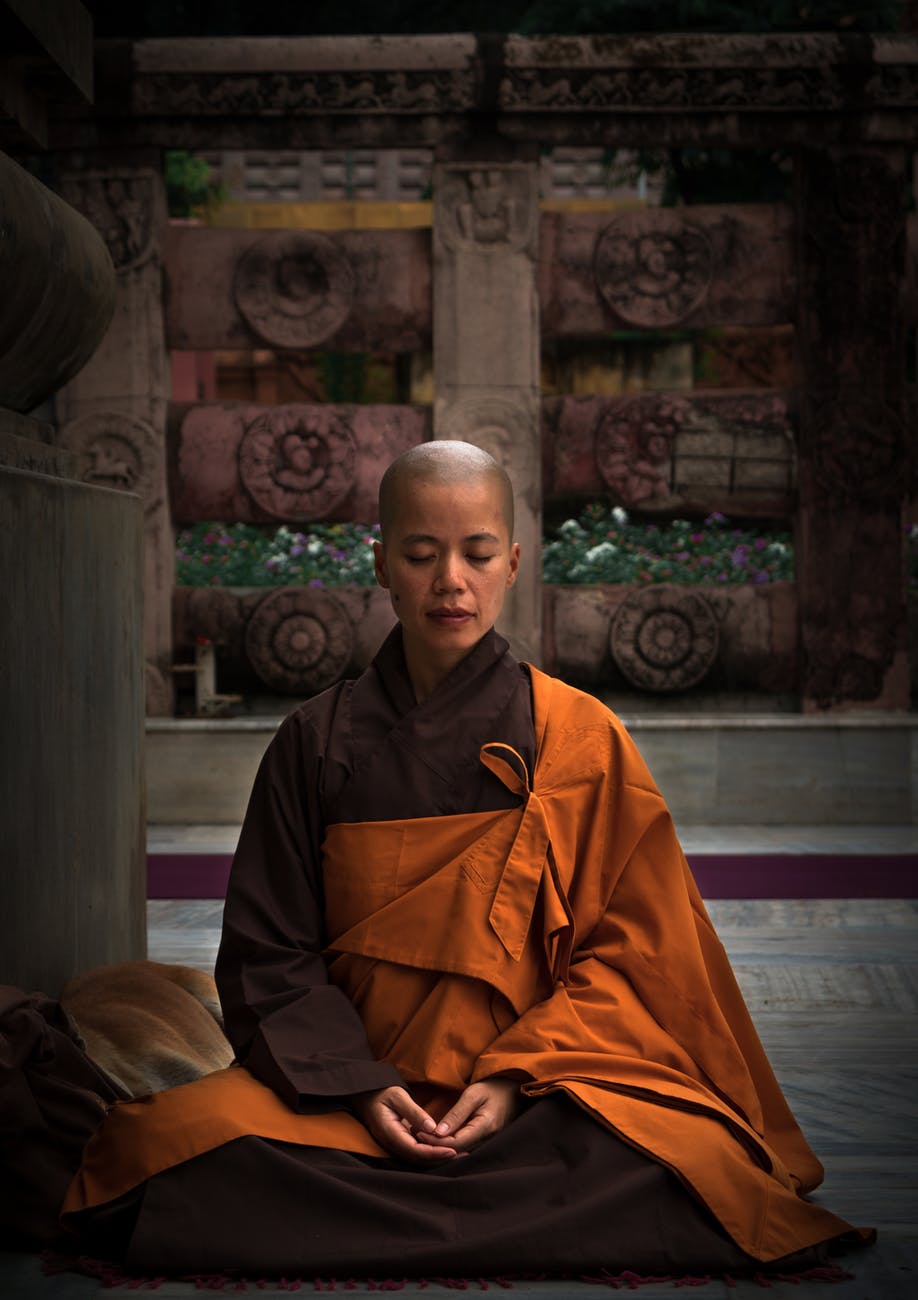
In any case, the last line of the poem is noteworthy because it is a direct quote from the founder of Tendai Buddhism in Japan, Saichō who lived centuries before. So, for many, this has been interpreted as Jien’s vow as a monk to carry on this tradition of compassion for all beings in a world that is transient and marked by suffering. Here, the “ink-black” or sumizome no sodé (墨染の袖) literally means “ink-black sleeves” (sumi is Japanese ink), and is the traditional color that Buddhist priests in East Asia wear. Compare the black sleeves with the orange-ochre robes in Southeast Asia, or red robes in Tibet.

This notion of compassion for all beings is exemplified by the Buddhist notion of a bodhisattva who is a being who is highly advanced on the Buddhist path and has turned outward to help and teach all beings before becoming a Buddha (i.e. enlightened) themselves. An example is a bodhisattva named Kannon (Avalokiteshvara), “who hears the cries of the world”.

Kannon, symbolized here with 1,000 arms, providing aid to all who seek it. Photo taken by me in 2013 at a local Vietnamese temple.

Tendai Buddhism, in particular, reveres the Bodhisattva ideal and practices, and not surprisingly the poem reflects this. In any case, the notion of goodwill and compassion for others is something I hope others find inspiring.

Lonely In Autumn: Poem Number 47

This is a poem a like a lot from the Hyakunin Isshu that vividly expresses the mood of Autumn:

JapaneseRomanizationTranslation
むぐらYaemuguraTo the lonely house
しげれる宿のShigereru yado nowhere the weeds, eight
layers deep,
さびしきにSabishiki nihave grown rank,
人こそ見えねHito koso mienenot a soul can be seen—
秋は来にけりAki wa ki ni keribut autumn, at least,
has come.
Translation by Dr Joshua Mostow

The poet, Egyō Hōshi (恵慶法師, dates unknown) also known by his title “Dharma Master Egyō”, was a Buddhist monk active during the last half of the tenth century. He was the bishop (kōsō 高僧) of a major temple in old Harima Province and often gave lectures. As Professor Mostow explains, he was closely associated with other poets who frequently met at the Kawara Villa on the banks of the Kamo River. According to Mostow, these included Yoshinobu (poem 49) and Motosuke (poem 42) among others. He was also friends with Kanemori (poem 40).

The poem was given as an entry to a poetry contest about the coming of autumn to a ‘dilapidated house’ according to Mostow, but he points out that the “house” in question was probably referring to the Kawara Villa, itself previously owned generations earlier by Minamoto no Toru (poem 14). The juxtaposition between people (who don’t visit) and autumn (which does) makes this poem highly prized.

Given that Egyō is a Buddhist monk, and well-versed in the Buddhist teachings of the effervescence of life, it seems reasonable that he used the house and the seasons to give the poem a bit of a Buddhist theme. Spring gives way to Summer, Summer to Fall, Fall to Winter and so on. In the same way, things rise and fall, and Egyō perhaps wanted to remind his audience that “Autumn” comes sooner or later.