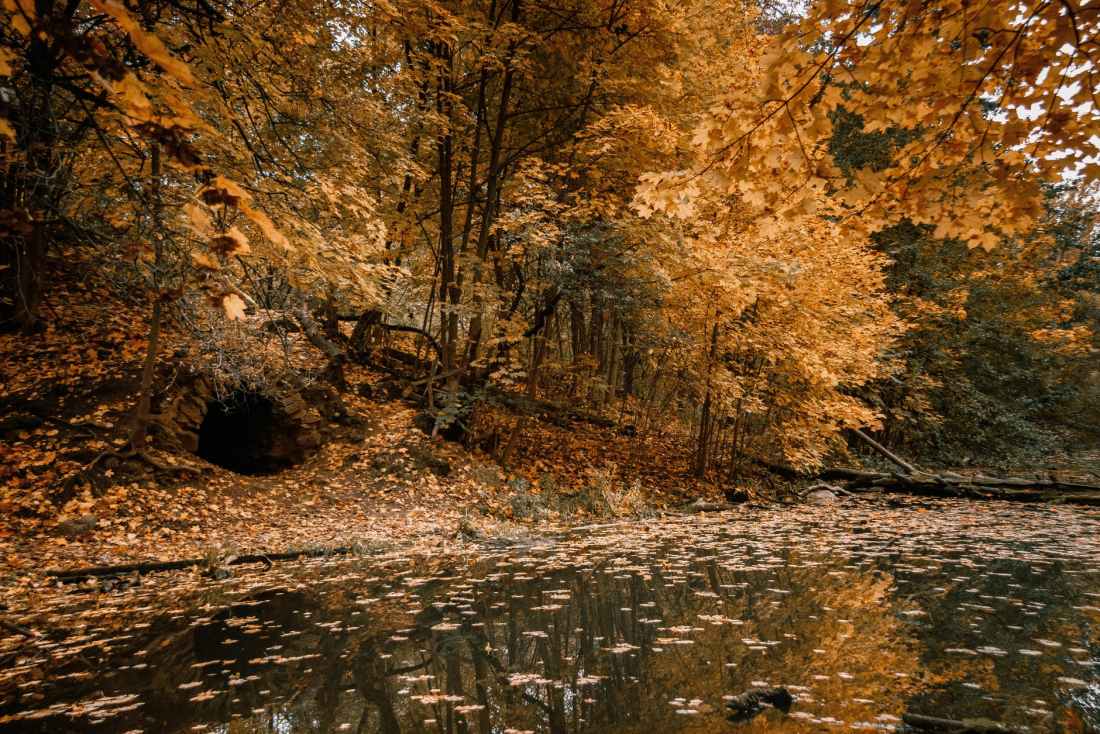
Come See the Fall Leaves: Poem Number 26

Now that fall is full swing this poem seemed fitting:

JapaneseRomanizationTranslation
倉山OgurayamaO autumn leaves
みねのもみMine no mojijibaon the peak of Ogura Hill,
心あらばKokoro arabaif you have a heart,
今ひとたびのIma hitotabi noI would that you would wait
みゆき待たなMiyuki matananfor one more royal progress.
Translation by Dr Joshua Mostow

The author of this poem is Teishinkō (貞信公, 880-949), also known as Fujiwara no Tadahira, a scion of the increasingly powerful Fujiwara clan. The name “Teishinkō” is his posthumous name. The Fujiwara clan’s descendants grew increasingly powerful and ultimately monopolized the government during the Heian Period through intermarriage with the Imperial Family. By this point, you also may have noticed the increasing number of poets in the Hyakunin Isshu with the surname Fujiwara, gradually crowding out other noble families within the Imperial Court.

As Mostow notes, this poem seems to describe an excursion to the Ōi River by retired emperor (上皇, jōkō), Emperor Uda, who comments that his son the reigning emperor (天皇, tennō), Emperor Daigo, should visit too. Hence the author is beseeching the fall leaves to wait for Daigo’s arrival. This visit seems to have led to a seasonal tradition of visiting the Ōi River yearly by the Imperial Family. Further, compare this poem to a similar fall (poem 24), when Uda was still the reigning emperor.

Also, it should be noted that Ogura Mountain is none other than the place where the Hyakunin Isshu itself was compiled.

Side note: there are in fact two Oi Rivers in Japan, one near Kyoto the old capitol, and another in modern Shizuoka Prefecture. Due to location of the Imperial Court, the Emperor and his retinue almost certain visited the near Kyoto. It is, as the photo above helps illustrate, a very scenic and venerable of Japan. It is also mentioned in the Pillow Book by Sei Shonagon (poem 62) in note 59 under “Rivers”.

One other note: the term miyuki in the poem refers to an imperial outing. Such an outing was, naturally, an important occasion and so it has its own term in Japanese. According to the Hyakunin Isshu Daijiten, the “kanji” Chinese characters for miyuki differ if a retired emperor has an outing (御幸), or the current reigning emperor has an outing (行幸).

P.S. Featured photo is the Togetsukyo Bridge near the Ōi River which passes through the Arashiyama district of Kyoto. Photo taken by me in August of 2024.

Poetry as Wordplay: Poem Number 22

The twenty-second poem in the Hyakunin Isshu is a brilliant example of word-play:

JapaneseRomanizationTranslation
ふくからにFuku kara niAs soon as it blows,
秋の草木のAki no kusaki nothe autumn trees and grasses
るればShiorurebadroop, and this must be why,
むべ山風をMube yama kaze oquite rightly, the
mountain wind
あらしといArashi to iuranis called “the ravager.”
Translation by Dr Joshua Mostow

This poem was composed by Fun’ya no Yasuhidé (文屋康秀, ? – 879?), but according to Mostow, it is known that he lived around the time Narihira (poem 17) and Sosei (poem 21). He is also one of the Six Immortals of Poetry. My new book points out that he was upper-sixth rank in the Imperial bureaucracy, a middling rank, so he was a somewhat minor official. And yet as a poet, he achieved great fame.

Yasuhide was also known for carrying on a tryst with Ono no Komachi (poem 9) and invited her to come away with on a retreat to Mikawa Province. She reportedly accepted the offer but other details of the story are unclear.

In any case, from the English translation, it’s hard to see what is so remarkable about this poem, until you look at the last two lines.

The fourth line talks about mountains and wind , but the fifth line mentions the word arashi (あらし) which means “storm” and whose kanji (chinese character) is composed of both mountain and wind . It makes even more sense when you see it on karuta card (yomifuda) for this poem:

Circled in blue is the word arashi (あらし) using hiragana script, but in red are the Chinese characters for mountain and wind. When looked at closely, they also look like the Chinese character for arashi (嵐).

According to the Hyakunin Isshu Daijiten, this poetic method, called moji-asobi (文字遊び) is not limited to this poem, or even Japanese poetry. It appears to be a poetic method employed originally in China, and adopted by early Japanese poets. For example, in the first Imperial anthology, the Kokin Wakashu, you can find this poem by Ki no Tomonori (poem 33 in the Hyakunin Isshu):

JapaneseRomanizationTranslation
雪降ればYuki furebaBecause the snow fell
木毎に花ぞKigoto ni hana zoWhite “blossoms”, one by one,
吹きにけるFukinikeruSprout on the tree.
いづれを梅とIzure wo ume toHow am I to tell the blossoms from the snow
わきて折らましWakite oramashiWithout snapping them off?
Rough translation by me, based on Hyakunin Isshu Daijiten

Here, the word for plums (as well as plum blossoms), umé 梅, is made up of the Chinese characters 木 and 毎 which happen to appear on the second line of the poem.

Pretty clever, really.

In any case, the Hyakunin Isshu Daijiten and Professor Mostow both point out that the word arashi also has a double-meaning. The basic meaning is “storm”, but it is also the noun-form of the verb arasu meaning to ravage, hence the translation above: arashi (荒らし).

Amazing what people could do with a few lines of verse and some Chinese characters. It’s no surprise that the author, Fun’ya no Yasuhide, was counted among the original Six Immortals of Poetry and later the Thirty-Six Immortals.

P.S. Kind of been a while, good to be back. 🙂

P.P.S. Featured photo is a different “Arashi“, photo by Japanese Station, CC BY 3.0, via Wikimedia Commons

Recovering from Japan earthquake, reviving Japanese culture

In light of the terrible damage and trauma from the Great Tohoku Earthquake in Japan, I found this article by the Asahi Shinbun very touching. As mentioned in this post, high-schools in Japan often have a karuta club of some kind devoted to the Hyakunin Isshu poetry anthology, and the game which involves grabbing the right card (カルタ, karuta in Japanese) as the poem is read aloud.

The game involves three people: 2 people who compete, and 1 reader who reads the poem. The two competitors have to find the right card, containing the last two verses of the poem the reader recites. The reader of course uses a card with teh full poem. As the article explains, it’s important to be able to read a poem clearly, with the right tone and rhythm, or the two players might be distracted. The Hyakunin Isshu iPhone app I bought a while ago has nice, professional recitations of each poem.

Anyhow, quite a nice story to read about young people recovering from the Earthquake, and ancient cultural traditions that still thrive admist modern culture and natural disasters. 🙂

A Thousand Swift Swords: Poem Number 17

One of the most famous and recognizable poems in the Hyakunin Isshu is poem 17:

JapaneseRomanizationTranslation
千早ぶるChihayaburuUnheard of
神代もきかずKamiyo mo kikazueven in the legendary age
龍田がわTatsuta-gawaof the awesome gods:
からくれなKarakurenai niTatsuta River in scarlet
みずくくるとはMizu kukuru to waand the water flowing under it.
Translation by Dr Joshua Mostow

The poet, Ariwara no Narihara Ason (在原業平朝臣, 825 – 990) or “Sir Ariwara no Narihara”, was the closest thing to a poetic genius during his time, and this poem is a prime example. Originally published in the Imperial anthology, the Kokin Wakashū, as poem number 294, it is considered one of the most iconic of the one-hundred Hyakunin Isshu poems.

Narihara is also credited for writing what is considered the greatest Waka poem on cherry blossoms (桜, sakura) ever composed:

JapaneseRomanizationTranslation
世の中にYo no naka niIf in all the world
絶えて桜のTaete sakura nothere were of cherry blossoms
なかりせばKanarisebano trace anywhere
春の心はHaru no kokoro waah, how truly peaceful then
のどけからましNodokekaramashispring would be for everyone!
Translation by Dr Josha Mostow and Dr Royall Tyler from the Ise Stories, the poem is also number 53 in the Kokin Wakashū.

Not surprisingly, Narihira was thus considered one of the Six Immortals of Poetry.

Returning to this poem, there is a lot to unpack. The imagery of red, autumn leaves flowing along the river provides a very memorable contrast. The Tatsuta-gawa River can be found in modern-day Nara Prefecture, and is a scenic, gentle flowing river near the town of Ikaruka. I’d love to see it someday. I cover more about the Tatsuta-gawa River and iconic Mt Mimuro in poem 69, but several poems in the Kokin Wakashū anthology also refer to fall leaves floating on it.

Also, it should be noted that the fourth line is an example of a traditional Japanese color word.

Lastly, the opening line of this poem, chihayaburu, is a prime example of “pillow words” in Japanese poetry. It literally means something like “a thousand swift swords”, but really is an honorific epithet when referring to the gods, similar to how Homer used to use special epithets for each of the Olympian gods. Nevertheless, it’s a famous line, and can be found in Waka poetry written even in modern times, and is also the title of the popular manga exploring the Hyakunin Isshu card game.

If there is one poem worth learning in all the Hyakunin Isshu, I would argue, it is this one.

Battle of the Love Poems, part 2: Poem Number 41

In our last episode, we talked about a famous poetry contest in 960 which pitted two excellent poems against one another. For fans of the anime Chihayafuru, this contest is also mentioned in season one episode 23. Poem 40 by Taira no Kanemori was judged the winner, and this poem was the loser, though only just barely:

JapaneseRomanizationTranslation
こいてふちょうKoisu chōMy name already
我が名はまだきWaga na wa madakiis bandied about with
立ちにけりTachi ni kerirumors I’m in love—
人しれずこそHito shirezu kosothough, unknown to
anyone, I thought,
そめしかOmoi someshi kaI had only just begun
to love her!
Translation by Dr Joshua Mostow

The author Mibu no Tadami (壬生忠見, dates unknown), son of Mibu no Tadamine (poem 30) was not a high-ranking or successful member of the Court. It is said that Tadami often appeared in provincial clothes and behaved like a country bumpkin. Even so, like his father, his skills as a poet earned him acclaim. Thus he was included among the Thirty Six Immortals of Poetry.

Mostow points out that even though the poem won 2nd place, it has been highly prized throughout the ages, just as poem 40 has been. According to my new book, what made this poem so prized is the way it inverts things between the upper verses (unrequited love) and lower verses (I have to hide it anyway from public eye). The ni keri in the third verse is an archaic way of expressing regret (poem 40 uses it too), or grumbling.

Mibu no Tadami was said to be so distraught over losing the contest that he wasted away and died, though this story may not have actually happened. Mostow points out that additional poems by the author in later collections, suggest that he was alive and active for many years to come. Nonetheless, although the story of Tadami’s death is a fabrication, it is likely, given his prospects, that Tadami was bitter over the loss.

Battle of the Love Poems, part 1: Poem Number 40

Another poem on the theme of love. Many of the poems from 40-50 share this common theme…

JapaneseRomanizationTranslation
忍ぶれどShinoburedoEven though I hide it,
色に出でにけりIro ni ide ni keriit shows all over my face,
わが恋はWaga koi wasuch is my longing,
物や思Mono ya omou toso that people ask me
人の問までHito no tou made“What are you thinking about?”
Translation by Dr Joshua Mostow

According to Mostow’s book, this poem by Taira no Kanemori (平兼盛, ? – 990) was part of a famous poetry contest in 960, and was pitted against Mibu no Tadami (poem 41). Both were recited under the theme of hidden love. For fans of the anime Chihayafuru, this contest is also mentioned in season one episode 23.

The judges couldn’t decide which poem was the winner, so after consulting with other poetry experts (who also couldn’t decide), they came before Emperor Murakami and sought his opinion about which poem was superior. According to the story, the Emperor hummed to himself the verses from this poem under his breath, tactfully judging Taira no Kanemori’s poem the winner.

My new book points out that what makes this poem highly prized (along with Tadami’s poem) is the excellent use of prose. It isn’t just that the character is hiding love, but that it’s become painfully obvious to everyone around them, and they are compelled to ask. The ni keri in the second verse is an archaic way of expressing regret (poem 41 uses it too), or grumbling so it has a natural sound to it. Mostow’s opinion agrees with the excellent style, mixed with a more natural style at the end. Anyone who’s been secretly in love before can certainly sympathize.

Taira no Kanemori is also one of the Thirty-Six Immortals of Poetry (sanjūrokkasen, 三十六歌仙), and was friends with Egyo Hoshi (poem 47). According to my new book, there is a theory that his daughter is Akazomé Emon (poem 59). He had divorced Emon’s mother, but she was already pregnant. Further, after she remarried and gave birth to Emon, Kanemori petitioned to have parental rights but ultimately failed.

The Taira Clan or Heike (平家), which Kanemori belongs, was not particular powerful at this time, but would later dominate Japanese politics centuries later under Taira no Kiyomori, only to be tragically swept aside in the disastrous Genpei War by their rivals, the Minamoto.

Getting Old: Poem Number 34

A nice reminder about getting older is poem number 34:

JapaneseRomanizationTranslation
誰をかもTare o kamoWhom, then, shall I have
知る人にせShiru hito ni senas someone who knows me—
高砂のTakasago nosince even the ancient pines
松もむかしのMatsu mo mukashi noof Takasago
友ならなくにTomo nara naku niare not friends from my past.
Translation by Dr Joshua Mostow

The author, Fujiwara no Okikaze (藤原興風, dates unknown), was one of the Thirty-Six Immortals of Poetry according to Mostow, but few other details about his life are known. He is the great-grandson of nobleman Fujiwara no Hamanari, and is thought to have lived around the same time as Kii no Tsurayuki (poem 35) and Kii no Tomonari (poem 33).

Takasago is a famous city on Harima Bay in Japan, in what is now modern-day Hyōgo Prefecture. Since antiquity, Takasago was famous known for its pine forests. The featured photo above is a sacred pine tree at Takasago Shrine (photo by , Public domain, via Wikimedia Commons). Takasago is also mentioned in poem 71. The most famous sacred pine tree at Takasago Shrine is the Aioi no Matsu (相生の松), which has been growing since the temple’s foundation. The pine trunk splits into two, and thus has become a symbol of marital harmony between husband and wife.

Further, my new book states that Takasago was such a iconic place, associations were often drawn between it and Sumi-no-e Bay (poem 18), with Sumi-no-e being the “husband” and Takasago the “wife”.

Even so, this poem takes as different turn and reflects on the loneliness of growing older. Given that Fujiwara no Teika (poem 97) was 79 at the time of compiling the Hyakunin Isshu, perhaps he felt a sense of kindred spirits when selecting this poem?

Summer Weather: Poem Number 2

One of my favorite poems in all the Hyakunin Isshu is also one of the first:

JapaneseRomanizationTranslation
春過ぎてHaru sugiteSpring has passed, and
夏来にけらしNatsu ki ni kerashisummer has arrived, it seems
白たShirotae noHeavenly Mount Kagu
衣ほすてふちょうKoromo hosu chōwhere, it is said, they dry robes
あまの香具山Ama no Kaguyamaof the whitest mulberry!
Translation by Dr Joshua Mostow

The author of this iconic poem was Jitō Tennō (持統天皇, 645 – 702) known in English as Empress Jitō. Originally Princess Unonosarara, she was the daughter of Emperor Tenji (poem 1), and later his sister-in-law after Tenji forced her to marry his brother (later Emperor Tenmu). In any case, she became the Empress after her husband Tenmu died, and reigned for 11 years. Female emperors were quite rare in Japanese history, by the way, so her reign was pretty noteworthy. Empress Jito proved to be a powerful and effective empress, a patron of the arts who promoted cherry-blossom viewing, completed the new capital of Fujiwara-kyō, but also ruthless toward potential political rivals as well as in the case of her step-son/nephew Prince Otsu.

This poem in general causes a lot of headaches for commentators and translators over generations because of the confusing relation between certain lines. Further, a second slightly different version of the poem exists in the Manyoshu poetry anthology (book 1, poem 28), with differences highlighted:

Original
Manyogana
JapaneseRomanizationTranslation adapted
from Dr Mostow’s1
春過而春過ぎてHaru sugiteSpring has passed, and
夏来良之夏来るらしNatsu kitaru rashisummer is coming, it seems
白妙能白たShirotae noHeavenly Mount Kagu
衣乾有衣干したりKoromo hoshitariwhere, it is said, they are drying robes
天之香来山あめの香具山Ame no kaguyamaof the whitest mulberry!
1 Special thanks to “Cameron” for helpful insights in making sense of the alternate version. Also, any translation mistakes are my own, not Dr Mostow’s.

According to Mostow, there’s a lot of uncertainty about what’s being dried, what does it stand for, and whether the scene is directly observed or not. One further note about the pillow word shirotae (白妙) in the third line, Mostow explains that the word tahe/tae refers to a kind of Paper Mulberry plant. So this is not just paper, but gleaming white paper.

Also, where is this famous Mount Kagu? Mount Kagu, more formally known as Amanokagu in Japanese,2 is one of three peaks called the Yamato Sanzan (大和三山, Three Peaks of [old] Yamato) or the Sanrinzan (三輪山) which are pictured here. These mountains are:

  • 畝傍山, Unebi-yama
  • 耳成山, Miminashi-yama
  • 天香具山, Ama-no-kaguyama (e.g. Mount Kagu)

Yamato is among the oldest parts of Japan as we know it, so these mountains, while small by standards of Mt. Fuji, have held important cultural significance since the beginning. Since antiquity, it was believed that all three mountains were inhabited by Shinto kami,3 and thus sacred spaces. Miminashi-yama and Ama-no-kaguyama were said to be inhabited by male kami, who competed for the affection of Unebi-yama, a female kami.

Ama-no-kaguyama with purple Cosmos flowers in the foreground. The remnants of the ancient capital of Fujiwara-kyo can also be seen to the right. Photograph by Ajax, CC BY-SA 4.0, via Wikimedia Commons

The ancient imagery of such a venerable old mountain, couple with such vivid imagery of a sunny, warm summer day are among the reasons why I like this poem so much. 🙂

2 The Manyoshu version of the poem alternatively spells it as ame-no-kaguyama, which is an obscure though valid way to read 天. I am not sure why both versions of the poem are read slightly differently.

3 Although kami is usually translated as a “god” in English, it helps to think of them more like ancient Greek gods, than the modern concept. Ancient Greek religion had gods both large and small, so the English word “divinity” might be more accurate?

A Short Parting: Poem Number 16

I thought this was a cool, simple poem:

JapaneseRomanizationTranslation
立ち別れTachiwakareEven if I depart
いなばの山のInaba no yama noand go to Inaba Mountain,
みねにおMine ni ōruon whose peak grow
まつとし聞かばMatsutoshi kikabapines, if I hear you pine for me,
かえり来Ima kaeri konI will return straightaway to you.
Translation by Dr Joshua Mostow

This poem is a great example of the word-play you often see in Japanese poetry of the time. The word “matsu” in the fourth line can mean a pine tree (松) or to wait (待つ), which are both applicable here. It even works in the English translation! You see this kind of thing a lot in Japanese because homonyms are so common compared to English. In particular the author is talking about the pine trees on Inaba Mountain (稲羽山) in Inaba Province as explained below.

As for the author, this was composed by Chūnagon Yukihira (中納言行平, 818-893), or “Middle Counselor Yukihira”, who was the older brother of Narihira (poem 17). Like all nobles who served in the Heian Court at the time, he was assigned to a post in a remote province for a term of service. In Yukihira’s case, he served a term as governor in Inaba Province (inaba no kuni 因幡の国), modern-day Tottori Prefecture, for two years, but this poem is his parting words at his farewell party.

The word inaba is a great example of a “pivot word” (kakekotoba, 掛け言葉) because it is both word-play and an central to the meaning of the poem. Inaba is the name of the province that Yukihira is assigned to, but it also means, according to Mostow, “(Even) if I leave”. Pretty clever.

Like many nobles of his time caught up in political intrigues, Yukihira was later exiled, and his exile along with his poetic association with pine trees became the subject of famous Nō dramas and in literature as well. According to Mostow, his exile was the inspiration behind part of the Tales of Genji.

Sleeping Alone: Poem Number 3

This is one of my favorite poems as of late:

JapaneseRomanizationTranslation
あしびきのAshibiki noMust I sleep alone
山鳥の尾のYamadori no ō nothrough the long autumn nights,
しだり尾のShidari no ō nolong like the dragging tail
ながながし夜をnaga nagashi yo woof the mountain pheasant
ひとりかもねむhitori kamo nenseparated from his dove?
Translation by Dr Joshua Mostow

The author of this poem Kakinomoto no Hitomaro (柿本人麻呂, dates unknown), was one of the pre-eminent poets of the Asuka Period in Japan, and contributed to the Manyoshu anthology as well. According to my new book, he served in the courts of emperors Tenmu, Jitō (poem 2), and Monmu as a kind of “court poet” (kyūtei-kajin, 宮廷歌人). During official outings, or former occasions, the court poet was relied upon to compose a fitting poem for the occasion. So revered was Hitomaro at his job that he, alongside his contemporary Yamabe no Akahito (poem 4), were later called kasei (歌聖, “saints of poetry”).

Hitomaro is also possible candidate for authorship of the famous iroha poem: a poem that uses every hiragana letter only once.

While the poem above looks like any other love poem, the composition, imagery, rhythm and such, make this one really stand out. 😁

The yamadori (山鳥) is actually a species of bird called the Copper Pheasant, known for its long tail, and is our featured photo for today (photo by KKPCW, CC BY-SA 4.0, via Wikimedia Commons). There’s a great photo here as well. Traditionally, it was thought that the male and female birds slept separately at night, hence Hitomaro was comparing this to his own feeling of loneliness.

One thing I like about this poem, and why I have a particular interest in it, is the repetitive sounds using の (no) throughout. If you recite the poem out loud, it has a particularly nice rhythm to it, and for me it is thus easy to memorize/recite. Try it out and you’ll see what I mean. The frequent use of の also links various words together in a way that stretches out the verse. Thus, Hitomaro isn’t sleeping alone, it feels like a looooooong night alone.

According to the Hyakunin Isshu Daijiten, there are certain birds in Japanese culture that are frequently used to represent autumn. In addition to the Copper Pheasant, other birds include:

  • The wild goose (kari, 雁)
  • The quail (uzura, うずら)
  • The bull-headed shrike, or Lanius bucephalus (mozu, もず)

More on seasonal birds in this post.

The opening verse of this poem is also a nice example of pillow words in the Hyakunin Isshu, originally taken from the Manyoshu.

Finally, one thing to note is that my new book about the Hyakunin Isshu suggests the authorship of this poem is doubtful. In the original Manyoshu anthology, this poem was listed as “author unknown”, poem number 2802, and looked noticeably different:

Original ManyoganaModern JapaneseRomanizationRough Translation1
念友思へどもOmoedomoEven as I try not to think about it,
念毛金津思ひもかねつOmoi mo kanetsuI can’t help but think
足桧之あしひきのAshihiki nohow long this night will
山鳥尾之山鳥の尾のYamadori no ō nobe, like the tail of a
永此夜乎長きこの夜をNagaki kono yo wocopper pheasant.
1 Rough translation by me, apologies for any mistakes.

… but by the time of Fujiwara no Teika (poem 97, こぬ) who compiled the Hyakunin Isshu, it was probably assumed to be Hitomaro. Teika might know something we don’t today though, so it’s quite possibly Hitomaro’s poem, but sadly we’ll never know for sure. But this mystery of how the poem came to be will be covered in a future post someday.