For the end of the year, I wanted to share a poem compsed by Otomo no Yakamochi, the compiler of the Manyoshu:
Original Manyogana
Modern Japanese
Romanization
Rough Translation
新
新しき
Aratashiki
Just as the
年乃始乃
年の初めの
Toshi no hajime no
new-fallen snow
波都波流能
初春の
Hatsu haru no
of this New Year’s day
家布敷流由伎能
今日降る雪の
Kyo furu yuki no
piles up, so too do
伊夜之家餘其騰
いやしけ吉事
Iyashike yogoto
auspicious tidings.
Poem 4516, chapter 20, rough translation by me.
The headline of the poem explains that that particular New Year’s day experienced record snowfall, and so Yakamochi recited this poem for the occasion.
Also, a note on translation: the poem as written in Japanese doesn’t say “new year”, but actually says “first spring”. This is because in the traditional Chinese calendar (which Japan used for many centuries) the New Year began early Spring, not mid-winter as we do in the West (i.e. January 1st). This is true even now in Chinese culture: Lunar New Year usually begins in late January or February depending on lunar cycles. Thus, many traditional phrases related to New Year in Japan literally say “Spring”, for example shinshun (新春, “new spring”) or geishun (迎春, “welcoming spring / new year”). This poem is no exception.
So with that, I wish you all a wonderful 2026, and a happy, joyous new year. May your good fortune pile up like snow!
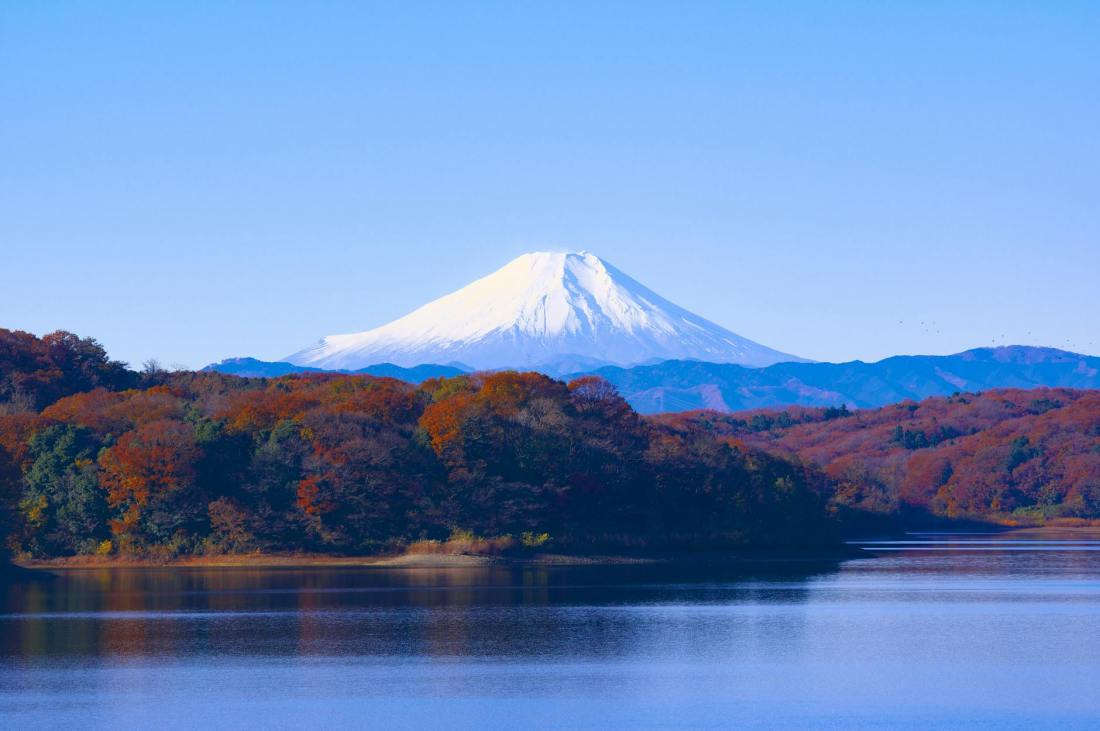
P.S. According to Japanese tradition, if you dream about Mount Fuji, an eagle, or eggplant during the first sleep after New Year, you will have an extra good year.
Recently, I finally finished my book on the Manyoshu. I can’t read Japanese fast, so it took me a year to finish, but it was satisfying to finish an adult-level book in another language, even if I relied heavily on dictionaries. I learned a lot! I hope you enjoyed some of the related posts here too.
Anyhow, the end of the book explored some miscellaneous poems, and this one really stood out to me for its Buddhist theme, and the unusual format. This is poem 3852:
Original Manyogana
Modern Japanese
Romanization
Rough Translation
鯨魚取
鯨魚取り
Isanatori
While fishing, I wonder
海哉死為流
海や死にする
Umi ya shinisuru
if the seas will die,
山哉死為流
山や死にする
Yama ya shinisuru
and the mountains die
死許曽
死ぬれこそ
Shinure koso
They will surely die
海者潮干而
海は潮干て
Umi wa shiohite
for the tides recede,
山者枯為礼
山は枯れすれ
Yama wa karesure
and the mountains wither.
This poem is a rare example of a Japanese sedōka-style ( 旋頭歌 ) poem, which has 5-7-7-5-7-7 syllables. Compare this to the later waka style poem of the Hyakunin Isshu (and the vast majority of the poems in this blog) which are 5-7-5-7-7, and haiku which are 5-7-5. Sedoka poems are an early stage of Japanese poetry that wasn’t used much beyond that as Waka (then later Haiku) became more popular.
Still, this poem is quite interesting. In fact, it was used in a famous Japanese pop song a few generations ago.
Nonetheless, the Buddhist themes of impermanence are hard to miss here, even with my amateur translating skills. The poet asks if even the seas and mountains will wither and die, and indeed, since the tides come in and out, and the mountains dry up (during the summer?), this can only mean “yes”, they won’t last forever.
Similarly, there is another Buddhist poem in the Manyoshu worth looking at:
The two oceans maybe an allusion that mirrors Shandao’s Parable of the Two Rivers (in my other blog), or the general Japanese-Buddhist concept of Ohigan. We also see the theme of mountains drying up, and seas receding again.
But if you thought this was vague, poem 3850 is even more straightforward in its meaning:
This poem alludes to another place, which again can mean the world of peace or enlightenment, or allude to the notion of a Buddha’s Pure Land. It doesn’t specify which Buddha (Amida, Shakyamuni, etc), but I am inclined toward this latter interpretation. I suppose it doesn’t really matter. The sentiment is the same: this world is impermanent and troublesome, and the author longs for something better, but is unsure of the path to follow.
I think we can all empathize with this at some point in our lives…


 The Hyakunin Isshu