

Hello dear readers,
For the end of the year, I wanted to share a poem compsed by Otomo no Yakamochi, the compiler of the Manyoshu:
| Original Manyogana | Modern Japanese | Romanization | Rough Translation |
|---|---|---|---|
| 新 年乃始乃 波都波流能 家布敷流由伎能 伊夜之家餘其騰 | 新しき 年の初めの 初春の 今日降る雪の いやしけ吉事 | Aratashiki Toshi no hajime no Hatsu haru no Kyo furu yuki no Iyashike yogoto | Just as the new-fallen snow of this New Year’s day piles up, so too do auspicious tidings. |
The headline of the poem explains that that particular New Year’s day experienced record snowfall, and so Yakamochi recited this poem for the occasion.
Also, a note on translation: the poem as written in Japanese doesn’t say “new year”, but actually says “first spring”. This is because in the traditional Chinese calendar (which Japan used for many centuries) the New Year began early Spring, not mid-winter as we do in the West (i.e. January 1st). This is true even now in Chinese culture: Lunar New Year usually begins in late January or February depending on lunar cycles. Thus, many traditional phrases related to New Year in Japan literally say “Spring”, for example shinshun (新春, “new spring”) or geishun (迎春, “welcoming spring / new year”). This poem is no exception.
So with that, I wish you all a wonderful 2026, and a happy, joyous new year. May your good fortune pile up like snow!
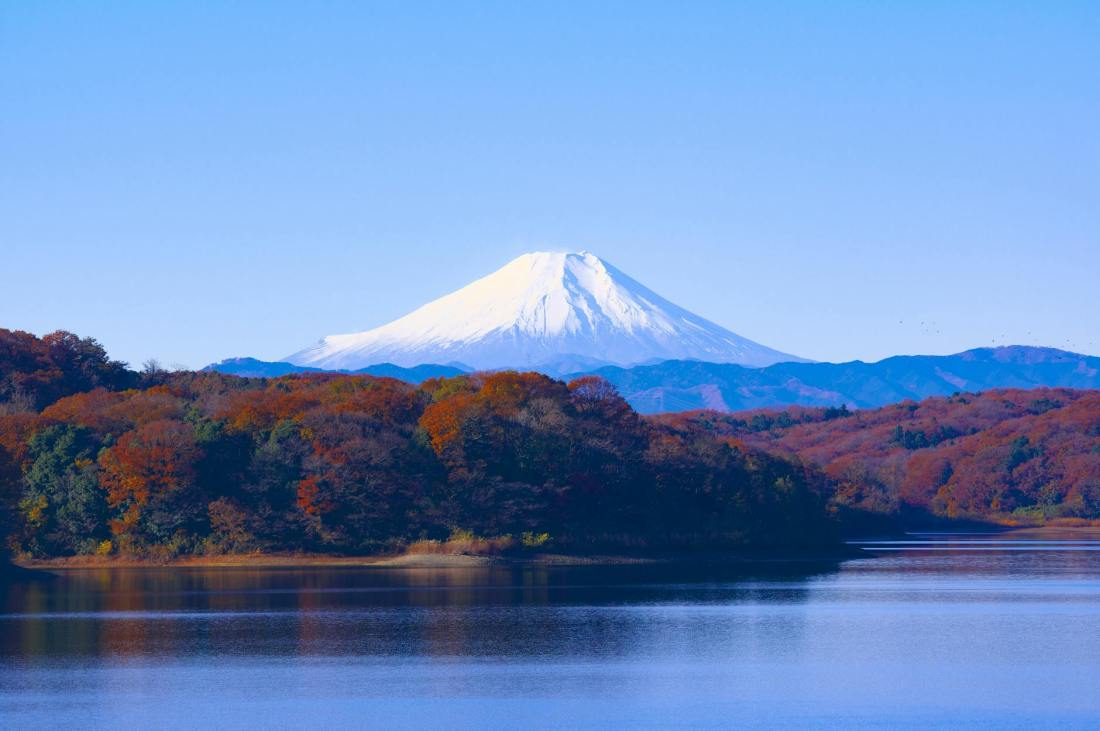
P.S. According to Japanese tradition, if you dream about Mount Fuji, an eagle, or eggplant during the first sleep after New Year, you will have an extra good year.

