Spring or Fall: Which is Better?

As fall is approaching, I wanted to share an interesting anecdote provided by my book on the Manyoshu. It seems that throughout Japanese antiquity, poets frequently debated which is better: spring or fall.

The first example comes from Princess Nukata in the 7th century, whom we discussed here and here, she wrote a lengthy poem (a chōka poem, not the usual tanka poem) in the Manyoshu (poem 16). She discusses the pros and cons of spring and of fall:

Original Manyogana1JapaneseRomanizationRough Translation2
冬木成 春去來者 冬ごもり 春さり來れば Fuyu gomori haru sari kurebaWhen winter passes and spring comes
不喧有之 鳥毛来鳴奴鳴かざりし鳥も來鳴きぬNakazarishi tori mo nakinuBirds that didn’t sing before, now come and sing
不開有之 花毛佐家礼抒 山乎茂咲かざりし 花も咲けれど 山を茂みSakazarishi hana mo sakeredo yama wo shigemiFlowers that didn’t bloom before now bloom, but because the mountains grass is so thick
入而毛不取 草深 執手母不見入りても取らず 草深み 取り手も見ずIrite mo torazu kusabukami torite me mizuOne cannot go and pick flowers, let alone see them.
秋山乃 木葉乎見而者 秋山の 木の葉を見ては Aki yama no ko no ba wo mite waWhen you look at the leaves in the mountains during fall,
黄葉乎婆 取而曾思努布黄葉をば 取りてそしのふMomiji wo ba torite soshi no fucollecting the yellow leaves is especially prized.
青乎者 置而曾歎久青きをば 置きてそ歎くAoki wo ba okite so nagekuLeaving the green leaves as they are is regrettable.
曾許之恨之 秋山吾者そこし恨めし 秋山われはSokoshi urameshi akiyama ware waIn spite of that, autumn in the mountains is spectacular…
a – I am heavily indebted to this site for both the original text. Translation is based in part on that site, but also my Manyoshu book, but probably lots of mistakes. Translating a five-line poem in archaic Japanese is hard enough… 😅

Speaking of the Manyoshu, its compiler Otomo no Yakamochi (poem 6 of the Hyakunin Isshu, かさ) left us some very nice poetry about spring:

Original Manyogana1JapaneseRomanizationRough Translation2
春苑春の苑Haru no sonoBeneath
紅尓保布紅にほふKurenai ni hofuthe shining crimson
桃花桃の花Momo no hanaorchard of
下照道尓下照る道にShita deru michi nipeach blossoms
出立オ嬬出で立つ少女Idetatsu otomea young maiden lingers.
Poem 4139, book 19

and about fall:

Original Manyogana1JapaneseRomanizationRough Translation2
秋去者秋さらばAki sarabaWhen fall comes
見乍思跡見つつ思Mitsutsu shinoe tothink fondly of those
妹之殖之妹が植Imo ga ue shipink blossoms
屋前乃石竹やどのなでしこYado no nadeshikoof days gone by
開家流香聞咲きにけるかもSaki ni keru kamoand remember me.
Poem 464, book 3

Otomo no Yakamochi wrote both of these poems about his beloved wife, but the second was composed shortly after her parting. The word nadeshiko has special meaning in Japan and has a very feminine, demure3 meaning.

Returning to the debate between spring and fall, Ki no Tsurayuki (poem 35 of the Hyakunin Isshu, ひとは) took up the same topic centuries later. This is poem 509 from an imperial anthology, the Shuishu :

JapaneseRomanizationRough Translation2
春秋にHaru aki niSpring or Fall?
おもみたれてOmoi mitareteMy thoughts are a mess,
わきかねつWaki kanetsuand I cannot decide.
時につけつつToki ni tsuketsutsuThe more time passes,
うつるこころUtsuru kokoro wathe more my heart shifts back and forth.
1 This is a rough translation, all mistakes are my own.

The debate was even cited in the famous 12th century novel Tales of Genji written by Lady Murasaki (poem 57 of the Hyakunin Isshu, め):

春秋の争ひに、昔より秋に心寄する人は数まさりけるを、名立たる春の御前の花園に心寄せし人びと、また引きかへし移ろふけしき、世のありさまに似たり。

“Since antiquity, in the debate about spring versus fall, many people lean toward fall, and yet some very noteworthy people who view the Imperial gardens in spring may yet change their mind, as is the way of the world.”

Princess Nukata all the way back in the Manyoshu seemed to imply that autumn was preferable, and it seems that most of the aristocracy shared this view. In fact if we divide up the poems of the Hyakunin Isshu by season, there are more fall poems than spring:

Spring Poems, first verse listedFall Poems, first verse listed
Hana no iro (poem 9)
Kimi ga tame haru (poem 15)
Hito wa isa (poem 35)
Inishie no (poem 61)
Morotomo ni (poem 66)
Haru no yo no (poem 67)
Takasago no (poem 73)
Hana sasou (poem 96)
Aki no ta no (poem 1)
Ashibiki no (poem 3)
Okuyama ni (poem 5)
Waga io wa (poem 8)
Chihayaburu (poem 17)
Ima kon to (poem 21)
Fuku kara ni (poem 22)
Tsuki mireba (poem 23)
Kono tabi wa (poem 24)
Ogurayama (poem 26)
Kokoroate ni (poem 29)
Yamagawa ni (poem 32)
Shiratsuyu wo (poem 37)
Yaemugura (poem 47)
Arashi fuku (poem 69)
Sabishisa ni (poem 70)
Yū sareba (poem 71)
Akikaze ni (poem 79)
Yo no naka yo (poem 83)
Nageke tote (poem 86)
Murasame no (poem 87)
Kirigirisu (poem 91)
Miyoshino no (poem 94)
Note: summer only has 4 poems, winter has 9 (same as spring).

But what do you think? Are you Team Spring, or Team Fall?

Edit: added Hyakunin Isshu poetry chart.

1 If you’re wondering why I post Manyogana for some poems, but not others, it depends on the era. The Manyoshu is the oldest anthology by far, and at that time, there was a brief writing system that took Chinese characters, but used them in a phonetic way for Japanese language (a.k.a. Manyogana). By the time of Ki no Tsurayuki and Lady Murasaki, centuries later, this had been replaced with hiragana script. This blog strives to both be accurate and accessible, so I try to balance both needs.

2 These are all rough translations on my part, and likely have mistakes. Any such mistakes are entirely my own.

3 Not to be confused with the “very demure, very mindful” meme. 😛
From Darkness Into Darkness: Lady Izumi’s Final Poem

In a lesser-known Imperial poetry anthology called the Shui Wakashu (拾遺和歌集), poem 1342, is recorded what is believed to be Lady Izumi’s1 final poem:

JapaneseRomanizationTranslation
暗きよりKuraki yoriThe way I must enter
暗き道にぞKuraki michi ni zoleads through darkness to darkness —
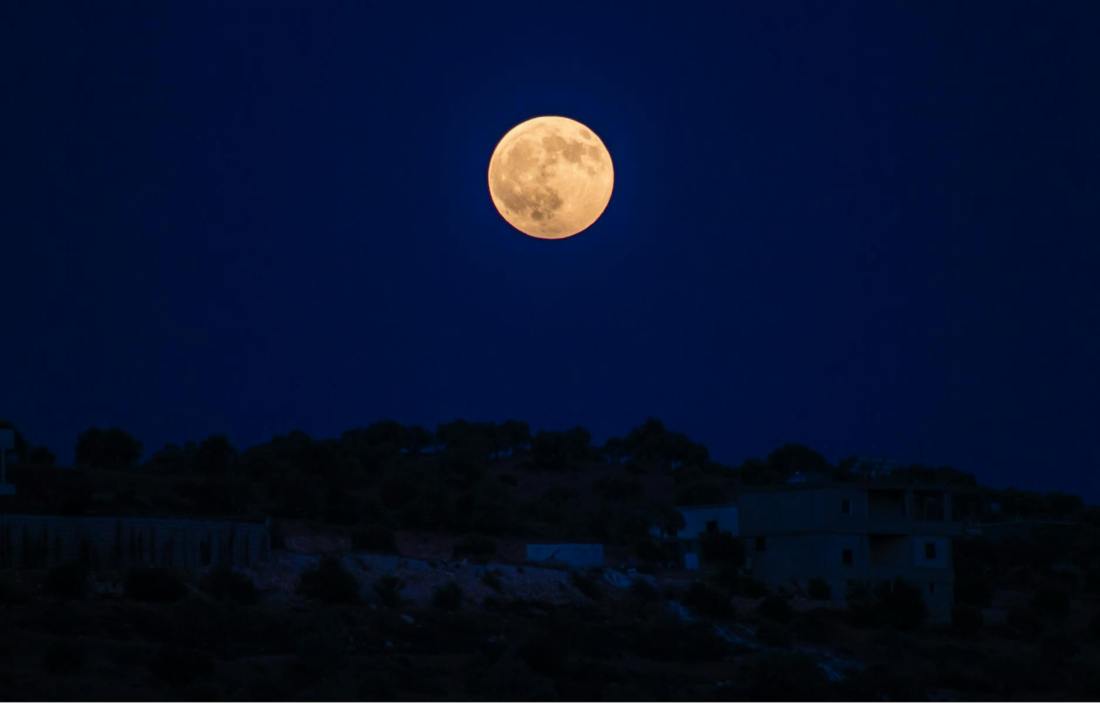
入りぬべきIrinu bekiO moon above the mountains’ rim
はるかに照らせHaruka ni teraseplease shine a little further
山の端の月Yama no wa no tsukion my path.
Translation by Jane Hirshfield and Mariko Aratani in “The Ink Dark Moon

This poem was addressed to a Buddhist monk named “Shoku” and includes several Buddhist allusions. The most important is the phrase “darkness to darkness”, which comes from chapter seven of the Lotus Sutra:

….from darkness they [living beings] enter into darkness,
to the end never hearing the Buddha’s name [hear the Dharma].

translation by Burton Watson2

This refers to the Buddhist notion of Samsara, the near-infinite, aimless wandering that living beings undergo lifetime after lifetime, like a cosmic rat race. Such beings, who have yet to hear the Dharma [the teachings] of the Buddha, will continue to wander lifetime after lifetime without rest.

Thus, Lady Izumi is asking Shoku to help shine a light in the darkness for her, so that she may find the way [follow the Buddhist path].

I had trouble deciding which blog to put this in, since it covers both themes, but I decided to post here since the poem was introduced in the new historical drama about Lady Murasaki, Izumi’s contemporary.

Lady Izumi was, to put it mildly, a complex woman. She had incredible talent, and found herself in one scandal3 after another as powerful men fell at her feet, plus she earned scorn from other women such as Lady Murasaki. And yet, she was also very kind, devout and struggled to balance both the religious and worldly aspects of her life, while raising her orphaned granddaughter.

Hirshfield and Aratani note that if this poem is indeed her last, the final word she ever wrote was tsuki (月), “moon”.

1 poem 56 in the Hyakunin Isshu (あらざらん)

2 alternate translation by Murano reads: …they go from darkness to darkness, and do not hear of the names of the Buddhas.

3 this was a conservative, narrow, aristocratic society where men frequently had affairs, but it was much more scandalous if women did. The idea that women could want, and enjoy sex, was not something people really accepted at the time.

The Birds of the Hyakunin Isshu

Waka poetry, including the Hyakunin Isshu has a lot of conventions and symbols used to express certain seasons or sentiments. This is not so unusual. For example, if someone in the US writes a poem about the smell of cinnamon, it definitely brings to mind late autumn or winter.

One common example in the Hyakunin Isshu of poetic symbolism are birds. Birds have distinctive calls, and different species tend to be prominent at different times of year, among other things. For this post, I included a lot of poetry from the Imperial anthology, the Kokin Wakashu, which is much larger than the 100 poems of the Hyakunin Isshu, and thus easier to find examples.

Spring

The most prominent bird in Spring is the uguisu, the Japanese Bush Warbler, also called the Japanese Mountain Thrush:

Photo by Alpsdake, CC BY-SA 3.0, via Wikimedia Commons

The uguisu’s distinctive bird call is very emblematic of the season.

The bird call of the uguisu sounds like ho-ho-ke-kyo, which to Japanese people sounds similar to a famous Buddhist text called the Lotus Sutra (hokekyo in Japanese). I’ve written much about the Lotus Sutra in my other blog, so I do not need to repeat here. Needless to say, when Spring comes, people in Japan inevitably hear this lovely sound, even in urban areas.

Oddly, there are no poems in the Hyakunin Isshu about the uguisu, however, I found many poems in the official anthology, the Kokin Wakashu. Here are a few of my favorites thus far. This first one is poem 4 by Fujiwara no Takako (藤原高子; 842–910) later Nijo-kisaki (二条后, “Nijō Consort”):

JapaneseRomanizationTranslation
雪の内にYuki no uchi niSpring has come amidst
春はきにけりHaru wa kinikerithe icy lingering snows
うぐひすのUguisu noof winter
れる涙Kōreru namidasurely now the frozen of the
今やとくらIma ya toku ranmountain thrush will melt away
Translation by Laurel Rasplica Rodd and Mary Catherine Henkenius from Kokinshu: A Collection of Poems Ancient and Modern

and this one, poem 10, by one Fujiwara no Kotonao:

JapaneseRomanizationTranslation
はるやときHana ya tokiHas spring come early—
花やおそきとHana ya osoki toor are the plum blossoms late—
ききわかKiki wakanI would like to know
鶯だにもUguisu dani mobut not even the song of the
なかずもあるかなNakazu mo aru kanamountain thrush trills the answer
Translation by Laurel Rasplica Rodd and Mary Catherine Henkenius from Kokinshu: A Collection of Poems Ancient and Modern

and finally this one by Mibu no Tadaminé whom we know from poem 30 in the Hyakunin Isshu (ありあ):

JapaneseRomanizationTranslation
春来ぬとHaru kinu toAlready they say
人はいどもHIto wa iedomoSpring is here but as for me
うぐひすのUguisu nowhile yet there is no
なかぬかぎりはNakanu kagiri wasong from the mountain thrush
あらじとぞ思Araji to zo omouI cannot believe spring has come
Translation by Laurel Rasplica Rodd and Mary Catherine Henkenius from Kokinshu: A Collection of Poems Ancient and Modern

Summer

In summer, the most iconic bird is the hototogisu, the Lesser Cuckoo.

Photo by christoph_moning, CC BY 4.0, via Wikimedia Commons

And it’s call sounds like so:

We’ve seen the Lesser Cuckoo in poem 81 (ほ) of the Hyakunin Isshu by Gotokudaiji no Sadaijin.

It is also found in Imperial anthologies such as the Kokin Wakashu by an anonymous source:

JapaneseRomanizationTranslation
郭公ほととぎすHototogisuWhen nightingales sing
鳴くや五月のNaku ya satsuki noin the sweet purple iris
あやめ草Ayamegusaof the Fifth Month
あやめも知らぬAyame mo shiranuI am unmindful of the warp on
恋もするかなKoi mo suru kanawhich we weave love’s pattern
Translation by Laurel Rasplica Rodd and Mary Catherine Henkenius from Kokinshu: A Collection of Poems Ancient and Modern

Apparently, the bird was highly praised during the aristocratic court culture of the Heian Period, and Sei Shonagon (poem 62) mentions an expedition in her Pillow Book:

[94] …it had been overcast and tending to rain since the first day of the [fifth] month. Some of us were sitting about at a loose end, when I came up with the suggestion that it would be fun to go off on an expedition to hear the hototogisu….

[ later ] … and as for the hototogisu, they were indeed calling back and forth, so loudly in fact that they made almost too much of a din for comfort.

Translation by Dr Meredith McKinney

The anecdote is quite long, but Sei Shonagon and the other ladies-in-waiting do encounter the hototogisu, and meant to write poetry about them, but then through a series of interactions forgot the poetry entirely and came back to the Empress empty handed, followed by various witty comments back and forth.

Autumn

Unlike the Spring, where the call of the bird is highly praised in poetry, in the Autumn, the Hyakunin Isshu Daijiten lists a few birds that were revered in poetry. For example, migratory birds, such as the Wild Goose (kari):

Photo by Piotr Kuczynski, CC BY-SA 3.0, via Wikimedia Commons

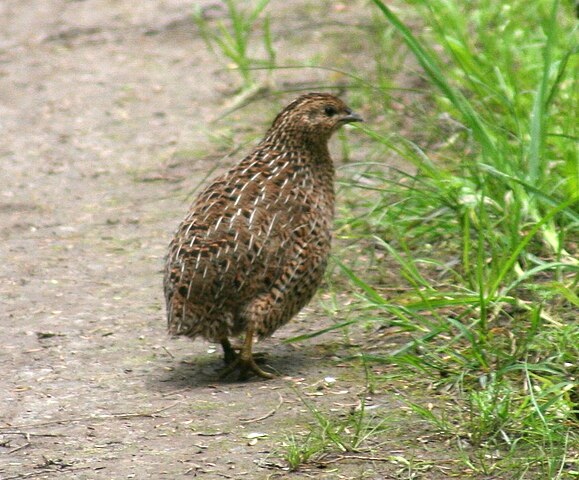
Or birds with autumnal colors such as the Quail (uzura):

Photo by Duncan Wright, CC BY-SA 3.0, via Wikimedia Commons

Or the swift Shrike (mozu):

Photo by Antonios Tsaknakis, CC BY-SA 4.0, via Wikimedia Commons

I had some trouble finding poems for the fall birds listed in either the Hyakunin Isshu or the Kokin Wakashu anthology, but there seems to be a lot in the later Shin-Kokin Wakashu anthology. I don’t have a reliable translation of the Shin-Kokin Wakashu, so I may update later.

I did find this poem under the section “Miscellany 2” in the Kokin Wakashu, poem 497 by an anonymous poet:

JapaneseRomanizationTranslation
野とならばNo to narabaIf all becomes dense fields
うづらとなきてUzura to nakiteI will pass my years
年はへToshi wa hencrying like a quail—
かりにだにやKari ni dani ya wafor surely you will come
君がこざらKimi wa kozaranif only for a few days’ hunt.
Translation by Laurel Rasplica Rodd and Mary Catherine Henkenius from Kokinshu: A Collection of Poems Ancient and Modern

Winter

The birds associated with winter, were birds whose cries were melancholy and said. First and foremost is the plover, which we saw in poem 78 (あわじ) of the Hyakunin Isshu:

Photo by J.M.Garg, CC BY 3.0, via Wikimedia Commons

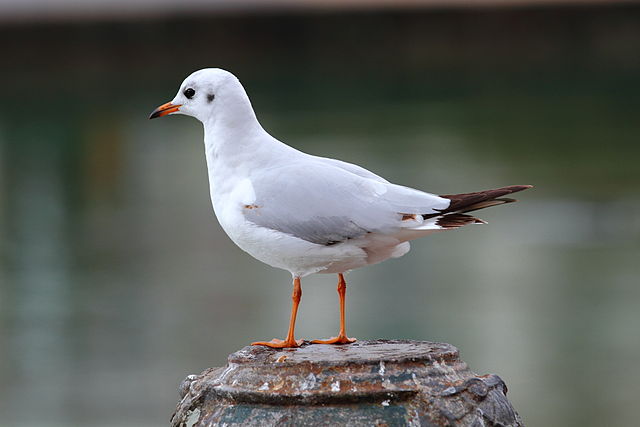
Or the Black-headed Gull (miyako-dori, meaning “bird of the capital”):

The miyakodori in particular stood out due to its unusual name. The Hyakunin Isshu Daijiten lists a poem from the official Kokin Wakashu anthology of note, poem 411 under the section “Travel Poems”:

JapaneseRomanizationTranslation
名にしおはばNa ni shi owabaOh capital bird
いざ言問はむIza koto towanif you are true to your name
都鳥Miyako-doriyou will know
わが思ふ人Waga omou hito watell me if the one whom I love is
ありやなしやとAri ya nashi ya tostill in this world of partings
Translation by Laurel Rasplica Rodd and Mary Catherine Henkenius from Kokinshu: A Collection of Poems Ancient and Modern

The headline for this poem explaining the backstory is unusually long, but basically the poet, Ariwara no Narihira (who also wrote poem 17, ちはやふる, in the Hyakunin Isshu) was away in eastern Japan with some companions, and longing for home in the capital, they saw a miyako-dori bird (lit. “capital bird”) and recited this poem.

And finally there is the Mallard (kamo):

Photo by Chuck Homler d/b/a FocusOnwWildlife, CC BY-SA 4.0, via Wikimedia Commons

The Mallard in particular had dual-association with romance and with the melancholy of winter. This poem in the Kokin Wakashu, number 533, by an anonymous author illustrates this:

JapaneseRomanizationTranslation
葦鴨のAshigamo noNo more than do
騒ぐ入江のSawagu irie noWhite waves dancing across the
白浪のShiranami noinlet, where reed ducks
知らずや人をShirazu ya hito wocry out noisily, no more
かく恋ひKaku koin to wadoes my love know my yearning.
Translation by Laurel Rasplica Rodd and Mary Catherine Henkenius from Kokinshu: A Collection of Poems Ancient and Modern

Other Birds

Certain birds were also used in Japanese poetry for symbolic purposes, but not necessarily for seasonal expression.

We’ve talked about birds associated with seasons thus far, but there’s a couple worth calling out that are an important part of Japanese poetry, but not related to seasons. The first is the Copper Pheasant, called yamadori, which we saw in poem 3 of the Hyakunin Isshu (あしびきの).

In antiquity, it was thought that Copper Pheasants mated for life (true), but slept in separate nests at night. Thus, the poet Kakinomoto no Hitomaro likened himself to a Copper Pheasant sleeping alone at night part from his lover.

And finally we come to the magpie. In poem 6 of the Hyakunin Isshu (かさ), the poet Chūnagon Yakamochi describes frost growing under moonlight on the so-called Magpie Bridge of the Imperial Palace. The magpie (kasasagi) was associated with a Chinese myth that evolved into the Qīxī Festival (七夕), celebrated as Tanabata in Japan.

The Magpie Bridge, illustration by ScribblingGeek, CC BY-SA 4.0, via Wikimedia Commons

In this tale, two star-crossed lovers, a celestial princess and a cowherd, were forcibly separated in the heavens by her father the Jade Emperor, but allowed to reunite one night a year. It was said they would reunite by crossing a bridge made of magpie birds who put their outstretched wings together. Thus, the magpie was always associated with this famous tale.

To War! Manyoshu Book One, Poem 8

Poetry about war is not something you will ever find in the Hyakunin Isshu, or other Imperial anthologies. So, I was quite surprised to find this poem in the Manyoshu.

ManyoganaJapaneseRomanizationTranslation1
熟田津尓熟田津にNikitatsu niI was going to wait for
船乗世武登ふな乗りせFunanorisen tothe moon to rise before
月待者月待てばTsuki matebaembarking from Nikita bay,
潮毛可奈比沼しほもかなひぬShio mo kanainubut the tide is up:
今者許藝乞菜今は漕ぎ出でなIma wa kogi-idé nago, row out now!
1 Translation by Kudō Rikio, Ōtani Masao, Satake Akihiro, Yamada Hideo, Yamazaki Yoshiyuki, ed. SNKBT: Man’yōshū, 4 vols. Iwanami, 1999–2003, originally found here.

This poem was recited by none other than Princess Nukata (Nukata no Okimi, 額田王, 7th century), whom we saw in these two poems. She wasn’t just a woman sought after by two emperors, but also played a small part in the effort to restore the Korean kingdom of Baekje.

A map of Korea in the 4th century showing the three kingdoms. Baekje is at the height of power at this time. Map by Historiographer at English Wikipedia, Public domain, via Wikimedia Commons

For centuries, the Korean Peninsula was divided into three kingdoms: Goguryeo, Silla and Baekje who constantly vied for control. Baekje, called Kudara (百済) in Japanese, was the country most closely allied with Japan in antiquity and helped bring much continental culture to the fledging Japanese court. They had a long-standing alliance.

But in 660, Baekje was crushed by the combined forces of Silla and their ally, Tang-Dynasty China (aka “Great Tang” as they called themselves). The remnants of the Baekje court fled to Japan and sought help to restore their kingdom.

With Japanese and Korean restoration forces mustered at beaches of Nikita (熟田) Bay in modern day Ehime Prefecture, Princess Nukata, writing on behalf of the Baekje sovereign, Prince Buyeo Pung, recited this poem to fire up the troops.

Sadly, the restoration effort gradually failed. The forces landed in former Baekje and made initial gains, but gradually lost steam, and then were crushed in 663 at the Battle of Baekgang. This was also the last time that Japan sent troops to the Korean Peninsula until the 16th century under Toyotomi Hideyoshi’s invasion of Korea.

As I wrote before, the Manyoshu, while technically Japan’s first poetry anthology, is a somewhat different beast than later anthologies and collections. The poetry techniques are less refined, but the Manyoshu is often revered for its more visceral nature, its breadth, and its small peeks into antiquity.

P.S. Korean history is fascinating too, and makes for some pretty nice K-Dramas which you can easily find on streaming media such as Netflix. If you’re not already a K-Drama fan, maybe look up a few and enjoy.

P.P.S. Before I found a proper translation, I was translating the final line as “Let’s row” in the same way that Optimus Prime from the Transformers would say “Roll out!”. Maybe less accurate but it sounds cool, especially coming from Princess Nukata. 😎

Interview with Karuta Peru Club: History of the Hyakunin Isshu

Hello readers,

Recently I mentioned an upcoming interview with the Karuta Peru Club via Steph, a fellow karuta player.

I am happy to report that we finished our interview and it is available on YouTube!

Also available on Spotify in podcast form:

In this episode, Steph and I mostly discuss the history of the blog, but then talk about some of my favorite historical figures in the Hyakunin Isshu, such as Sugawara no Michigan’s (poem 24) and Lady Izumi (poem 56), among other things. It was a fun conversation and Steph was a terrific host.

I do sometimes use the word “um” a lot, especially when I am a bit nervous (this was my first interview), but I hope viewers and listeners learn something new, and enjoy the conversation too!

In the next episode, we plan to focus more on our experiences playing kyōgi Karuta (competitive karuta). Stay tuned!

Big thanks to Steph for making all this happen. 🎉

P.S. books cited in the interview (non-Amazon links below):

The Fulling of Cloth: Poem Number 94

Although not a well-known poem in the Hyakunin Isshu, I rather like this one for some reason:

JapaneseRomanizationTranslation
みよし野のMiyoshino noFair Yoshino,
山の秋風Yama no aki-kazethe autumn wind in its mountains
さよふけてSayo fuketedeepens the night and
ふるさとさむくFurusato samukuin the former capitol, cold
衣うつなりKoromo utsu nariI hear the fulling of cloth
Translation by Dr Joshua Mostow

The author, Sangi Masatsune (参議雅経, “Counselor Masatsune”, 1170-1221), also as known as Fujiwara no Masatsune, was another editor of the Shin Kokin Wakashū like Yoshitsune (poem 91) and went on to found the poetic house of Asukai (also famous for calligraphy). He also studied under Shunzei (poem 83) earlier in his career.

I had to look up what fulling cloth meant, but apparently it’s the process of beating cloth, especially wool, to improve the texture, or in the case of Japan, give the cloth a nice glossy sheen. You can see an example of this above, in a painting made in the 1800’s, almost 700 years later. I can’t imagine the process changed much within that time. The process was to place the cloth on a wood or stone surface and pound it with a wooden mallet. In Japanese, the process called koromo utsu (衣打つ) just as it is mentioned in this poem.

Also, this poem, like other poems we’ve looked at recently (poem 90 and poem 91), alludes to a much older poem by Korenori (poem 31), which also mentions snow in the village of Yoshino (yoshino-chō, 吉野町), near the old capitol of Nara.

Interestingly, the “former capitol” is referred to by the poetic phrase furusato, which in modern Japanese means one’s hometown. Nara was the capitol of Japan during the early Nara Period, and personally my most favorite place to visit in Japan. The culture at that time was an interesting fusion of early Japanese culture, Chinese art and culture, and Indian Buddhism (via Silk Road). Even after the capitol was moved to Kyoto (another great place), there existed many euphemisms to the “former capitol” by later poets and authors (poem 61, for example) as a kind of nostalgia or the “good ol’ days”. Hence the use of the term furusato I believe.

P.S. Featured photo is Surimono, Woman Fulling Cloth in the Moonlight, by Shigenobu, Brooklyn Museum, No restrictions, via Wikimedia Commons

Lamentations: Poem Number 86

Another Autumn moon poem, but with an interesting twist:

JapaneseRomanizationTranslation
なげけとてNageke tote“Lament!” does it say?
月やは物をTsuki ya wa mono woIs it the moon that makes me
するOmowasurudwell on things? —No,
and yet,
かこちがおなるKakochi gao narulook at the tears flowing
down
わがなみだかなWaga namida kanamy reproachful face!
Translation by Dr Joshua Mostow

This poem was composed by the Saigyō Hōshi (西行法師, 1118 – 1190), or “Dharma Master Saigyō” a famous Buddhist monk and poet from the era. Saigyo’s story is interesting in of itself, and I blogged more about it on the other blog, including additional poetry, but let me post a summary here.

In his youth, his name was Sato no Norikiyo and he was a promising young man in the Heian Court, and caught the attention of Emperor Toba, Emperor Sutoku (poem 77) and also Taira no Kiyomori, the most powerful man at the time and who later featured as a villain in the famous Tales of the Heike and a many dramas on Japanese TV.

However, Norikiyo grew disillusioned with the nasty politics and infighting in the Court, and abruptly decided to throw it all away. He left behind his career, his wife and children, and became a wandering mendicant. He took on the Buddhist name Saigyo (西行) and stayed at the famous mountain-monastery of Koyasan for monastic training. Later, he returned to the capitol to find everything had changed. The Hogen Rebellion had destroyed much of the capitol, Emperor Sutoku was exiled (having lost), and Kiyomori ruled as a warlord. A few years later, Kiyomori and the entire Heike clan were utterly destroyed in the famous Genpei War, which also spelled the end of the historical Heian Period. What might have happened had Norikiyo stayed and followed his career, rather than leave the capitol?

In any case, with the new samurai government at Kamakura (thus, the Kamakura Period of Japanese history), things settled down in Japan and Saigyo traveled around. He devoted his life to writing poetry, lamenting the loss of his former patrons, admiring the beautiful nature in Japan, and about life in general. He finally settled down in the outskirts of Osaka, and passed away at the age of 73. It was said that when he passed away, the cherry blossoms were in full bloom and that he died on the same day that Shakyamuni Buddha died (February 15th according to solar calendar).

He was also friends with Shunzei (poem 83), according to Professor Mostow.

Anyhow, this poem is, according to Professor Mostow, possibly inspired by a poem by famous Chinese poet Bo Juyi centuries earlier, and is supposed the express the feelings of a resentful lover. Is the moon making him/her tearful? Maybe, maybe not, but gazing up at the moon brings them such sadness anyway.

Saigyo’s talent with poetry and his interesting life story have certainly helped him earn a place in the Hyakunin Isshu, but also inspired many later poets such as Basho and others. Basho the Haiku master, in his travels, went to visit places frequented by Saigyo among others.

Nostalgia: Poem Number 84

This is kind of a cool, unusual poem to find in the Hyakunin Isshu, but something we can all appreciate:

JapaneseRomanizationTranslation
ながらNagaraebaIf I live on longer,
またこのごろやMata kono goro yashall I again, I wonder,
しのばれShinobarenyearn for these days?
うしと見し世ぞUshi to mishi yo zoThe world that I once saw as
今はこいしきIma wa koishikibitter, now, is dear to me.
Translation by Dr Joshua Mostow

This poem was composed by Fujiwara no Kiyosuke Ason (藤原清輔朝臣, 1104 – 1177), “Sir Fujiwara no Kiyosuke”, who was the second son of Fujiwara no Akisuke (poem 79). Kiyosuke’s grandfather, Fujiwara no Akisué (藤原顕季) had founded the Rokujo School of poetry, and passed it along to Akisuke. However, there is evidence that Akisuke and his son Kiyosuke got along poorly. Real poorly.

The Rokujo School published an Imperially-sponsored anthology titled the Shikashiyū (詞花集), Kiyosuke was snubbed and not a single poem of his was included. Ouch. Further, in Kiyosuke’s career ambitions, Akisuke went out of his way to hinder his son finding lucrative positions in the Imperial Court. Thus, Kiyosuke never succeeded in the Court bureaucracy.

Ironically, Professor Mostow states that after his father Akisuke died, Kiyosuke inherited his position as head of the Rokujo School anyway. From here, he officiated poetry contests, and the Rokujo School took in success, so much so that it eventually developed a rivalry with Fujiwara no Shunzei (poem 83). Sadly, his efforts to publish another anthology, the Shokushikashu (続詞花集) dried up after Emperor Nijo died.

At heart, this poem is about nostalgia, how bitter things now somehow soften over time. It is thought that Kiyosuke may have recited this poem around the age of 60, and was thus looking back. Given his harsh upbringing, you can probably imagine why. But even the modern reader can think of a bitter time in their life, but when looking back nostalgia makes it seem sweeter than it was at the time. It’s also a reminder that if we are going through a hard time now, it won’t always be that way in the future.

Professor Mostow points out that some commentators think this may have, more concretely, alluded to the decline of the times, and in particular the disastrous Hōgen Rebellion, mentioned also in poem 76 and poem 77, and poem 86. That same rebellion ultimately began the rapid decline of the aristocratic Heian Period, epitomized in poem 100.

But even if that were true, it’s interesting how we tend to look back on this era with a kind of bitter-sweet nostalgia, far removed from the pain and destruction caused at the time.

A Peeking Moon: Poem Number 79

Because this is the Harvest Moon, I felt this poem was perfect for the occasion:

JapaneseRomanizationTranslation
秋風にAkikaze niFrom between the breaks
たなびく雲のTanabiku kumo noin the clouds that trail
たえまよりTaema yorion the autumn wind
もれ出る月のMore izuruleaks through the moon-
かげのさやけさKage no sayakesalight’s clear brightness!
Translation by Dr Joshua Mostow

The author is Sakyō Dayū Akisuke (左京大夫顕輔, 1090 – 1155), or “Grand Master of the West Akisuke”. His personal was Fujiwara no Akisuké, and he served as the administrator of the western “left” half of the capitol of Kyoto. In those days, the capitol was modeled off of the Chinese capitol of Chang-an of the illustrious Tang Dynasty, and was divided into a “western” and “eastern” half with an administrator for each one.

Additionally, Professor Mostow explains that Akisuke was the father of Kiyosuke (poem 84) with whom he had a poor relationship. Akisuke also inherited the Rokujō School of poetry in opposition to Shunzei (poem 83)’s Miko-Hidariké (御子左家) School. Although Akisuke was the rival of the father of Fujiwara no Teika (poem 97), the compiler of the Hyakunin Isshu, Teika apparently didn’t mind including his poems in the anthology anyway. Being a pre-eminent poet, Emperor Sutoku (poem 77) also commissioned him to compile a new anthology, the Shika Wakashū.

The poem itself is somewhat unusual in the Hyakunin Isshu, because the poem is completely straightforward. The poem literally paints a wonderful image of a hazy autumn moon-lit night, with no additional allusions. When you compare other poems in the Hyakunin Isshu about the moon, usually they have some additional meaning. This poem is unusually genuine and still well-composed.

So, as you enjoy the Harvest Moon this evening, take a moment to enjoy this poem if you can. If you’re in Japan, happy o-Tsukimi!

Not Quite Done Yet: Poem Number 68

This poem is something that touches on an important theme here on the blog, but first, let’s take a look:

JapaneseRomanizationTranslation
心にもKokoro ni moThough it is not what’s
in my heart,
あらで浮世にArade ukiyo niif in this world of pain
ながらNagaraebaI should linger, then
こいしかるべきKoishikaru bekino doubt I shall remember
fondly
の月かなYowa no tsuki kanathe bright moon of
this dark night!
Translation by Dr Joshua Mostow

This poem was composed by Sanjō-in (三条院, 976 – 1017), known in English as the “retired Emperor Sanjo“. He only reigned briefly for 5 years until his regent, Fujiwara no Michinaga, forced him to abdicate so that his own grandson could become Emperor (Emperor Go-ichijo). Fujiwara no Michinaga will be remembered as the main character of Lady Murasaki’s Diary, plus he employed a number of the female authors in the Hyakunin Isshu to be ladies in waiting for his daughter. Fujiwara no Sadayori (poem 64)’s family also lost in the same struggle.

To make matters worse, Emperor Sanjo was frequently ill, and this added further pressure for him to abdicate.

The poem above, according to Mostow, is thought to have been composed toward the end of his reign when he was ill and considering abdication. Was he concerned that night about his illness, or about the prospect of losing the throne? What made him savor that moon so?

As mentioned in this post, the later poems of the Hyakunin Isshu reflect a more somber era when political scheming and conflict replaced the earlier enthusiasm of previous generations. By this time, the Emperors had lost much of their power to ministers (mainly from the Fujiwara family) and were increasingly isolated, or even battling one another.

The 400-year Heian Period, the height of aristocratic culture in Japanese history, which the Hyakunin Isshu covers, would come crashing down about 100 years later.