Twin Peaks: Poem Number 13

The second poem in our series devoted to Valentine’s Day is this one:

JapaneseRomanizationTranslation
筑波嶺のTsukubane noLike the Mina River
みねより落つるMine yori otsuruthat falls from the peak
みなの川Minano-gawaof Mount Tsukuba
恋ぞつもりてKoi zo tsumoriteso my longing has collected
淵となりぬるFuchi to naru nuruand turned into deep pools.
Translation by Dr Joshua Mostow

The poem was composed by Yōzei-in (陽成院, 868 – 949), known in English as Emperor Yōzei. Yozei was the firstborn son of Emperor Seiwa, and Empress Takaiko. Takaiko, is thought to have briefly eloped with Ariwara no Narihira, who wrote poem 17 (ちは) in the Hyakunin Isshu, as eluded to in episode six of the Ise Stories.

According to commentaries, the poem was intended for “the princess of Tsuridono” who was the daughter of Emperor Kōkō’s (poem 15, きみがためは).

Nevertheless, the analogy of Mount Tsukuba (modern-day Ibaraki Prefecture), pictured above, was an excellent choice. The mountain is famous in Japanese culture, especially for the two peaks: one called nantai (男体, “Man”) on the western side, and nyotai (女体, “Woman”) on the eastern side. It was a frequent topic used in love poetry back in the day. Even today, it is a very popular destination for tourists and nature lovers. This style of simple love poetry is something you’re likely to also see in older anthologies such as the Manyoshu or the Kojiki.

Sadly, Emperor Yozei is better known for his severe mental instability in later year. Anecdotes from the time relate how Yozei would commit odd or violent behavior, such as riding around the palace with his 30 horses, swinging around the legendary sword, Kusanagi, one of the Three Sacred Treasures of the Imperial Household, beating his wet nurse to death, and killing small animals for amusement. His behavior became increasingly erratic, and so he abdicated in favor of the aforementioned Emperor Koko in the year 884, at the age of 17.

….. or is that what really happened? My new book implies that there is a theory that the story of his insanity was made up by Koko’s faction, or possibly exaggerated as justification for a power-play. The fact that Yozei continued to live peacefully until the age of 82, composing poetry like the one above lends to the possibility that he was not as ill-health as first thought.

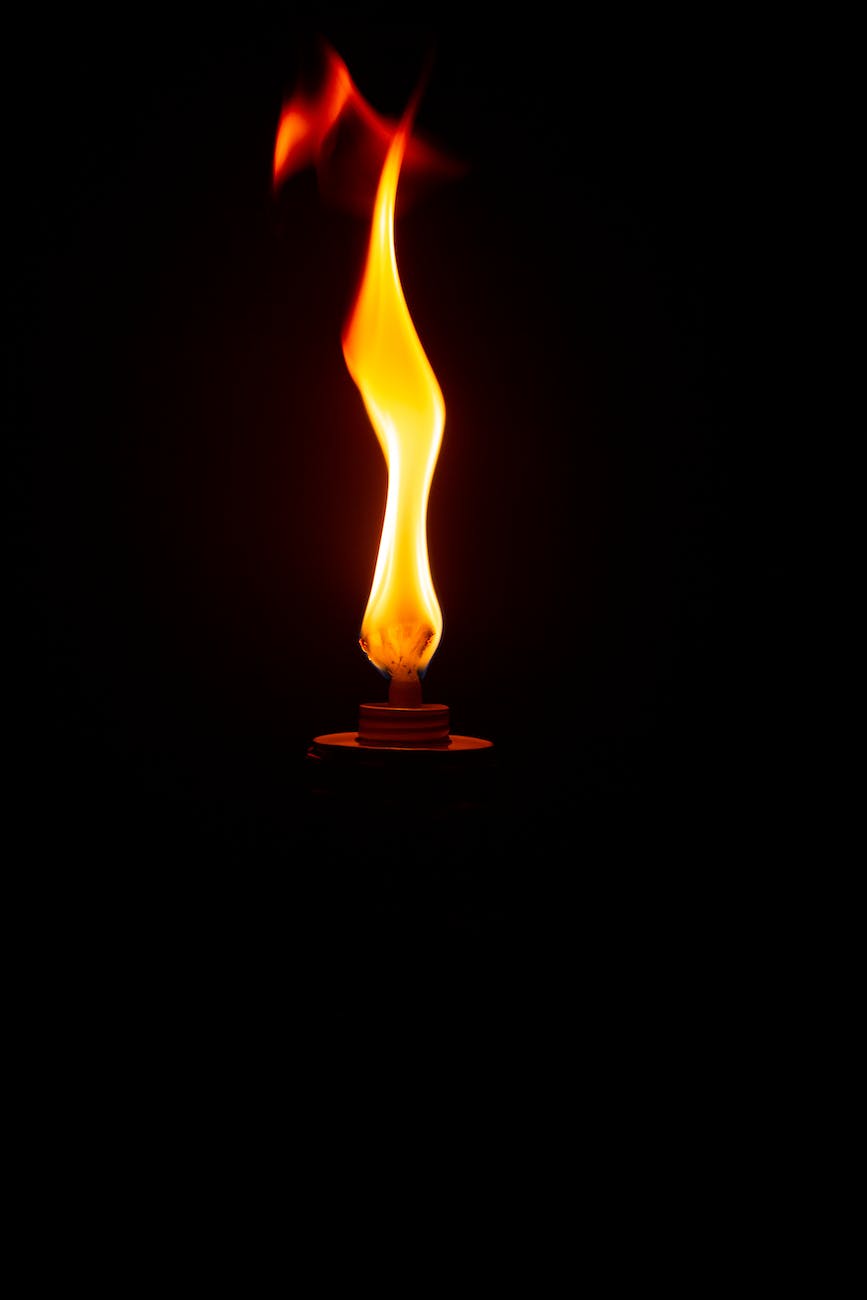
Love Burns Like A Torch: Poem Number 49

The first of a series of poems dedicated to Valentine’s Day:

JapaneseRomanizationTranslation
みかき守MikakimoriLike the fire the guardsman kindles,
じのたく火のEji no taku hi noguarding the imperial gates:
夜はもえYoru wa moeat night, burning,
昼は消えつつHiru wa kie tsutsuin the day, exhausted,
物をこそ思Mono wo koso moeover and over, so I long for her.
Translation by Dr Joshua Mostow

The author, Ōnakatomi no Yoshinobu Ason (大中臣能宣朝臣, 921 – 991), was the grandfather of Ise no Tayū (poem 61) and a prolific poet in his time, and one of the Thirty-Six Immortals of Poetry. According to Mostow, was also one of the “Five Gentlemen of the Pear Chamber” (nashi tsubo no gonin 梨壺の五人), with the Pear Chamber referring to a special room within the Court ladies’ residence of the Imperial Palace, which in turn was named after a special pear tree within the Palace gardens in the Ladies’ Quarter. This implied a very high honor indeed for Yoshinobu who was a member of the Inner Court.

Interestingly, Mostow suggests that the poem was in fact not written by Yoshinobu, owing to the fact that it does not appear in Yoshinobu’s personal collection and is listed as “anonymous” in other collections.

Love Poetry in the Hyakunin Isshu

A scene from the Genji Monogatari (Tales of Genji), Metropolitan Museum of Art, CC0, via Wikimedia Commons

With Valentine’s Day fast approaching, it seems appropriate to post some of the many love poems from the Hyakunin Isshu. So, starting tomorrow, I’ll post one poem a day until the 14th.

The Hyakunin Isshu has two very popular topics frequently used in poetry: love poems and seasonal poems. While seasonal poems have been frequently posted here, love poetry probably comprises the majority of poems in the anthology. There are many reasons for this:

  1. Poetry was a very popular past time among the nobility of the Nara and Heian Court. Poetry contests were very common, and a skillful poem could earn high praise among Court circles, and possible promotion. Poetry topics frequently included lurid subjects such as a jilted lover, broken promises, or secret love. Poems 40 and 41 are among the best examples in the anthology.
  2. Courtship in the Nara and Heian periods frequently involved indirect exchanges between men and women. In fact, men and women rarely saw each other face to face even while flirting with each other. So, poetry was a very useful medium of expression. Some of the more brilliant poems were preserved and praised by later generations.
  3. Confucian values, which were very popular even then, stressed the importance of cultivating one’s self through the arts. Naturally this included poetry. The martial culture that characterized medieval Japan and its samurai rulers had not taken hold at this period of time..

Anyhow, enjoy the next several poems, and feel free to use them on the ones you love. 🙂

A Lover’s Cruelty: Poem Number 82

A poem I stumbled upon today:

JapaneseRomanizationTranslation
わびOmoi wabiMiserable,
さても命はSatemo inochi wanonetheless, somehow
あるものをAru mono woI cling to life, but
うきにたぬはUki ni taenu wait is my tears
なみだなりけりNamida nari kerithat cannot endure the pain!
Translation by Dr Joshua Mostow

The author of the poem, Dōin Hōshi (道因法師, 1090 – 1179?), or “Dharma Master Dōin”. He lived as Fujiwara no Atsuyori, and served under Emperor Sutoku (poem 77), but wasn’t particularly successful. Later in life, he took tonsure in 1172 and became a Buddhist priest. It’s not clear if this poem was written before or after he took up the religious life.

According to Mostow, it’s not clear if the poem is a real expression of pain or part of poetry contest. Unfortunately, none of the poetry collections of Dōin survive, though he frequented poetry contests since 1160. He became a member of a famous poetry group called the Karin-en (歌林苑), though, and spent much time around other influential poets of the day.

P.S. Featured photo is Il Triste Messaggio (“The Sad Message”), by Peter Fendi, Public domain, via Wikimedia Commons

Broken Promises: Poem Number 42

This poem is a reminder that oaths taken under passionate embrace are not always kept later:

JapaneseRomanizationTranslation
ちぎりきなChigiriki naBut we promised!
かたみに袖をKatami no sodé woWhile wringing out tears from
しぼりつつShibori tsutsuEach other’s sleeves,
すえの松山Sué no MatsuyamaThat never would the waves
wash over
波こさじとはNami kosaji to waSue-no-Matsu Mountain.
Translation by Dr Joshua Mostow

As Mostow notes the author, Kiyohara no Motosuke (清原元輔, 908 – 990) was the grandson of Kiyohara no Fukayabu of poem 36 and also the father of Sei Shōnagon who authored the Pillow Book and poem 62. Motosuke is also one of the Thirty-six Immortals of Poetry.

Sue-no-matsu is an actual mountain in Japan in Miyagi Prefecture, called sue no matsuyama (末の松山). This same mountain is said to have been visited by the Haiku poet, Basho, in a later age. The term matsuyama here (松山) refers to pine-clad mountains, so the idea is that the mountain will never wash under the waves, and thus the lovers’ feelings for each other would never die.

The poem’s intent here, as stated by the author himself in writing, was not to express Motosuke’s feelings, but rather for a friend whose lover’s feelings seemed to have grown cold. We see another example of a poet writing on behalf of another in poem 59. Still it serves as a sobering reminder that passion might be wonderful at the time, but is fickle too.

P.S. Speaking of pines, poem 16 and poem 34.

The Moon in the Hyakunin Isshu

The Moon is not surprisingly one of the most powerful images in the Hyakunin Isshu anthology, but the myriad ways it is used as imagery shows a remarkable variety and depth. There are 43 poems in the Hyakunin Isshu that cover topics of love and romance, but only 12 that pertain to the Moon.

However, within those twelve poems, and in Japanese waka poetry as a whole, the moon itself is a very popular subject and expressed in many ways. As one book on the subject points out, the Moon expresses different themes depending on the situation:

Print #98 from the One Hundred Aspects of the Moon by Yoshitoshi. This picture features Semimaru from the Hyakunin Isshu (poem 10, これ)
  • Being separated from home (poem 7)
  • Waiting for one’s lover (poem 21)
  • Melancholy (poem 23)
  • Parting one’s lover (poem 30) in the morning
  • The cool moon in Summer (poem 36)
  • The moon on a clear, beautiful Autumn night. (poem 79)
  • Two people passing in the night (poem 57)
  • Loneliness of a heart-broken women (poem 59)
  • The effervescence of life (poem 68)
  • Autumn vibes (poem 79)
  • Early dawn moon and the cuckoo’s call (poem 81)
  • Human grief (poem 86)

This is only for the Hyakunin Isshu of course. For larger anthologies like the Kokinshū and the vast corpus of Chinese poetry, the Moon is a persistent symbol of so many aspects of human emotion.

But also in Japanese language, many poetic terms for the moon and its phases have arisen over time:

  • ariake (有明) – moon visible during sunrise, appears in the latter half of the lunar cycle
  • misokazuki (晦日月) – the night before the new moon, the moon is a barely visible crescent.
  • shingetsu (新月) – new moon
  • tsugomori (つごもり) – last day of the moon (i.e. new moon)
  • mikazuki (三日月) – waxing crescent moon (lit. “third-day moon”)
  • nanokazuki (七日月) – seventh-day moon, waxing crescent
  • yōkazuki (八日月) – first quarter waxing moon
  • mangetsu (満月) – full moon
  • mochizuki (望月) – full moon, 15th day of the old lunar calendar.
  • izayoizuki (十六夜月) – moon on the 16th day, just after full moon.
  • tachimachizuki (立待月) – moon on the 16th day of the cycle.
  • fukemachizuki (更待月), also called hatsukazuki (二十日月) – the three-quarters waning moon. The implication of the first word is that the moon rises late in the evening.
  • fushimachizuki (臥待月) – waning half-moon
  • nemachizuki (寝待月) – another term for waning half-moon

A lot of these terms are pretty obscure (some I couldn’t find in a common dictionary), while a few like mangetsu and mikazuki are used in standard Japanese.

Battle of the Love Poems, part 2: Poem Number 41

In our last episode, we talked about a famous poetry contest in 960 which pitted two excellent poems against one another. For fans of the anime Chihayafuru, this contest is also mentioned in season one episode 23. Poem 40 by Taira no Kanemori was judged the winner, and this poem was the loser, though only just barely:

JapaneseRomanizationTranslation
こいてふちょうKoisu chōMy name already
我が名はまだきWaga na wa madakiis bandied about with
立ちにけりTachi ni kerirumors I’m in love—
人しれずこそHito shirezu kosothough, unknown to
anyone, I thought,
そめしかOmoi someshi kaI had only just begun
to love her!
Translation by Dr Joshua Mostow

The author Mibu no Tadami (壬生忠見, dates unknown), son of Mibu no Tadamine (poem 30) was not a high-ranking or successful member of the Court. It is said that Tadami often appeared in provincial clothes and behaved like a country bumpkin. Even so, like his father, his skills as a poet earned him acclaim. Thus he was included among the Thirty Six Immortals of Poetry.

Mostow points out that even though the poem won 2nd place, it has been highly prized throughout the ages, just as poem 40 has been. According to my new book, what made this poem so prized is the way it inverts things between the upper verses (unrequited love) and lower verses (I have to hide it anyway from public eye). The ni keri in the third verse is an archaic way of expressing regret (poem 40 uses it too), or grumbling.

Mibu no Tadami was said to be so distraught over losing the contest that he wasted away and died, though this story may not have actually happened. Mostow points out that additional poems by the author in later collections, suggest that he was alive and active for many years to come. Nonetheless, although the story of Tadami’s death is a fabrication, it is likely, given his prospects, that Tadami was bitter over the loss.

Battle of the Love Poems, part 1: Poem Number 40

Another poem on the theme of love. Many of the poems from 40-50 share this common theme…

JapaneseRomanizationTranslation
忍ぶれどShinoburedoEven though I hide it,
色に出でにけりIro ni ide ni keriit shows all over my face,
わが恋はWaga koi wasuch is my longing,
物や思Mono ya omou toso that people ask me
人の問までHito no tou made“What are you thinking about?”
Translation by Dr Joshua Mostow

According to Mostow’s book, this poem by Taira no Kanemori (平兼盛, ? – 990) was part of a famous poetry contest in 960, and was pitted against Mibu no Tadami (poem 41). Both were recited under the theme of hidden love. For fans of the anime Chihayafuru, this contest is also mentioned in season one episode 23.

The judges couldn’t decide which poem was the winner, so after consulting with other poetry experts (who also couldn’t decide), they came before Emperor Murakami and sought his opinion about which poem was superior. According to the story, the Emperor hummed to himself the verses from this poem under his breath, tactfully judging Taira no Kanemori’s poem the winner.

My new book points out that what makes this poem highly prized (along with Tadami’s poem) is the excellent use of prose. It isn’t just that the character is hiding love, but that it’s become painfully obvious to everyone around them, and they are compelled to ask. The ni keri in the second verse is an archaic way of expressing regret (poem 41 uses it too), or grumbling so it has a natural sound to it. Mostow’s opinion agrees with the excellent style, mixed with a more natural style at the end. Anyone who’s been secretly in love before can certainly sympathize.

Taira no Kanemori is also one of the Thirty-Six Immortals of Poetry (sanjūrokkasen, 三十六歌仙), and was friends with Egyo Hoshi (poem 47). According to my new book, there is a theory that his daughter is Akazomé Emon (poem 59). He had divorced Emon’s mother, but she was already pregnant. Further, after she remarried and gave birth to Emon, Kanemori petitioned to have parental rights but ultimately failed.

The Taira Clan or Heike (平家), which Kanemori belongs, was not particular powerful at this time, but would later dominate Japanese politics centuries later under Taira no Kiyomori, only to be tragically swept aside in the disastrous Genpei War by their rivals, the Minamoto.