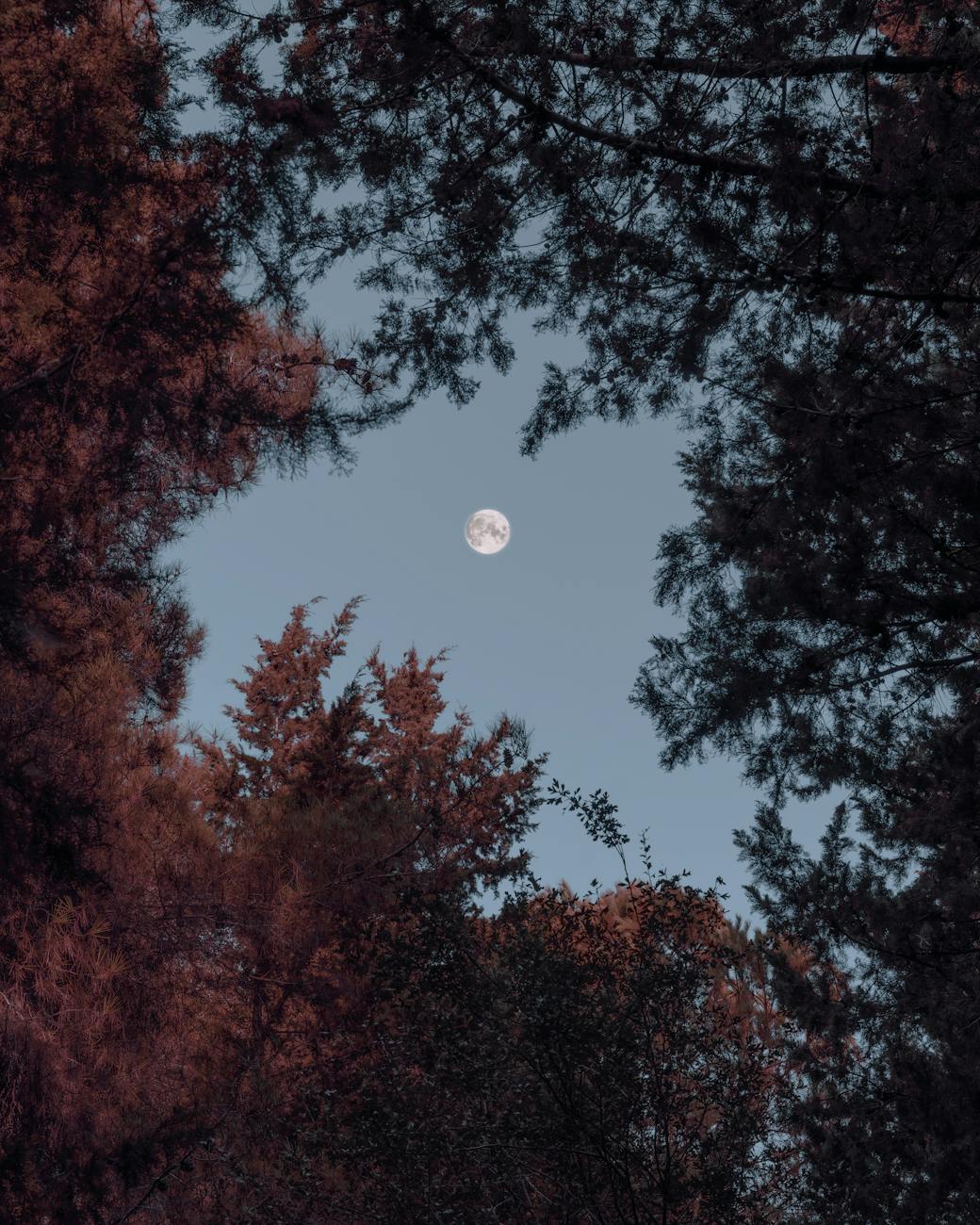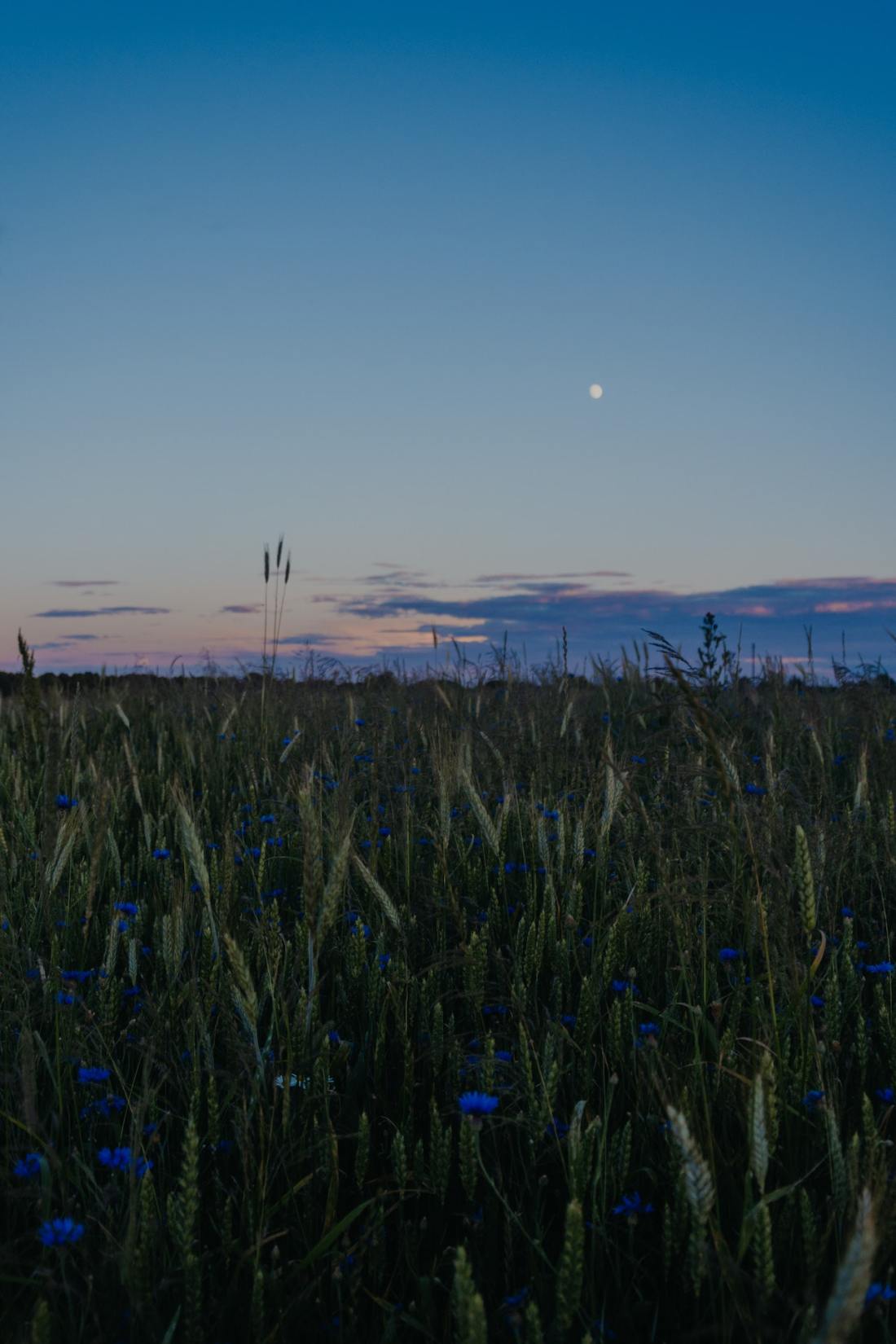
Summer Nights: Poem Number 36

For those who are stuck in the dead of winter (or for readers in the Southern Hemisphere), I thought a Summer-type poem would be appropriate:

JapaneseRomanizationTranslation
夏の夜はNatsu no yo waThe short summer nights
まだよながらMada yoi nagarawhile it seems yet early evening,
明けぬるをAkenuru woit has already dawned, but
雲のいくにKumo no izuku niwhere in the clouds, then,
月やどるらTsuki yadorurandoes the moon lodge, I wonder?
Translation by Dr Joshua Mostow

The author of the poem, Kiyohara no Fukayabu (清原深養父, dates unknown), was a relatively well-known poet in his time, but it also turns out that he is the grandfather of Motosuke (poem 42) and great-grandfather of the famous author, Sei Shonagon (poem 62), so it seems poetry and literature run in the family. 😁

Anyhow, as Mostow explains, this poem was highly regarded at the time, but for readers in the 21st century, it has so many hidden cultural allusions, that it’s hard to see the significance at first.

As he summarizes, summer nights are short, and Fukayabu is saying that he is surprised that the moon is already dawning in the western sky. Since it’s cloudy, he asks where the moon might be lodging since it’s hard to imagine that it is already setting. It’s a clever, light-hearted poem exploring brief summer, moonlit nights in other words.

Interestingly, Mostow points out that despite the praise on this poem from antiquity, Fukayabu was not included among the Thirty Six Immortals of Poetry and his reputation suffered a major blow that didn’t recover until it was included in later anthologies.

It’s pretty amazing to think how a poem can really make or break a person in that era. We saw this in reverse for poem 92.

Snowfall: Poem Number 31

Similar to the previous poem, this one deals with the moon, but I think this poem epitomizes the winter season:

JapaneseRomanizationTranslation
朝ぼらけAsaborakéSo that I thought it
有明の月とAriake no tsuki tothe light of the lingering moon
みるまでにMiru made niat dawn—
吉野の里にYoshino no sato nithe white snow that has fallen
ふれる白雪Fureru shirayukion the village of Yoshino
Translation by Dr Joshua Mostow

The author, Sakanoue no Korenori (坂上是則, dates unknown), is one of the Thirty-Six Immortals of Poetry, but otherwise nothing much is known about him.

This poem, as Professor Mostow explains, is similar to poem 29, and is part of a theme on “elegant confusion” which is a hallmark of Chinese poetry. Early poetry in Japan was still greatly indebted to Chinese poetry and many of the imagery, and idioms used in the Hyakunin Isshu anthology are not exception.

I happen to like this poem also because it has a lot of obscure, but cool Japanese poetic terms. We’ve seen ariaké discussed in poem 30. However, this poem also uses the term asaboraké (朝ぼらけ) which as we say in poem 64 means that period of time in the dawn, in either winter or autumn, when things are hazy. It’s a kind of slow, late dawn that you only find in that time of year. Compare with akatsuki (暁), which Professor Mostow explains can mean “dawn” any time of the year. Since asaboraké is used in two poems in the Hyakunin Isshu, it makes the kimari-ji for each poem particularly tricky.

The village of Yoshino that this poem refers to, is none other than the iconic village of Yoshino in Nara Prefecture.

Long Goodbyes: Poem Number 30

Hi all,

New year is here, and I guess it’s time to say “goodbye” to the old one. This poem is also happens to be about good-byes of another sort.

JapaneseRomanizationTranslation
有明のAriaké noThere is nothing so depressing
つれなくみえしTsurenaku mieshias the break of day and
別れよりWakare yorileaving you after
暁ばかりAkatsuki bakarihaving seen the heartless
うきものはなしUki mono wa nashimorning moon.
Translation by Dr Joshua Mostow

The author, Mibu no Tadamine (壬生忠岑, dates unknown), is one of the Thirty-Six Immortals of Poetry and was the father of Tadami (poem 41). He was also one of the official compilers of the official anthology, the Kokinshū, along with Ōshikōchi no Mitsune (poem 29).

By all accounts, this appears to be another famous “morning after poem”, similar to the one seen in poem 50. The term, ariake (有明) is a poetic term for the last-rising moon, in the last-half of the lunar cycle, which you can still see in the morning.1 On the other hand, as Professor Mostow points out, the fact that the moon was heartless could also imply lover who spent all night waiting to see his lover but was never received and finally went home at dawn.

Either way, the morning moon seems to carry a lot of significance for romantic types back then.

1 Similarly, akatsuki (暁) is a poetic term for daybreak.

Rejection: Poem Number 21

No one likes getting rejected. Even back in classical Japan:

JapaneseRomanzationTranslation
今来Ima kon toIt was only because
you said
しばかりにIishi bakari niyou would come right away
長月のNagatsuki nothat I have waited
ありあけの月をAriake no tsuki wothese long months,
till even
待ちいでつるかなMachi idetsuru ka nathe wan morning moon
has come out.
Translation by Dr Joshua Mostow

This poem was composed not by a woman as one would expect, but by a Buddhist priest named Sosei Hōshi (素性法師, dates unknown), or “Dharma Master Sosei”. He was the son of Henjō who wrote poem 12. Sosei was a prolific and popular poet and according to Mostow heavily represented in the more official anthology, the Kokin Wakashū. He is also one of the Thirty-Six Immortals of Poetry.

As we’ve seen with other poems from this earlier era, it was common to write about poetry themes, and to write from a role outside one’s own. So, for a monastic to be writing from the perspective of a lonely woman wasn’t unusual.

Mostow explains the contradiction in this poem between the “one long night” and “months” as being an issue of interpretation. Though most people assumed it was a long Autumn night, Fujiwara no Teika (poem 97), the compiler of the Hyakunin Isshu anthology, felt it was more like a long passage of time.

P.S. Photo above is a Japanese calendar we have a home. More on that in a related post in my other blog.

A Sad Autumn Moon: Poem Number 23

The Hyakunin Isshu is full of poems about Autumn as we’ve seen so far, and this is another example:

JapaneseRomanizationTranslation
月見ればTsuki mirebaWhen I look at the moon
千々に物こそChiji ni mono kosoI am overcome by the sadness
悲しけれKanashi kereof a thousand,
thousand things—
わが身ひとつのWaga mi hitotsu noeven though it is not Fall
秋にはあらねどAki ni wa aranedofor me alone.
Translation by Dr Joshua Mostow

The author, Ōe no Chisato (大江の千里, dates unknown), is the nephew of Yukihira (poem 16) and Narihira (poem 17) and boasted a famous collection of his own called the Kudai Waka. Ōe no Chisato was also the son of a famous Chinese-studies scholar, who taught Confucianism and composed Chinese-style poetry (not Japanese-style waka poetry like above). Ōe no Chisato was thus part of the Imperial Court culture of the time, but not necessarily high-ranking. More of a middling family.

Similar to poem 22, this poem has influence from Chinese Six Dynasties style, but as Mostow explains, the poem reflects a change where Chinese poetic style is adapted into more native Japanese style. Mostow explains that the poem may allude to a famous poetic line by Bo Juyi.

As mentioned before, the moon plays a really important role in the Hyakunin Isshu, and poetry in general. But also, it’s a source of festivities too. In Japan, the 15th lunar day of the 8th month (harvest moon in the West), marks a fun time called o-tsukimi or “moon-viewing”. More on that in the other blog.

As for the poem, it kind of expresses a quiet humility too, I think, which is why I always find it one of the most memorable. The Moon inspires a lot of deep feelings, but this poem reminds us that it does not shine just for us.

Speaking of the moon, Ōe no Chisato is also famous for another moon poem, which is in the imperial anthology Shin-Kokin-Wakashu and considered one of the finest in the entire collection:

JapaneseRomanizationRough Translation1
照りもせずTeri mo sezuNeither the shining moon,
曇りもはてぬKumori mo hatenunor the cloudy night
春の夜のHaru no yo nocan win against
朧月夜にOborozukuyo nia hazy moonlit
しくものぞなきShiku mono zo nakinight in Spring.
1 Amateur translation

This poem in turn was used in the iconic Tales of Genji by Lady Murasaki (poem 57 in the Hyakunin Isshu, め).

So, we can see that Ōe no Chisato was no stranger to poetry, especially Chinese-style poetry, and was capable of describing the moon in many contexts.

Happy Moon Viewing everyone!

Getting Exiled Isn’t Fun: Poem Number 11

Another random poem I found lately. Interesting enough, it has some relation to the much later poem by Emperor Gotoba (poem 99):

JapaneseRomanizationTranslation
わたの原Wata no haraO tell her, at least,
八十島かけてYasoshima kaketethat I’ve rowed out,
heading towards
こぎ出ぬとKogi idenu tothe innumerable isles
人には告げよHito ni wa tsugeyoof the ocean’s wide plain,
あまのつり舟Ama no tsuribunéyou fishing boats of
the sea-folk!
Translation by Dr Joshua Mostow

The poet author was Sangi Takamura (参議篁, 802 – 852), “Counselor Takamura”, also known as Ono no Takamura. He was one of the premiere poets of his time, particularly with Chinese poetry, which was very popular in that era. People considered him a rival to the famous Chinese poet Bo Juyi, which was quite a compliment. Bo Juyi’s poetry is frequently recited or mentioned in many works from the Nara and Heian periods (such as the works of Lady Murasaki, poem 57).

For his talent with Chinese poetry, Takamura was selected to be part of the 837 embassy to Tang Dynasty China, the same one as Abe no Nakamaro (poem 7). Such trips were prestigious, but also incredibly perilous, because Japanese ships were not designed to cross deep sea, and withstand frequent typhoons. Plus ambassadors had to stay for 10+ years at a time, and some never returned from China at all, as in Nakamaro’s case.

Takamura, while revered by Emperor Saga, also had a dubious reputation for being a straight-shooter. As an eccentric genius he had a tendency to annoy everyone, including Emperor Saga.

It was probably for these two reasons, his hesitancy to carry out his ambassadorial duties, and his lack of tact, that Takamura was exiled to Oki Island and sent this poem back home as he headed for exile.

Oki Island shown above in the featured photo (photo by Yuvalr, CC BY-SA 4.0, via Wikimedia Commons), is where Emperor Gotoba (poem 99) was also exiled centuries later and stayed there for 20 years before he died. It is a lonely island facing the cold, windy Japan Sea/East Sea and far removed from the Court. Noble-born members of the Court were often exiled here, among other locations (see poem 100) for some length of time until they either died, or the reigning Emperor granted clemency. Fortunately, Takamura was pardoned a year a later, and allowed to return home.

One other note is that the poem slightly violates the traditional 5-7-5-7-7 syllable count in most waka poems. The third verse has 6 verses. Poets did occasionally violate this rule, probably for good reasons, but it’s interesting when it comes up. Then again, in Takamura’s case, maybe he just wanted to annoy people, or he just didn’t care. 🤭

No Refuge In This World: Poem Number 83

This is a well-known poem in the Hyakunin Isshu, and I felt worth posting here:

JapaneseRomanizationTranslation
世の中よYo no naka yoWithin this world
道こそなけれMichi koso nakerethere is, indeed, no path!
入るOmoi iruEven deep in this mountains
山の奥にもYama no oku ni moI have entered, heart set,
鹿ぞ鳴くなるShika zo naku naruI seem to hear the deer cry!
Translation by Dr Joshua Mostow

The author, Kōtai Gōgū no Daibu Toshinari (皇太后宮大夫俊成, 1114 – 1204), or “Master of the Grand Empress’s Palace, Shunzei”. He is also known as Fujiwara no Shunzei, or Fujiwara no Toshinari (俊成 can be read either way), the father of Fujiwara no Teika . Additionally, a surprising number of other poets in the Hyakunin Isshu were associated with (poem 81, 86 and 87), studied under Shunzei (poem 89 and 98), or were directly in opposition to him (poem 79). Shunzei is probably the second most important person in the Hyakunin Isshu after his son of course. 😏

This poem is both moving and technically strong. For example, according to Mostow, the phrase omoi iru is a “pivot word”, meaning that both the words before and after hinge on its double meanings: omoi-iru “to set one’s heart on” and iru “to enter”.

Again, as Mostow explains, the poem generates quite a bit of debate because it’s not clear what concerned him so much. Was it melancholy, a sense of his mortality, or was the state of society at the time (i.e. the decline of the Heian Period)?

Speaking of a deer’s cry, I found this video one of the famous “Nara deer”:

The Nara deer are more domesticated versions of the wild deer in Japan, but it gives you an idea what Shunzei must have heard deep in the woods 900 years ago.

P.S. See poem 5 for something similar.

Summer is Back: Poem Number 81

As spring turns into summer, I thought this poem seemed really appropriate and a great topic for discussion:

JapaneseRomanizationTranslation
ほととぎすHototogisuThe hototogisu:
鳴きつる方をNakitsuru kata wowhen I gaze out towards where
ながむればNagamurebahe was singing,
ただ有明のTada ariake noall that remains is the moon,
月ぞ残れるTsuki zo nokorerupale in the morning sky.
Translation by Dr Joshua Mostow

This poem was composed by Gotokudaiji no Sadaijin (後徳大寺左大臣, 1139 – 1191), the “Later Tokudaiji Minister of the Left Sanesada”. His personal name was Fujiwara no Sanesada, and he was the first cousin of Fujiwara no Teika (poem 97), as well as the nephew of Shunzei (poem 83). He left behind an extensive poetry collection as well as his personal diary.

According to Professor Mostow, the poem was composed on the topic of staying up all night, to hear one cry.

The hototogisu (ホトトギス), is called the “lesser cuckoo” in English, or, is Cuculus poliocephalus. The featured photo was taken by Kunming Institute of Botany. Sun Jiao (Interaccoonale), CC BY 4.0, via Wikimedia Commons.

The hototogisu in Japan is a famous bird known for its early summer call, and is thus an emblematic bird of the season. Compare with the plover in poem 78.

You can see a video of its call below:

According to the Hyakunin Isshu Daijiten, the hototogisu is an elusive bird. It flies from branch to branch often, so by the time you hear its distinctive call, it probably has flown elsewhere. Hence, they are easy to hear, but hard for birdwatchers to observe.

In any case, as Professor Mostow explains, the author is waiting all night to hear the first call of the hototogisu as the first sign of summer.

One other note is the term 有明 (ariake), which is one of many poetic terms for the moon. Specifically it means the moon that remains in the morning, after daybreak. This normally occurs on the 16th day of the lunar cycle according to the old Japanese calendar.

P.S. Like the title, I’m back too. 😉

Stood Up: Poem Number 59

Our next poem in the series devoted to women in March deals with something women of today know all too well:

JapaneseRomanizationTranslation
やすらYasurawadeThough I’d have preferred
寝なまし物をNenamashi mono woto have gone off to bed
小夜更けてSayo fuketewithout hesitating,
かたぶくまでのKatabuku made nothe night deepened and
月を見しかなTsuki wo mishi kanaI watched the moon till it set!
Translation by Dr Joshua Mostow

The author, Akazome Emon (赤染衛門, 958? – 1041?), was another court lady in waiting for Empress Shoshi, along with Lady Murasaki (poem 57) and Lady Izumi (poem 56). Although her father is officially Akazome no Tokimochi, it is theorized that her father was actually Taira no Kanemori (poem 40) due to an affair by her mother.

Akazome Emon has an impressive 93 poems in the Shūishū Imperial anthology, and composed at least part of the Eiga Monogatari another classic from the era.

While Lady Murasaki had harsh words for some of her associates, according to Mostow, she describes Akazome Emon as having “great poise” and takes her poetry seriously, without composing verses just for the fun of it. Indeed, Lady Murasaki states she is “most accomplished”.

My new book also mentions that Akazome Emon was liked by the other ladies in waiting, and even by rival cliques including Sei Shonagon (poem 62) whom she corresponded with. It is even said she was happily married to her husband Oe no Masahira (大江匡衡), a rare thing in a world of political marriages.

Akazome Emon depicted centuries later in Yoshitoshi’s “100 Aspects of the Moon“, Yoshitoshi, Public domain, via Wikimedia Commons

The poem above itself is a bit of a mystery though. The headnote to the poem is explained as Akazome Emon writing a poem on behalf of her sister who waited all night for her lover, Middle Regent Michitaka, but was stood up. Michitaka was an extremely powerful and charming man in his day and likely had multiple lovers even as he maintained his legitimate marriage to Takashina no Takako (aka Gidōsanshi no Haha, poem 54). Akazome writing this poetic complaint on behalf of her jilted sister was an increasingly common practice at the time.

As explained before, women lived sheltered lives in his era, and men rarely could see them except by secret arranged meetings, and yet sometimes a women might wait all night without her lover ever coming. This is a frequent topic in the Hyakunin Isshu anthology as well, both real and fictional.

However what makes this poem standout is that Akazome Emon complained to Michitaka in a sweet, unaccusing way, when she obviously meant the opposite. “Oh, it’s no big deal I stayed up all night waiting for you, I saw the full moon tonight. No big deal.”

There is some research that suggests that maybe Akazome didn’t author the poem, though it’s unclear who did. Nevertheless, whoever was stood up that night, I hope Michitaka apologised the next day. 😏

P.S. Featured photo by Brian Lazo on Pexels.com

An Old Acquaintance: Poem Number 57

This next poem in our series devoted to women of the Hyakunin Isshu anthology is by one of the most famous women authors in Japanese history, Lady Murasaki:

JapaneseRomanizationTranslation
めぐりあMeguri aiteAs I was wondering
見しやそれともMishi ya sore tomowhether or not I had seen it
わかぬ間にWakanu ma niby chance,
雲がくれにしKumo-gakure ni shiit became cloud-hidden,
の月かなYowa no tsukikanathe face of the midnight moon!
Translation by Dr Joshua Mostow

Professor Mostow explains that the headnote for this poem describes an experience one night when Lady Murasaki had seen someone she had known long ago as a child, but she only saw them briefly in passing as they raced by. But there are many interpretations as to who that person had been. Many propose it was a fellow female acquaintance while others wonder if it was a male lover. Unfortunately we can’t be sure.

Lady Murasaki, known as murasaki shikibu (紫式部) in Japanese, was a somewhat unusual figure in the 11th century Heian Court, both for her talents and her personality. Compared to other women of that era, like Lady Izumi (poem 56) who was very passionate, and Sei Shonagon (poem 62) who was very bold and witty, Lady Murasaki was more introverted and sullen and prone to be alone, or exchange letters with other women who shared her frequent melancholy.

Lady Murasaki was among those rare women at the time who learned to read Classical Chinese, which normally was used by men of the Heian Court for official purposes, Buddhist liturgy, and of course Chinese-style poetry and literature. Women generally did not learn it, though the women listed above were exceptions. Indeed, Lady Murasaki’s father, Fujiwara no Tametoki, was said to have lamented that Lady Murasaki was born a woman, because her talents for literature was outstanding. In any case, it was Lady Murasaki’s talents that led her to being recruited as a lady-in-waiting (shikibu) to Empress Shoshi along with other dynamic women of her generation. She is often depicted in Japanese art like the painting below (she is at the bottom-right):

Empress Shoshi and son
Tokyo National Museum, Public domain, via Wikimedia Commons

Unfortunately, we know very little about Lady Murasaki today, apart from her writings: the Tales of Genji, her poetry, and of course her eponymous diary which covers a year or two of her life while serving the powerful Fujiwara no Michinaga. We don’t even know her real name. The term murasaki (紫, “purple”) refers to one of her characters in the Tales of Genji, of which several drafts circulated the Heian Court and people started to call her by that name. Her diary implies that the eminent poet of the time, Fujiwara no Kintō (poem 55), gave her this nickname as a nod to her skills. Later, her daughter Daini no Sanmi (poem 58) went on to become a talented woman herself.

Nevertheless, Lady Murasaki’s reputation has always endured throughout Japanese history as an author and poet of the highest caliber, and has a following even among Western audiences as well. She is celebrated and revered throughout the generations, and like Lady Izumi, enjoys a following in Japan among younger generations of women today. This page is a tribute to her as well.

P.S. Featured photo is of Lady Murasaki, as depicted by Tosa Mitsuoki (1617 – 1691), Public domain, via Wikimedia Commons