Karuta Training through Nakama-Waké

As I wrote previously, I have been spending a lot of time trying find more effective training methods for myself and for new, foreign Karuta players because of the scarcity of resources. One website that has been particularly helpful in Japanese is Karuta Club, managed by the Meijin (master player) Kawase Masayoshi and his wife.

It’s a pretty nice site and has a ton of training and resources, though almost all of it is in Japanese. There is a nice English-language introduction that is worth reading.

But for this post I wanted to focus on one particularly helpful article. This teaches a method of memorization called nakama-waké.

The method seems a bit complicated upfront but really helps in those 15 minutes (or 30 seconds on the app) when you have to memorize the board, and uses knowledge you probably already know: the kimari-ji.

Let’s look at my kimari-ji chart here. You can see how the cards are group by first syllable : “ha” cards, “tsu” cards, “ki” cards, “wa” cards and so on.

Kawase’s article suggests that after you learn the kimari-ji, next invest time memorizing how many are in each group. If you look at the chart, there are only two cards in the “tsu” (つ) group, compared to seven in the “wa” (わ) group, or 16 in the “a” (あ) group. Some groups are very large, some are very small.

Let’s use the examples of the “ha” group. From the chart we can see that there are four cards that start with “ha” (は):

Kami no Ku
(upper verses)
Shimo nu Ku
(lower verses)
Poem No.
はなさそう あらしのにわの ゆきならでふりゆくものはわかみなりけり96
はなのいろは うつりにけりな いたずらにわかみよにふるなかめせしまに9
はるすぎて なつきにけらし しろたえのころもほすてふあまのかくやま2
はるのよの ゆめばかりなる たまくらにかひなくたたむなこそをしけれ67

If we remember that the “ha” group has 4 cards total, and when you are memorizing at the start of the match, you can determine which of the four are on the board. The rest can be safely ignored as kara-fuda (“empty cards”).

This separation of similar cards (“friends”) between the ones on the board and the ones that aren’t is why this is called nakama-waké (仲間わけ): “separating friends”.

Using the online karuta app, let’s demonstrate this. Here’s a game I played earlier, using default settings: 8 cards per side, only 30 seconds to memorize. The cards are all laid out, and my opponent (the computer) and I are memorizing.

Of the four “ha” cards, I can see two on the board, highlighted in purple. The two cards are “haruno” (はるの) on my side and “harusu” (はるす) on the opponent’s side. That means the other two in the group “hanano” (はなそ) and “hanasa” (はなさ) can be totally ignored if they are read aloud. That helps me avoid accidentally taking the wrong “ha” card and getting a penalty.

While we’re here, you might notice that both “shi” (し) cards are on the board, highlighted in green: “shira” (しら) and “shino” (しの). Even better they are on my side. That means I can just put group them together and simply listen for “shi” (し). Of course, the danger is that the opponent knows this too. Position matters.

Similarly, both cards of the “tsu” (つ) group are on the board too, highlighted in red. They are on opposite sides of the board though, so I still have to be careful to distinguish which is which when read. But it also means there are no “empty” tsu cards either.

Finally, of the seven unique “one syllable” cards, only one of them is on the board: “sa” (さ) which I’ve highlighted in blue. That means I can totally ignore the other six: “mu” (む), “su” (す), “me” (め), “fu” (ふ), “ho” (ほ) and “se” (せ) if they are read.

This may seem like more work upfront, and it does take time to get used to thinking like this, but it really helps in a couple ways:

  1. Your memorization process is more structured, less haphazard, and so you can memorize a full board of 50 cards more easily.
  2. Less risk of penalties because you’re only paying attention to the cards you know are on the board per group, and disregarding the rest.

If you’re relatively new to karuta and you find this process intimidating, you can focus on smaller, easier groups of cards for now: the one, two, and three card groups. With experience, and familiarity, you can then expand to larger, more difficult groups and even use this trick with the huge “a” group.
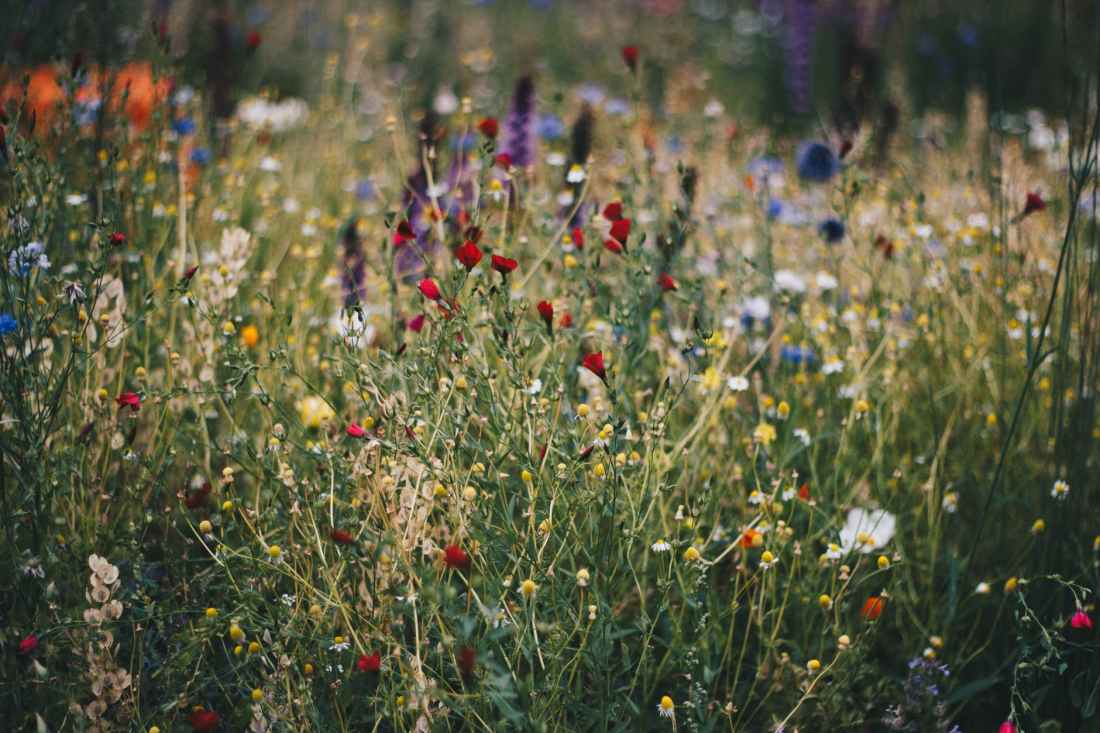
Spring or Fall: Which is Better?

As fall is approaching, I wanted to share an interesting anecdote provided by my book on the Manyoshu. It seems that throughout Japanese antiquity, poets frequently debated which is better: spring or fall.

The first example comes from Princess Nukata in the 7th century, whom we discussed here and here, she wrote a lengthy poem (a chōka poem, not the usual tanka poem) in the Manyoshu (poem 16). She discusses the pros and cons of spring and of fall:

Original Manyogana1JapaneseRomanizationRough Translation2
冬木成 春去來者 冬ごもり 春さり來れば Fuyu gomori haru sari kurebaWhen winter passes and spring comes
不喧有之 鳥毛来鳴奴鳴かざりし鳥も來鳴きぬNakazarishi tori mo nakinuBirds that didn’t sing before, now come and sing
不開有之 花毛佐家礼抒 山乎茂咲かざりし 花も咲けれど 山を茂みSakazarishi hana mo sakeredo yama wo shigemiFlowers that didn’t bloom before now bloom, but because the mountains grass is so thick
入而毛不取 草深 執手母不見入りても取らず 草深み 取り手も見ずIrite mo torazu kusabukami torite me mizuOne cannot go and pick flowers, let alone see them.
秋山乃 木葉乎見而者 秋山の 木の葉を見ては Aki yama no ko no ba wo mite waWhen you look at the leaves in the mountains during fall,
黄葉乎婆 取而曾思努布黄葉をば 取りてそしのふMomiji wo ba torite soshi no fucollecting the yellow leaves is especially prized.
青乎者 置而曾歎久青きをば 置きてそ歎くAoki wo ba okite so nagekuLeaving the green leaves as they are is regrettable.
曾許之恨之 秋山吾者そこし恨めし 秋山われはSokoshi urameshi akiyama ware waIn spite of that, autumn in the mountains is spectacular…
a – I am heavily indebted to this site for both the original text. Translation is based in part on that site, but also my Manyoshu book, but probably lots of mistakes. Translating a five-line poem in archaic Japanese is hard enough… 😅

Speaking of the Manyoshu, its compiler Otomo no Yakamochi (poem 6 of the Hyakunin Isshu, かさ) left us some very nice poetry about spring:

Original Manyogana1JapaneseRomanizationRough Translation2
春苑春の苑Haru no sonoBeneath
紅尓保布紅にほふKurenai ni hofuthe shining crimson
桃花桃の花Momo no hanaorchard of
下照道尓下照る道にShita deru michi nipeach blossoms
出立オ嬬出で立つ少女Idetatsu otomea young maiden lingers.
Poem 4139, book 19

and about fall:

Original Manyogana1JapaneseRomanizationRough Translation2
秋去者秋さらばAki sarabaWhen fall comes
見乍思跡見つつ思Mitsutsu shinoe tothink fondly of those
妹之殖之妹が植Imo ga ue shipink blossoms
屋前乃石竹やどのなでしこYado no nadeshikoof days gone by
開家流香聞咲きにけるかもSaki ni keru kamoand remember me.
Poem 464, book 3

Otomo no Yakamochi wrote both of these poems about his beloved wife, but the second was composed shortly after her parting. The word nadeshiko has special meaning in Japan and has a very feminine, demure3 meaning.

Returning to the debate between spring and fall, Ki no Tsurayuki (poem 35 of the Hyakunin Isshu, ひとは) took up the same topic centuries later. This is poem 509 from an imperial anthology, the Shuishu :

JapaneseRomanizationRough Translation2
春秋にHaru aki niSpring or Fall?
おもみたれてOmoi mitareteMy thoughts are a mess,
わきかねつWaki kanetsuand I cannot decide.
時につけつつToki ni tsuketsutsuThe more time passes,
うつるこころUtsuru kokoro wathe more my heart shifts back and forth.
1 This is a rough translation, all mistakes are my own.

The debate was even cited in the famous 12th century novel Tales of Genji written by Lady Murasaki (poem 57 of the Hyakunin Isshu, め):

春秋の争ひに、昔より秋に心寄する人は数まさりけるを、名立たる春の御前の花園に心寄せし人びと、また引きかへし移ろふけしき、世のありさまに似たり。

“Since antiquity, in the debate about spring versus fall, many people lean toward fall, and yet some very noteworthy people who view the Imperial gardens in spring may yet change their mind, as is the way of the world.”

Princess Nukata all the way back in the Manyoshu seemed to imply that autumn was preferable, and it seems that most of the aristocracy shared this view. In fact if we divide up the poems of the Hyakunin Isshu by season, there are more fall poems than spring:

Spring Poems, first verse listedFall Poems, first verse listed
Hana no iro (poem 9)
Kimi ga tame haru (poem 15)
Hito wa isa (poem 35)
Inishie no (poem 61)
Morotomo ni (poem 66)
Haru no yo no (poem 67)
Takasago no (poem 73)
Hana sasou (poem 96)
Aki no ta no (poem 1)
Ashibiki no (poem 3)
Okuyama ni (poem 5)
Waga io wa (poem 8)
Chihayaburu (poem 17)
Ima kon to (poem 21)
Fuku kara ni (poem 22)
Tsuki mireba (poem 23)
Kono tabi wa (poem 24)
Ogurayama (poem 26)
Kokoroate ni (poem 29)
Yamagawa ni (poem 32)
Shiratsuyu wo (poem 37)
Yaemugura (poem 47)
Arashi fuku (poem 69)
Sabishisa ni (poem 70)
Yū sareba (poem 71)
Akikaze ni (poem 79)
Yo no naka yo (poem 83)
Nageke tote (poem 86)
Murasame no (poem 87)
Kirigirisu (poem 91)
Miyoshino no (poem 94)
Note: summer only has 4 poems, winter has 9 (same as spring).

But what do you think? Are you Team Spring, or Team Fall?

Edit: added Hyakunin Isshu poetry chart.

1 If you’re wondering why I post Manyogana for some poems, but not others, it depends on the era. The Manyoshu is the oldest anthology by far, and at that time, there was a brief writing system that took Chinese characters, but used them in a phonetic way for Japanese language (a.k.a. Manyogana). By the time of Ki no Tsurayuki and Lady Murasaki, centuries later, this had been replaced with hiragana script. This blog strives to both be accurate and accessible, so I try to balance both needs.

2 These are all rough translations on my part, and likely have mistakes. Any such mistakes are entirely my own.

3 Not to be confused with the “very demure, very mindful” meme. 😛