Twin Peaks: Poem Number 13

The second poem in our series devoted to Valentine’s Day is this one:

JapaneseRomanizationTranslation
筑波嶺のTsukubane noLike the Mina River
みねより落つるMine yori otsuruthat falls from the peak
みなの川Minano-gawaof Mount Tsukuba
恋ぞつもりてKoi zo tsumoriteso my longing has collected
淵となりぬるFuchi to naru nuruand turned into deep pools.
Translation by Dr Joshua Mostow

The poem was composed by Yōzei-in (陽成院, 868 – 949), known in English as Emperor Yōzei. Yozei was the firstborn son of Emperor Seiwa, and Empress Takaiko. Takaiko, is thought to have briefly eloped with Ariwara no Narihira, who wrote poem 17 (ちは) in the Hyakunin Isshu, as eluded to in episode six of the Ise Stories.

According to commentaries, the poem was intended for “the princess of Tsuridono” who was the daughter of Emperor Kōkō’s (poem 15, きみがためは).

Nevertheless, the analogy of Mount Tsukuba (modern-day Ibaraki Prefecture), pictured above, was an excellent choice. The mountain is famous in Japanese culture, especially for the two peaks: one called nantai (男体, “Man”) on the western side, and nyotai (女体, “Woman”) on the eastern side. It was a frequent topic used in love poetry back in the day. Even today, it is a very popular destination for tourists and nature lovers. This style of simple love poetry is something you’re likely to also see in older anthologies such as the Manyoshu or the Kojiki.

Sadly, Emperor Yozei is better known for his severe mental instability in later year. Anecdotes from the time relate how Yozei would commit odd or violent behavior, such as riding around the palace with his 30 horses, swinging around the legendary sword, Kusanagi, one of the Three Sacred Treasures of the Imperial Household, beating his wet nurse to death, and killing small animals for amusement. His behavior became increasingly erratic, and so he abdicated in favor of the aforementioned Emperor Koko in the year 884, at the age of 17.

….. or is that what really happened? My new book implies that there is a theory that the story of his insanity was made up by Koko’s faction, or possibly exaggerated as justification for a power-play. The fact that Yozei continued to live peacefully until the age of 82, composing poetry like the one above lends to the possibility that he was not as ill-health as first thought.

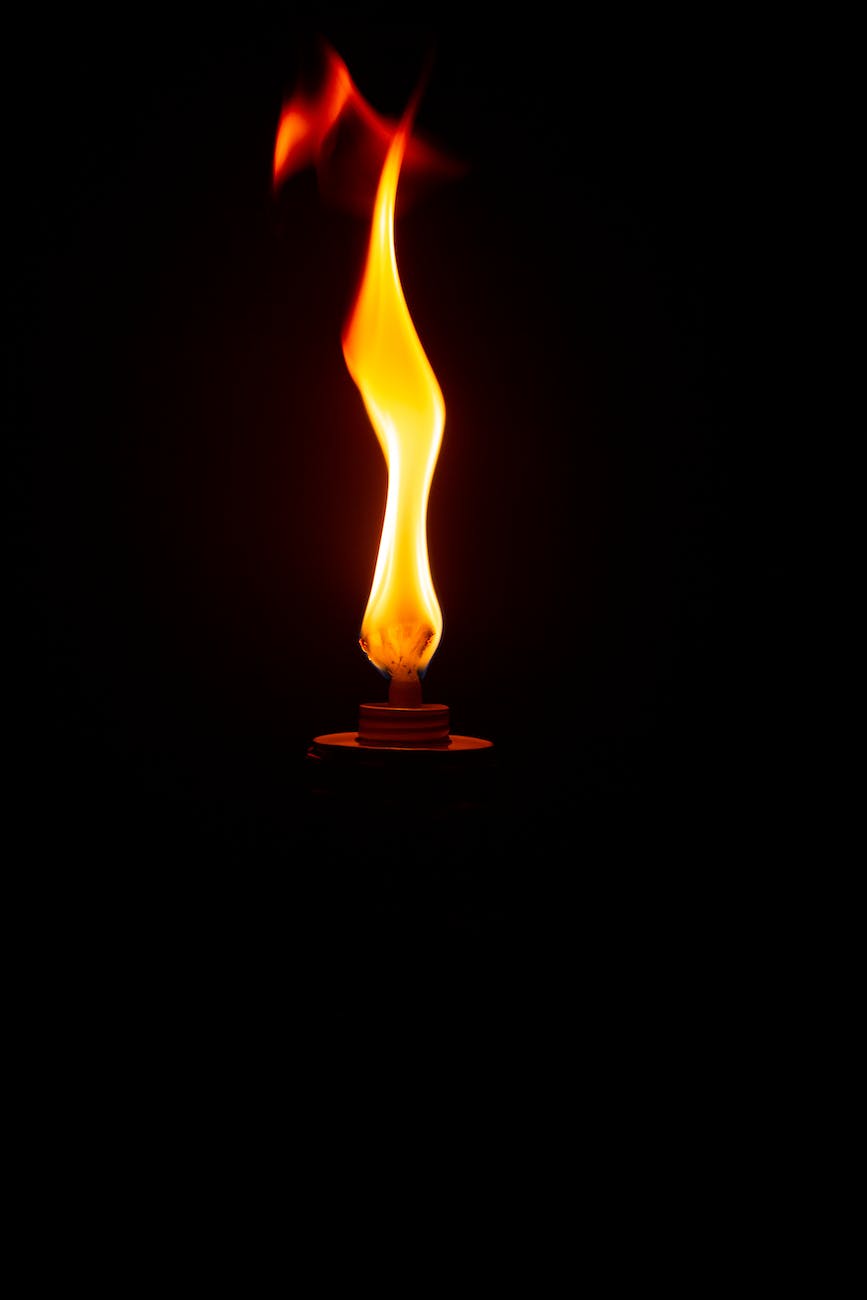
Love Burns Like A Torch: Poem Number 49

The first of a series of poems dedicated to Valentine’s Day:

JapaneseRomanizationTranslation
みかき守MikakimoriLike the fire the guardsman kindles,
じのたく火のEji no taku hi noguarding the imperial gates:
夜はもえYoru wa moeat night, burning,
昼は消えつつHiru wa kie tsutsuin the day, exhausted,
物をこそ思Mono wo koso moeover and over, so I long for her.
Translation by Dr Joshua Mostow

The author, Ōnakatomi no Yoshinobu Ason (大中臣能宣朝臣, 921 – 991), was the grandfather of Ise no Tayū (poem 61) and a prolific poet in his time, and one of the Thirty-Six Immortals of Poetry. According to Mostow, was also one of the “Five Gentlemen of the Pear Chamber” (nashi tsubo no gonin 梨壺の五人), with the Pear Chamber referring to a special room within the Court ladies’ residence of the Imperial Palace, which in turn was named after a special pear tree within the Palace gardens in the Ladies’ Quarter. This implied a very high honor indeed for Yoshinobu who was a member of the Inner Court.

Interestingly, Mostow suggests that the poem was in fact not written by Yoshinobu, owing to the fact that it does not appear in Yoshinobu’s personal collection and is listed as “anonymous” in other collections.

A Lover’s Cruelty: Poem Number 82

A poem I stumbled upon today:

JapaneseRomanizationTranslation
わびOmoi wabiMiserable,
さても命はSatemo inochi wanonetheless, somehow
あるものをAru mono woI cling to life, but
うきにたぬはUki ni taenu wait is my tears
なみだなりけりNamida nari kerithat cannot endure the pain!
Translation by Dr Joshua Mostow

The author of the poem, Dōin Hōshi (道因法師, 1090 – 1179?), or “Dharma Master Dōin”. He lived as Fujiwara no Atsuyori, and served under Emperor Sutoku (poem 77), but wasn’t particularly successful. Later in life, he took tonsure in 1172 and became a Buddhist priest. It’s not clear if this poem was written before or after he took up the religious life.

According to Mostow, it’s not clear if the poem is a real expression of pain or part of poetry contest. Unfortunately, none of the poetry collections of Dōin survive, though he frequented poetry contests since 1160. He became a member of a famous poetry group called the Karin-en (歌林苑), though, and spent much time around other influential poets of the day.

P.S. Featured photo is Il Triste Messaggio (“The Sad Message”), by Peter Fendi, Public domain, via Wikimedia Commons

Winter Isolation: Poem Number 28

Winter’s always a quiet, lonely time (just ask Sei Shonagon):

JapaneseRomanizationTranslation
山里はYamazato waIn the mountain village,
冬ぞさびしさFuyu zo sabishisait is in winter that my loneliness
まさりけるMasari-keruincreases most,
人めも草もHitome mo kusa mowhen I think how both have dried up,
かれぬと思Karenu to omoebathe grasses and people’s visits.
Translation by Dr Joshua Mostow

According to Mostow, this poem was composed in answer to the question of whether Fall or Winter was the lonelier season. Obviously the author, Minamoto no Muneyuki Ason (源宗于朝臣, ? – 939), “Sir Minamoto no Muneyuki”, favored winter. Minamoto no Muneyuki was the grandson of Emperor Kōkō (poem 15) and had a large portfolio of poems published in official anthologies, and earned himself a place among the Thirty Six Immortals of Poetry as well.

To me at least, the poem reminds me also of nobleman from the Heian Court who were required to do at least one tour of duty in remote provinces as a provincial governor for 4 years. The more remote the province, the more menial and degrading the task. Very well-to-do men could usually get themselves out of this obligation but most middle and lower ranking officials could not. Being cut off from the Heian Court was often a lonely affair as evinced in the writings of men like Sugawara no Michizane and others so imagine the author was also conveying this familiar sense of the time of loneliness officials stuck in a remote mountain village away from the Court in winter and from friends.

Broken Promises: Poem Number 42

This poem is a reminder that oaths taken under passionate embrace are not always kept later:

JapaneseRomanizationTranslation
ちぎりきなChigiriki naBut we promised!
かたみに袖をKatami no sodé woWhile wringing out tears from
しぼりつつShibori tsutsuEach other’s sleeves,
すえの松山Sué no MatsuyamaThat never would the waves
wash over
波こさじとはNami kosaji to waSue-no-Matsu Mountain.
Translation by Dr Joshua Mostow

As Mostow notes the author, Kiyohara no Motosuke (清原元輔, 908 – 990) was the grandson of Kiyohara no Fukayabu of poem 36 and also the father of Sei Shōnagon who authored the Pillow Book and poem 62. Motosuke is also one of the Thirty-six Immortals of Poetry.

Sue-no-matsu is an actual mountain in Japan in Miyagi Prefecture, called sue no matsuyama (末の松山). This same mountain is said to have been visited by the Haiku poet, Basho, in a later age. The term matsuyama here (松山) refers to pine-clad mountains, so the idea is that the mountain will never wash under the waves, and thus the lovers’ feelings for each other would never die.

The poem’s intent here, as stated by the author himself in writing, was not to express Motosuke’s feelings, but rather for a friend whose lover’s feelings seemed to have grown cold. We see another example of a poet writing on behalf of another in poem 59. Still it serves as a sobering reminder that passion might be wonderful at the time, but is fickle too.

P.S. Speaking of pines, poem 16 and poem 34.

The Moon in the Hyakunin Isshu

The Moon is not surprisingly one of the most powerful images in the Hyakunin Isshu anthology, but the myriad ways it is used as imagery shows a remarkable variety and depth. There are 43 poems in the Hyakunin Isshu that cover topics of love and romance, but only 12 that pertain to the Moon.

However, within those twelve poems, and in Japanese waka poetry as a whole, the moon itself is a very popular subject and expressed in many ways. As one book on the subject points out, the Moon expresses different themes depending on the situation:

Print #98 from the One Hundred Aspects of the Moon by Yoshitoshi. This picture features Semimaru from the Hyakunin Isshu (poem 10, これ)
  • Being separated from home (poem 7)
  • Waiting for one’s lover (poem 21)
  • Melancholy (poem 23)
  • Parting one’s lover (poem 30) in the morning
  • The cool moon in Summer (poem 36)
  • The moon on a clear, beautiful Autumn night. (poem 79)
  • Two people passing in the night (poem 57)
  • Loneliness of a heart-broken women (poem 59)
  • The effervescence of life (poem 68)
  • Autumn vibes (poem 79)
  • Early dawn moon and the cuckoo’s call (poem 81)
  • Human grief (poem 86)

This is only for the Hyakunin Isshu of course. For larger anthologies like the Kokinshū and the vast corpus of Chinese poetry, the Moon is a persistent symbol of so many aspects of human emotion.

But also in Japanese language, many poetic terms for the moon and its phases have arisen over time:

  • ariake (有明) – moon visible during sunrise, appears in the latter half of the lunar cycle
  • misokazuki (晦日月) – the night before the new moon, the moon is a barely visible crescent.
  • shingetsu (新月) – new moon
  • tsugomori (つごもり) – last day of the moon (i.e. new moon)
  • mikazuki (三日月) – waxing crescent moon (lit. “third-day moon”)
  • nanokazuki (七日月) – seventh-day moon, waxing crescent
  • yōkazuki (八日月) – first quarter waxing moon
  • mangetsu (満月) – full moon
  • mochizuki (望月) – full moon, 15th day of the old lunar calendar.
  • izayoizuki (十六夜月) – moon on the 16th day, just after full moon.
  • tachimachizuki (立待月) – moon on the 16th day of the cycle.
  • fukemachizuki (更待月), also called hatsukazuki (二十日月) – the three-quarters waning moon. The implication of the first word is that the moon rises late in the evening.
  • fushimachizuki (臥待月) – waning half-moon
  • nemachizuki (寝待月) – another term for waning half-moon

A lot of these terms are pretty obscure (some I couldn’t find in a common dictionary), while a few like mangetsu and mikazuki are used in standard Japanese.

Feeling Like Late Fall: Poem Number 29

November marks the last throes of Fall, and so with the recent cold here in the Pacific Northwest, I thought this poem seemed really fitting:

JapaneseRomanizationTranslation
心あてにKokoroate niMust it be by chance,
らばやOrabaya oranif I am to pluck one,
that I pluck it? —
初霜のHatsushimo nowhite chrysanthemums
おきまどせるOki madowaseruon which the first frost
白菊の花Shiragiku no hanalies bewilderingly.
Translation by Dr Joshua Mostow

According to my new book, Ōshikōchi no Mitsuné (凡河内躬恒, dates unknown) was a middling bureaucrat in the Imperial Court, serving in provinces such as Tanba, Izumi, and Awaji, but never reaching beyond the sixth rank in the Court hierarchy. Nobility usually were fifth rank or higher by default so he hit the “glass ceiling” so to speak.

On the other hand, Mitsune was very prodigious poet and his works appear in many later anthologies in Japanese history, and is also one of the compilers of the famous Kokinshū anthology, a prestigious honor. Not surprisingly he is among the Thirty-Six Immortals of Poetry too.

Professor Mostow notes that this poem is subject to many different interpretations ranging from simple word-repetition, to rhetorical questions or the speaker’s mental debate.

In any case, the imagery of white frost on white chrysanthemum’s, and how it’s hard to distinguish one from the other, is in large part why this poem is so highly prized in antiquity, and made it into the Hyakunin Isshu anthology. However, the 19th century poet Masaoka Shiki criticized the imagery as unrealistic. But my new book points out that that probably wasn’t the point. Mitsuné was trying to be surreal in his imagery and that the poem executes this brilliantly.

But you decide: is the imagery of first frost on a white chrysanthemum too much? Or is it brilliant imagery?

P.S. Since antiquity, September 9th has been the Day of the Chrysanthemum in Japan, mirroring a similar festival in China.

Come See the Fall Leaves: Poem Number 26

Now that fall is full swing this poem seemed fitting:

JapaneseRomanizationTranslation
倉山OgurayamaO autumn leaves
みねのもみMine no mojijibaon the peak of Ogura Hill,
心あらばKokoro arabaif you have a heart,
今ひとたびのIma hitotabi noI would that you would wait
みゆき待たなMiyuki matananfor one more royal progress.
Translation by Dr Joshua Mostow

The author of this poem is Teishinkō (貞信公, 880-949), also known as Fujiwara no Tadahira, a scion of the increasingly powerful Fujiwara clan. The name “Teishinkō” is his posthumous name. The Fujiwara clan’s descendants grew increasingly powerful and ultimately monopolized the government during the Heian Period through intermarriage with the Imperial Family. By this point, you also may have noticed the increasing number of poets in the Hyakunin Isshu with the surname Fujiwara, gradually crowding out other noble families within the Imperial Court.

As Mostow notes, this poem seems to describe an excursion to the Ōi River by retired emperor (上皇, jōkō), Emperor Uda, who comments that his son the reigning emperor (天皇, tennō), Emperor Daigo, should visit too. Hence the author is beseeching the fall leaves to wait for Daigo’s arrival. This visit seems to have led to a seasonal tradition of visiting the Ōi River yearly by the Imperial Family. Further, compare this poem to a similar fall (poem 24), when Uda was still the reigning emperor.

Also, it should be noted that Ogura Mountain is none other than the place where the Hyakunin Isshu itself was compiled.

Side note: there are in fact two Oi Rivers in Japan, one near Kyoto the old capitol, and another in modern Shizuoka Prefecture. Due to location of the Imperial Court, the Emperor and his retinue almost certain visited the near Kyoto. It is, as the photo above helps illustrate, a very scenic and venerable of Japan. It is also mentioned in the Pillow Book by Sei Shonagon (poem 62) in note 59 under “Rivers”.

One other note: the term miyuki in the poem refers to an imperial outing. Such an outing was, naturally, an important occasion and so it has its own term in Japanese. According to the Hyakunin Isshu Daijiten, the “kanji” Chinese characters for miyuki differ if a retired emperor has an outing (御幸), or the current reigning emperor has an outing (行幸).

P.S. Featured photo is the Togetsukyo Bridge near the Ōi River which passes through the Arashiyama district of Kyoto. Photo taken by me in August of 2024.

Hyakunin Isshu crackers!

Edit: the pictures in his post are now lost unfortunately. There is a more up to date post here though if you would still like to read.

My wife often gets sembei crackers from her family in Japan in the mail, and especially a package of these crackers in particular:

Hyakunin Isshu: the crackers!

These are Hyakunin Isshu themed crackers! In each container is 6 different sembei crackers: salty, sweet, sesame flavored, seaweed-wrapped, shrimp flavored and one with nuts. They’re all quite good.

But the clever part is what’s under the crackers:

Hyakunin Isshu crackers 2

Each package contains a different poem from the Hyakunin Isshu! The one on the left is poem 36, written in cursive, poetic script, while the one on the right is poem 26, also in cursive style.

A very nice snack, I think. 🙂 You can check out the company’s website too if you would like to learn more.

Poetry as Wordplay: Poem Number 22

The twenty-second poem in the Hyakunin Isshu is a brilliant example of word-play:

JapaneseRomanizationTranslation
ふくからにFuku kara niAs soon as it blows,
秋の草木のAki no kusaki nothe autumn trees and grasses
るればShiorurebadroop, and this must be why,
むべ山風をMube yama kaze oquite rightly, the
mountain wind
あらしといArashi to iuranis called “the ravager.”
Translation by Dr Joshua Mostow

This poem was composed by Fun’ya no Yasuhidé (文屋康秀, ? – 879?), but according to Mostow, it is known that he lived around the time Narihira (poem 17) and Sosei (poem 21). He is also one of the Six Immortals of Poetry. My new book points out that he was upper-sixth rank in the Imperial bureaucracy, a middling rank, so he was a somewhat minor official. And yet as a poet, he achieved great fame.

Yasuhide was also known for carrying on a tryst with Ono no Komachi (poem 9) and invited her to come away with on a retreat to Mikawa Province. She reportedly accepted the offer but other details of the story are unclear.

In any case, from the English translation, it’s hard to see what is so remarkable about this poem, until you look at the last two lines.

The fourth line talks about mountains and wind , but the fifth line mentions the word arashi (あらし) which means “storm” and whose kanji (chinese character) is composed of both mountain and wind . It makes even more sense when you see it on karuta card (yomifuda) for this poem:

Circled in blue is the word arashi (あらし) using hiragana script, but in red are the Chinese characters for mountain and wind. When looked at closely, they also look like the Chinese character for arashi (嵐).

According to the Hyakunin Isshu Daijiten, this poetic method, called moji-asobi (文字遊び) is not limited to this poem, or even Japanese poetry. It appears to be a poetic method employed originally in China, and adopted by early Japanese poets. For example, in the first Imperial anthology, the Kokin Wakashu, you can find this poem by Ki no Tomonori (poem 33 in the Hyakunin Isshu):

JapaneseRomanizationTranslation
雪降ればYuki furebaBecause the snow fell
木毎に花ぞKigoto ni hana zoWhite “blossoms”, one by one,
吹きにけるFukinikeruSprout on the tree.
いづれを梅とIzure wo ume toHow am I to tell the blossoms from the snow
わきて折らましWakite oramashiWithout snapping them off?
Rough translation by me, based on Hyakunin Isshu Daijiten

Here, the word for plums (as well as plum blossoms), umé 梅, is made up of the Chinese characters 木 and 毎 which happen to appear on the second line of the poem.

Pretty clever, really.

In any case, the Hyakunin Isshu Daijiten and Professor Mostow both point out that the word arashi also has a double-meaning. The basic meaning is “storm”, but it is also the noun-form of the verb arasu meaning to ravage, hence the translation above: arashi (荒らし).

Amazing what people could do with a few lines of verse and some Chinese characters. It’s no surprise that the author, Fun’ya no Yasuhide, was counted among the original Six Immortals of Poetry and later the Thirty-Six Immortals.

P.S. Kind of been a while, good to be back. 🙂

P.P.S. Featured photo is a different “Arashi“, photo by Japanese Station, CC BY 3.0, via Wikimedia Commons