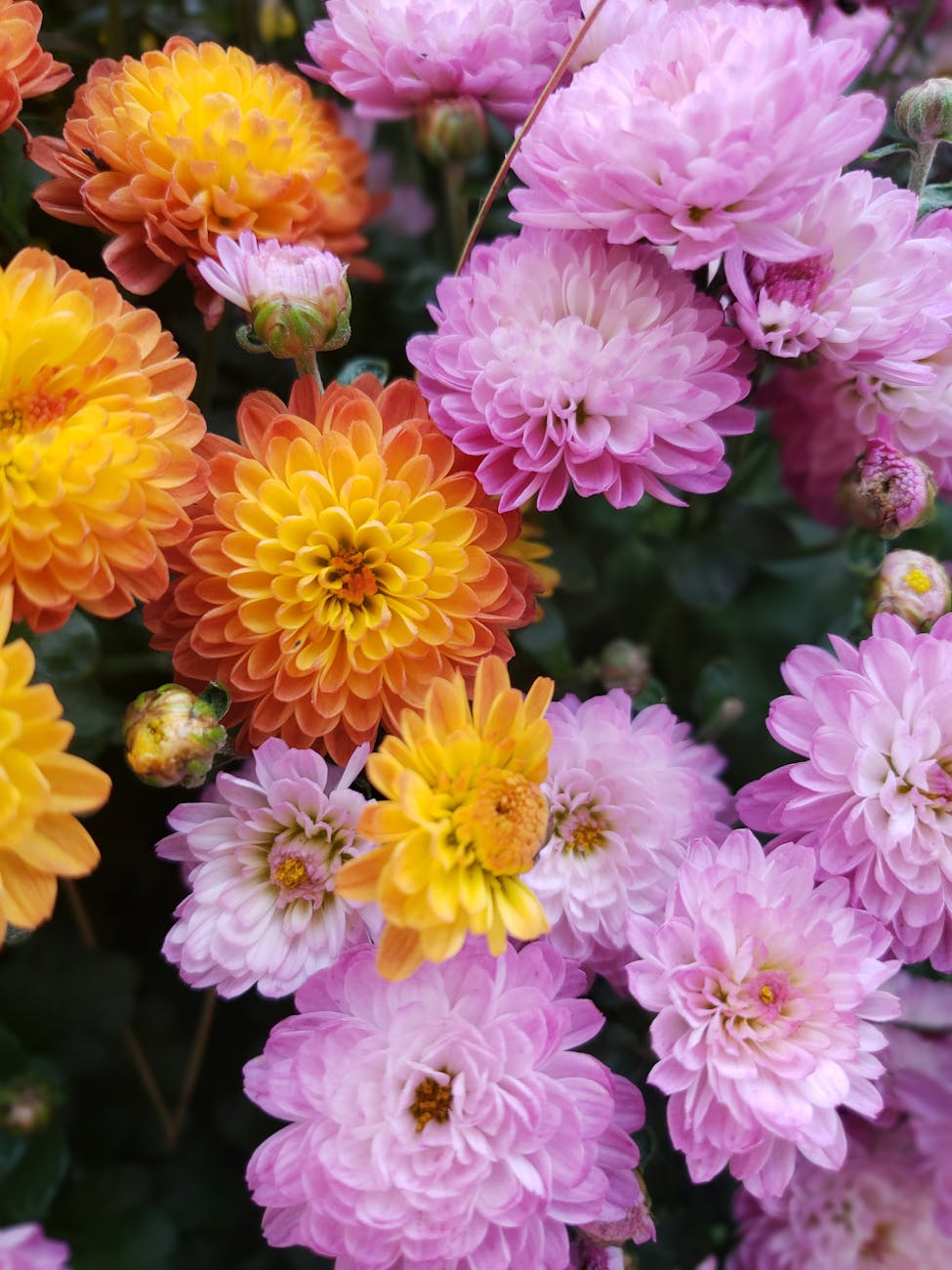
Chrysanthemums and the Ise Stories

In the traditional Japanese calendar, there are five seasonal holidays (sekku, 節句) throughout the year, and the fifth one is a holiday called the Day of the Chrysanthemum. We’ve talked about it briefly here, but today I wanted to share another poem, this time from the Ise Stories.

Original JapaneseRomanizationTranslation
植ゑえし植ゑえば
秋なき時や
咲かざらむん
花こそ散らめ
根さへえ枯れめや
Ueshi ueba
Aki naki toki ya
Sakazaran
Hana koso chirame
Ne sae kareme ya
I planted them right, and I doubt that they will bloom unless in autumn; but although the blossoms fall, at root they will never die.
Translation by Joshua Mostow and Royall Tyler.

The poem is attributed to our protagonist, who is none other than Narihira no Ariwara (poem 17 of the Hyakunin Isshu, ちは), who sent this attached to a chrysanthemum branch to Empress Nijō (a.k.a. Takaiko), which whom he may have had some romantic relationship with.

The chrysanthemum was since ancient times associated with longevity, hence the above festival, and so it is thought that Narihira was making a commentary about his own life. Thus, the poem may have been a simple greeting (“oh, life goes on, I am well”). Nonetheless, it is a cute anecdote between Narihira and Empress Nijo.

Happy Day of the Chrysanthemum to all!
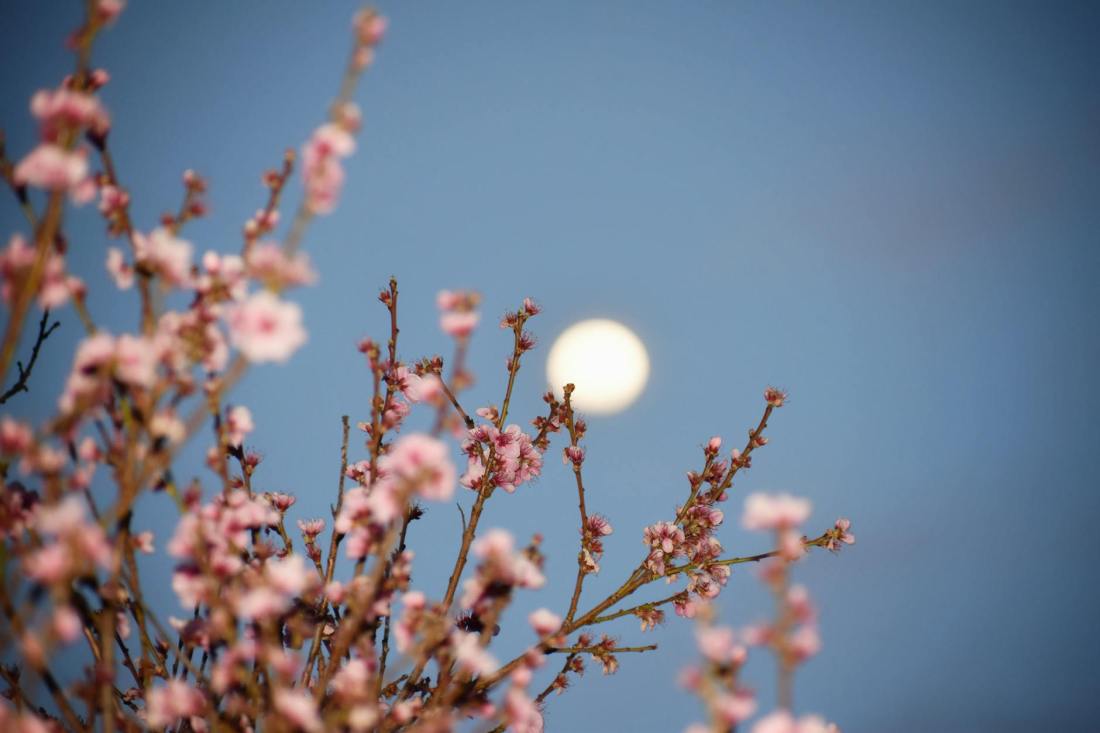
A Love of Blossoms, an Ise Story

Poet Ariwara no Narihira, who wrote poem 17 (ちは) in the Hyakunin Isshu, and quite possibly the best poem on cherry blossoms ever, is also the model for the protagonist of the Ise Stories. In it, he delivers yet another banger of a cherry blossom poem. This is episode 29 of the Ise Stories:

Back then, when called to attend the cherry-blossom jubilee held at the reside of the Heir Apparent‘s mother [he recited the following]:

Original JapaneseRomanizationTranslation
花にあかぬHana ni akanuI had always known
嘆きはいつもNageki wa itsumowhat sadness it means to love
せしかどもSeshikadomoblossoms such as these,
今日の今宵にKyo no koyoi nibut the evening of this day,
似る時はなしNiru toki wa nashiresembles no other time.
Translation by Joshua Mostow and Royall Tyler.

This is a really good cherry blossom poem, but Professors Mostow and Tyler explain that there is more to the story too. The heir apparent, later the ill-fated Emperor Yozei (poem 13, つく) in the Hyakunin Isshu, had a mother named Fujiwara no Takaiko. And within the Ise Stories, episode 6, there is a famous anecdote where:

Back then there was this man. Year after year he courted a lady he was unlikely ever to win, until at last he managed to abduct her under cover of darkness.

Translation by Mostow and Tyler

Later, the pair take cover in a storehouse during a bad rainstorm, but while he stood guard outside, a demon came and swallowed her, losing her forever. The episode then explains that the demon was in fact Takaiko’s brothers who brought her back to the capitol. Thus, it’s strongly implied in the story that Narihira and Takaiko briefly eloped before she was found by her family and brought home.

The poem above was composed after Takaiko was already wed to Emperor Seiwa and had given birth to a son, Yozei. It’s not hard to imagine that Narihira maybe still had feelings for Takaiko, though modern scholarship seems to reject this, and suggest it is simply polite felicitations.

Was this a hidden love poem, or a really colorful description of cherry blossoms? Who knows?